|
|
A Message from the Assistant Director for NSF’s STEM Education Directorate (EDU)
Warmest greetings! On behalf of EDU, I write to wish you a happy holiday season and to share many of EDU’s signature accomplishments and successes of 2024. From the very beginning of the year to nearly the end of the year, EDU has run a marathon at a sprinter’s pace making critical investments to advance research and capacity building, educational access and opportunity, and workforce development in STEM.
As noted in the recently published Federal Strategic Plan for Advancing STEM Education and Cultivating STEM Talent, we live in “a crucial time for ensuring all Americans have access to the knowledge, skills, training, and opportunities necessary to thrive in the changing world.” At NSF, we know that talent exists in every pocket of the country. And to better understand the strengths and specific needs of each area of the country – urban, suburban, and rural – we know that meeting people where they are can have a great impact.
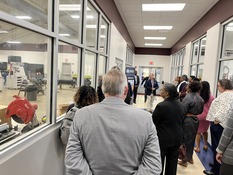
Last month, my EDU colleagues and I, as well as some of our collaborators at the U.S. Department of Education, traveled to the Delta region of Louisiana, Mississippi, and Arkansas to engage different communities, universities/colleges, schools, and organizations to promote EDU investment priorities.
|
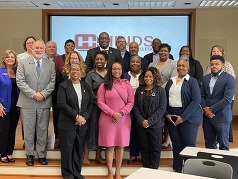
Our EDU team had the pleasure of meeting directly with communities across this region. We interacted and engaged with students of all ages, teachers at all levels, community members, STEM researchers, and industry leaders.
Further, we were able to observe the myriad ways in which these individuals, organizations, and institutions are making STEM excellence a priority within their states. And, as we shared information about the Agency and its programs, we learned firsthand the different challenges confronting individuals, schools, universities/colleges, or organizations in each state.
Being in the Delta region was not only important for EDU staff, but also to the EDU Advisory Committee (AC), which hosted its fall session at Louisiana Tech University. This meeting provided an opportunity for the AC members to engage directly with the local research and education community and to understand the needs of rural and remote communities in the Delta region.
|
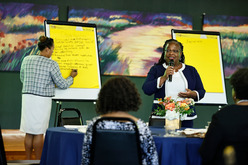
And by hearing from experts on the ground – those doing the work in these settings – AC members became more aware that rural districts have unique characteristics, culture, and represent the entire spectrum of the Nation’s population. So, advancing STEM education means ensuring a diverse set of approaches in addressing the grand challenges in each of these states.
Through this outreach and engagement effort, EDU gained greater perspective of ways the Agency can plug in and facilitate collaborations to complement the existing STEM networks across each state, as well as ways to create new opportunities to support STEM education, education research, and workforce development in the region and around the Nation.
|

EDU is truly grateful for the enriching experiences in the Delta, and it is looking forward to accelerating its outreach and engagement efforts in other rural and remote communities around the country.
As we approach the upcoming year, EDU is laser-focused on collaborating with a range of organizations to enable its noble vision and mission.
In closing, I encourage you to read this newsletter to learn more about EDU successes and achievements across the country. And, as always, thank you for all you do to help grow and advance the STEM ecosystem.
Keep making STEM excellence a priority!
|
 James L. Moore III
|
|

David Baker (left) received the 2024 Nobel Prize in Chemistry, and John Hopfield (right) received the 2024 Nobel Prize in Physics. Both recipients are former NSF Graduate Research Fellows.
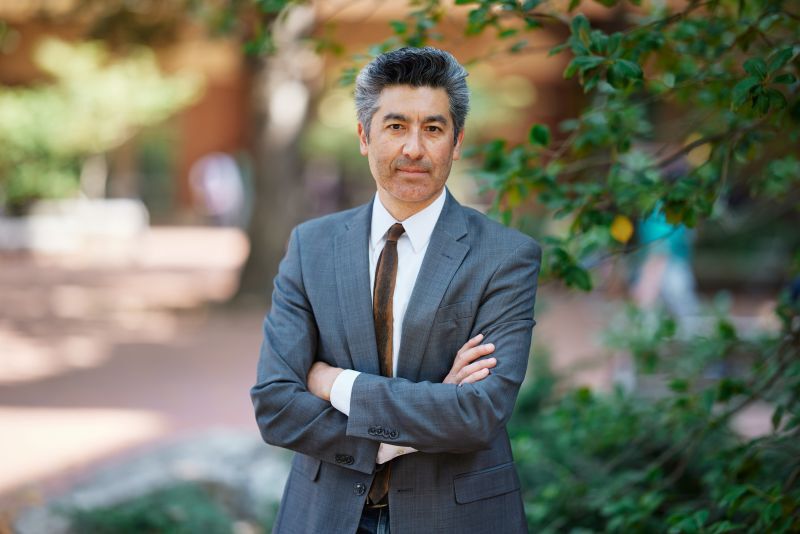
Learn about Stassun's dedication to expanding opportunities in STEM by spearheading two major initiatives that challenge the limitations of traditional educational and career pathways to improve demographic representation in STEM.
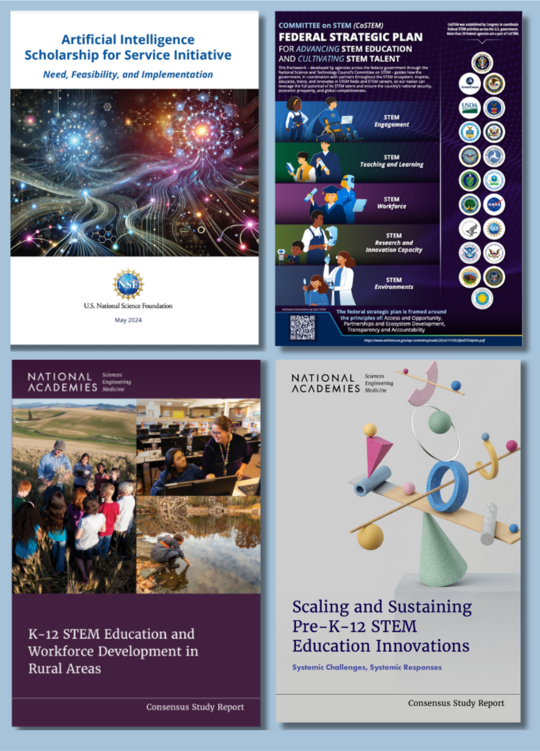
New reports available now!

The popular Spanish-language telenovela reaches millions of U.S. viewers, models positive informal science interactions between caregivers and their children, and provides positive role models of scientists.
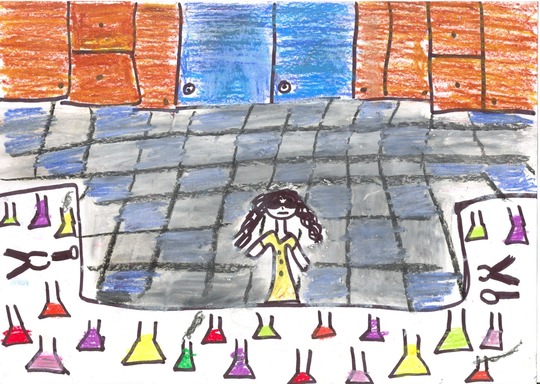
New EDU-funded research in Psychological Bulletin suggests that as early as age 6, children already believe that boys are better than girls in computer science and engineering. Learn more about how these perceptions can affect the development of a child’s STEM identity, and access resources to help caregivers engage children at home.
The NSF directorates for Technology, Innovation and Partnerships and STEM Education, together with the Micron Foundation, announced an updated funding opportunity that will open doors in emerging tech fields.
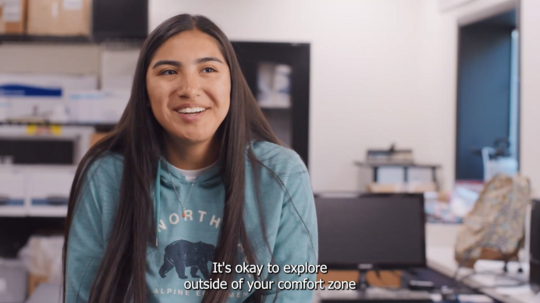
Learn how NSF Tribal Enterprise Advancement (NSF TEA) Centers are strengthening the abilities of tribes and their communities to restore and protect their lands and heritage.
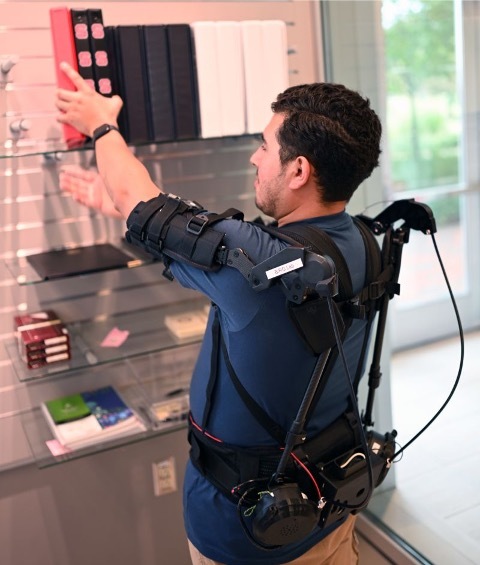
For decades, NSF has invested in research to support and aid people with disabilities. Learn about some of the major achievements made possible by EDU-supported researchers and their teams.
EDU funding supports projects that foster collaboration across academic institutions and Indigenous communities, creating pathways that encourage Indigenous voices to contribute to STEM graduate education.
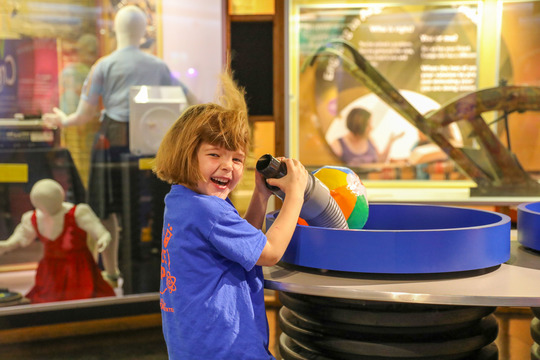
For decades, EDU has made the excitement of scientific discovery available to everyone by investing in children's TV programming, movies, exhibits, apps, and much more.

Listen to Virginia Public Radio's story on how Miss Frizzle and the "Magic School Bus" inspired young children to become today's scientists.

NSF-driven projects that use origami-inspired research are revolutionizing STEM fields like STEM education, developing new technologies, and addressing real-world problems in science and engineering.
As the center prepares for its opening in 2025, a pilot phase is engaging local groups of students and educators.
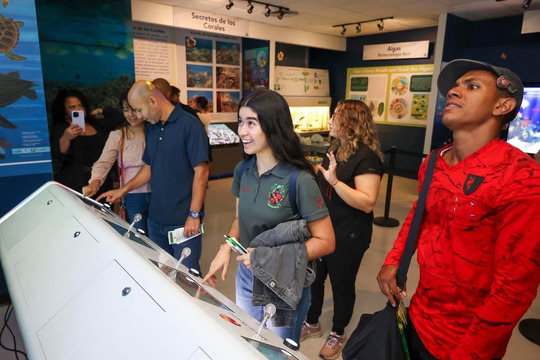
EDU funding is changing the educational landscape for Hispanic students by providing new, state-of-the-art equipment to eight different HSIs.

Together with the Micron Foundation, EDU is working to train K-12 teachers in high-need schools to be better equipped to meet the needs of learners as they engage with concepts key to careers in microelectronics.
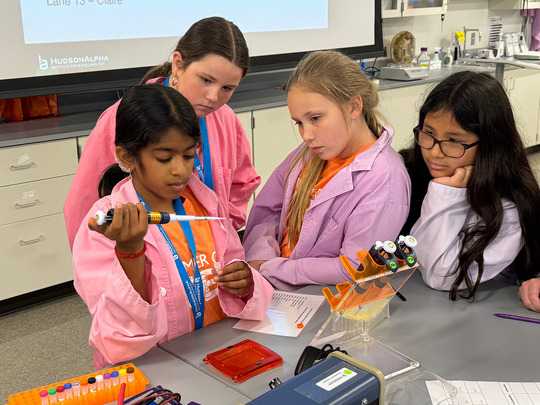
The new Center for Advancing Elementary Science through Assessment, Research, and Technology will address the nationwide availability of high-quality science instruction and assessment for elementary school students.
|
|
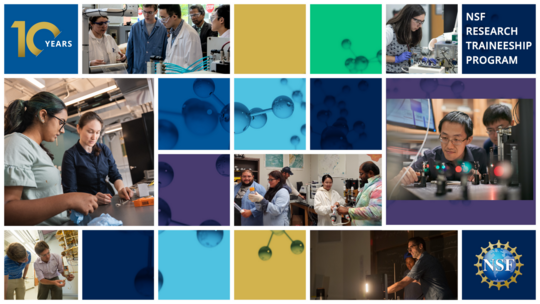
NRT is preparing the next generation of STEM leaders by transforming STEM graduate education to drive the discoveries of tomorrow. Visit the NRT webpage to learn more about NRT's decade of investments.
And tune in TODAY, December 17, 2024, at 11 a.m. (ET) for the NRT anniversary lecture series. This lecture will feature Dr. Sayantani Ghosh of the University California, Merced. Dr. Ghosh will share lessons learned from her NRT project Convergence Of Nano-engineered Devices for Environmental and Sustainable Applications (CONDESA).
|
|
EDU Divisions
Division of Graduate Education (DGE)
DGE provides funding to support graduate students and the development of novel, innovative programs to prepare tomorrow's leaders in STEM fields.
Equity for Excellence in STEM (EES)
EES promotes activities that strengthen STEM education for underserved communities, broaden their participation in the workforce, and increase knowledge about promoting inclusion. (EES was formerly the Division of Human Resource Development.)
|
Division of Undergraduate Education (DUE)
DUE focuses on strengthening STEM education at two- and four-year institutions by improving curricula, instruction, laboratories, infrastructure, assessment, diversity of students and faculty, and collaborations.
|
|
|
|
|