|
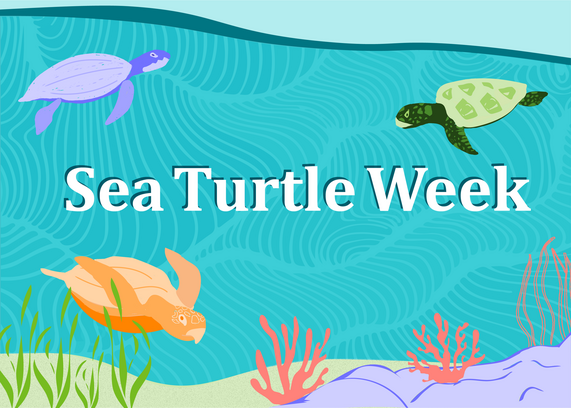
NOAA’s Sea Turtle Week was June 15–19, 2026. Sea turtles are a key part of marine ecosystems worldwide but face many threats. Take a dive into our features and videos to learn more about these amazing marine reptiles.
Six sea turtle species are found in U.S. waters, and all are threatened or endangered. Read about NOAA’s work to conserve and recover sea turtles in this message from Kim Damon-Randall, Director of NOAA Fisheries' Office of Protected Resources.
|
NOAA’s Gear Monitoring Team conducts educational training and compliance checks to help the shrimp fishery maintain catch levels while allowing sea turtles and other large marine animals to escape.
|
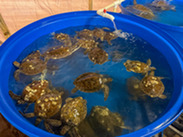
More than 600 sea turtles were cold stunned in St. Joseph Bay when Arctic air hit Florida in February 2026. NOAA Fisheries worked with several partners to rescue the turtles and bring them to rehabilitation facilities to be nursed back to health.
|
|
|
National
Join us in celebrating 50 years of the Magnuson-Stevens Fishery Conservation and Management Act, the landmark law that set the United States on a course toward sustainably and cooperatively managed marine resources.
|
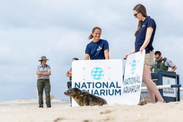
The Prescott Marine Mammal Rescue Assistance Grants will provide funding to 41 recipients in 19 states and two tribes for fiscal year 2025. This competitive funding improves marine mammal stranding response and investigation capabilities nationwide.
|
|
|
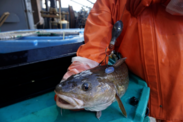
How do Pacific cod respond to warming seas, and what does it mean for the future of fisheries? Satellite tagging helps scientists track cod migration in Alaska and understand the implications for stock assessments and sustainable management.
|
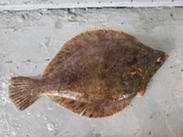
Curious about Alaska research surveys? Dive into our photo gallery showcasing snapshots captured by field scientists during their 2026 research expeditions.
|
|
|
New England/Mid-Atlantic
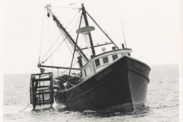
In the Mid-Atlantic region, managers, scientists, and fishermen have spent decades adapting to changing conditions while working together to keep fishermen on the water.
|
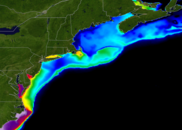
New ocean forecast models provide fisheries managers with predictions of ocean conditions for more proactive, informed decision making.
|
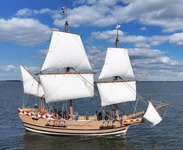
Vessels 65 feet and above are required to travel at 10 knots or less while inside the Great South Channel Seasonal Management Area (April 1–July 31).
|
|
|
Pacific Islands
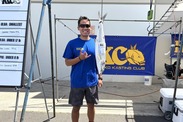
Fishing tournaments in Hawai‘i range from kids on the shoreline fishing with bamboo handpoles for reef fish to adults on 45-foot charter boats chasing blue marlin—and everything in between. Fishermen, dedicated community organizers, and next-generation champions share their stories and winning tips from these special events.
|
|
|
Southeast
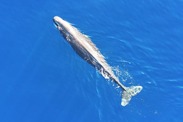
NOAA scientists deployed a towed hydrophone array—an underwater microphone system—on a survey to find and study sperm whales in the Gulf of America. In this feature, listen to sperm whale calls and learn what these sounds tell us about their population demographics.
|
|
|
West Coast
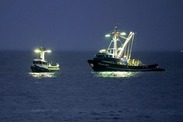
Dual influences may shift fisheries and could signal hard times for salmon. Learn about some of the ways warming water can impact marine life, coastal communities, and economies.
|
|
|
Upcoming Deadlines
June 29: Applications due for the Pacific Coastal Salmon Recovery Fund
July 6: Comments due for Initiation of Status Review of the Rice’s whale and Request for Information
July 12: Feedback due for the Gulf Fishery Management Council’s request for information about king mackerel
View more news and announcements
|
|
Upcoming Events
June 29–30: Peer Review: 2026 June Management Track Assessments for Atlantic herring and Georges Bank haddock, in Woods Hole, MA
July 1: Safe Handling, Release, and Identification Workshop in Ocean City, MD
July 13: Atlantic Shark Identification Workshop in Dania Beach, FL
View more events
|
|
|
|