Highlights
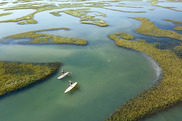
While players duel it out on the court, we’re keeping score of all the ways marsh habitat plays an important role in the protection and restoration work we do for communities, fish, and wildlife. Take a court-side look at how we protect and restore marsh habitat to sustain fisheries, recover protected species, and maintain resilient coastal ecosystems and communities.
|
Restoring Florida's Indian River Lagoon
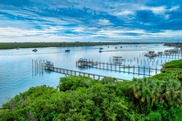
With $9.4 million from NOAA Fisheries’ Office of Habitat Conservation, the Indian River Lagoon Council and its partners are leading an ambitious ecosystem-wide effort to restore the Indian River Lagoon in east Florida. Learn more in our four-part series.
|
A System-Wide Effort to Restore Florida’s Indian River Lagoon: The 156-mile-long Indian River Lagoon was once defined by expansive seagrass beds, abundant fish and wildlife, and clear water. Pollution, habitat loss, and harmful algal blooms have since taken a heavy toll. To jumpstart recovery, the Council and its partners are carrying out 15 restoration projects in key habitats across the estuary.
Investing in Indian River Lagoon Restoration Pays Dividends: NOAA-funded restoration projects in the Indian River Lagoon generate strong economic returns, support jobs, boost fisheries, and deliver environmental benefits worth billions of dollars. A recent economic analysis found that the lagoon generates $28.3 billion in local economic activity each year. On average, every dollar invested in restoration yields about $24 in public benefits.
Restoration Innovation on the Indian River Lagoon: Spartan Reefs, Super Clams, and More: Project partners are tackling the challenges of restoring critical habitat types in the Indian River Lagoon. Meet Charlie Sembler, a fifth-generation fisherman who invented the Spartan Reef, which provides habitat for fish and other marine life. Meanwhile, University of Florida professor Todd Osborne and his team are spawning and out planting resilient "super clams," which are capable of surviving challenging conditions. |
|
 |
Restoring the Indian River Lagoon’s Seagrass Meadows and Wetlands: Indian River County is actively participating in the largest seagrass restoration effort on Florida’s east coast, including two sites funded by NOAA. In 2025, Natural Resources staff and partners planted about 13 acres of seagrass at Big Slough near Sebastian Inlet and another 10 acres at Preacher’s Hole near the Wabasso Causeway. At the same time, the St. Johns River Water Management District reconnected about 2,000 acres of wetlands within the Kennedy Space Center–Merritt Island National Wildlife Refuge complex.
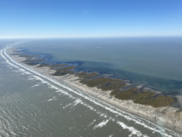
The Louisiana and Open Ocean Trustee Implementation Groups approved a final restoration plan to address natural resource injuries from the Deepwater Horizon oil spill on the Chandeleur Islands. The plan includes a habitat restoration project that will use dredged sediment to rebuild more than 2,400 acres of dune, beach, and marsh habitat. Restoration work is expected to begin in summer 2026 following permitting and consultations. |
|
 |
|