|
Highlights
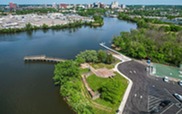
When environmental disasters injure habitats like wetlands and compromise water quality, one of the most immediate consequences is the loss of recreational access. Projects that restore or establish fishing access—like the Sol Legare Boat Landing on Charleston, SC’s Stono River and Wilmington, DE’s 7th Street Boat Ramp—bring communities back to to the pastimes they love and make up for the time that the resource was unavailable.
|
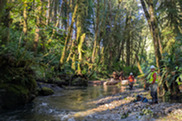
NOAA Fisheries' Office of Habitat Conservation funds projects that build engineered log jams on rivers and streams. In a place as large and remote as Washington’s Olympic Peninsula, sometimes that means flying in supplies to locations inaccessible to vehicles and large machinery.
The Quinault Indian Nation and its partners, Trout Unlimited and The Nature Conservancy, are using helicopters to build more than 130 engineered large jams along 8 miles of instream habitat on the Queets-Clearwater watershed. Using helicopters to build them means the project team doesn’t have to build roads to bring in equipment and supplies, sparing the ecosystem from further damage.
|
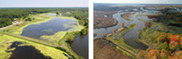
In September 2025, Muskegon Lake was officially removed from the EPA’s Areas of Concern list. It was originally designated one of the most environmentally degraded sites in the Great Lakes 40 years ago. NOAA Fisheries’ Office of Habitat Conservation, the U.S. Environmental Protection Agency, and other partners worked for decades to restore the area.
NOAA and partners addressed environmental challenges such as fish and wildlife habitat loss, contaminated soils, and hardened shorelines to meet the criteria for delisting. This milestone marks a major achievement for the Muskegon community and for Great Lakes restoration efforts.
|
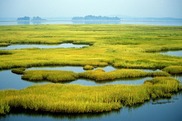
Wetlands—including marshes, mangroves, swamps, and floodplains—provide valuable benefits. They serve as habitat for the fish we eat, protect coastal communities from storms, and help filter pollution out of our water. NOAA works with partners to protect and restore these habitats, so they can provide economic and ecological benefits that fisheries and communities depend on.
|
|
|
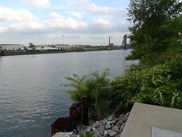
NOAA and Federal Natural Resource Trustees have opened a new submission portal inviting community members and interested parties to share restoration project ideas for rivers, bays, and watersheds in the New York/New Jersey Harbor Estuary to help guide a restoration plan addressing natural resource injuries from the Diamond Alkali Superfund Site. Submissions to benefit fish, birds, shellfish, wetlands, and water quality will be accepted until April 30, 2026, and could help shape future restoration actions funded by a settlement with Maxus Energy Corporation.
|
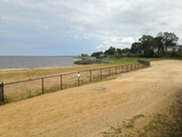
NOAA and the Natural Resource Trustees for the Raritan Bay Slag Superfund Site are inviting the public to submit restoration project ideas by April 24, 2026 to help guide how an estimated $17.6 million in settlement funds will be used to restore damaged coastal and aquatic habitats, and compensate for lost ecological and recreational resources in the Raritan Bay area. The call for ideas seeks projects that would improve fish and wildlife habitats, wetlands, shoreline areas, and other natural resources impacted by historic hazardous waste releases in Old Bridge and Sayreville, New Jersey.
|
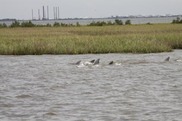
NOAA and partners have published a comprehensive set of new planning documents from the Monitoring Approaches for Dolphin Restoration in Louisiana project, offering a scientific blueprint to better monitor bottlenose dolphin populations and understand the threats they face as part of Deepwater Horizon restoration efforts. These resources are crucial for developing future restoration activities to reduce threats faced by dolphin populations and monitoring and evaluating their effectiveness. |
|
 |
|
|
|
|