|
Highlights
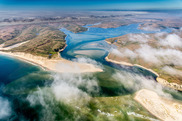
This National Estuaries Week, join us in celebrating these important habitats, located where rivers meet the sea. Estuaries provide homes for fish and wildlife and support recreation, jobs, tourism, shipping, and more. NOAA’s work to protect and restore estuary habitat helps sustain our nation’s fisheries, recover endangered species, and support coastal communities.
|
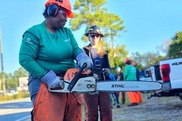
A new economic analysis shows that community-led restoration contributes broadly to local, state, and national economies. It finds that $72.5 million invested across 12 habitat restoration projects in Florida is estimated to support jobs and wages and increase both spending and economic activity. In total, more than $100 million will be added to the economy.
|
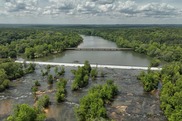
The Altamaha River Basin in Georgia drains more than 14,000 square miles into the Atlantic Ocean. However, several barriers currently limit access to upstream habitat historically used by fish for spawning. Results from two fish passage studies will help NOAA, in partnership with resource agencies and universities, strategically implement fish passage and restore watershed health in the Altamaha River Basin.
|
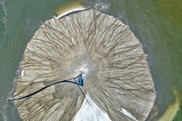
In the coastal waters near Orange Beach, Alabama, the Lower Perdido Islands have long been a coastal refuge for birds and marine life. Boaters also flock to the area’s crystal clear waters and white sand beaches. But, after years of storm damage, erosion caused by boat wakes, and impacts from the Deepwater Horizon oil spill, the islands were rapidly diminishing.
This year, however, the shrinking islands got a chance to be rejuvenated. The Nature Conservancy, City of Orange Beach, and other partners used local sediment to restore 30 acres of subtidal, marsh, dune, and upland habitat on Walker and Robinson Islands.
|
|
|

This summer, General Recycling of Washington (General Recycling) began construction of a 2.8-acre restoration project along the Lower Duwamish River to restore habitat for Chinook salmon, shorebirds, and other wildlife. The off-channel marsh, intertidal, and riparian habitats will help support the recovery of these natural resources harmed by decades of contamination in this industrial waterway.
|
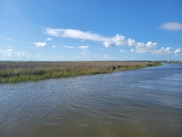
The Mississippi Trustee Implementation Group for the Deepwater Horizon oil spill continues to implement the Restoring Living Shorelines and Reefs in Mississippi Estuaries project. During engineering and design of the St. Louis Bay Living Shoreline, the Trustees for the Mississippi Restoration Area determined that the size of the planned breakwater should be increased in order to provide the level of shoreline protection desired.
|
|
|
|
|