|
Highlights
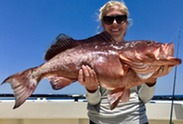
NOAA Fisheries is implementing an emergency rule that will increase the Gulf of America red grouper catch limits and extend the recreational fishing season. Results from the updated stock assessment for Gulf red grouper indicated that catch limits could be increased substantially while still maintaining fishing at a sustainable level.
|
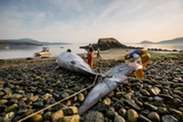
NOAA Fisheries released the 2022 and 2023 Combined Report of Marine Mammal Strandings in the United States. It includes information on confirmed cetacean (whale, dolphin, and porpoise) and pinniped (seal, fur seal, and sea lion) stranding rates, trends, and activities.
|
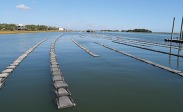
NOAA Fisheries supports the expansion of the U.S. aquaculture industry to meet the growing demand for domestic seafood. Aquaculture gear—such as shellfish cages, fish netpens, and kelp long lines—must be permitted to comply with relevant regulations and ensure sustainability. Scientists at NOAA Fisheries released a new technical memo on aquaculture gear to aid resource managers who review and authorize new aquaculture projects.
|
|
|
Alaska
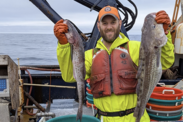
NOAA fishery biologists provide critical support for sustainable fisheries and science from deck to desk. Meet Chris Anderson, a field biologist at the Alaska Fisheries Science Center, in this interview and accompanying video.
|
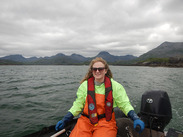
Read a guest blog post by undergraduate Ella Kelly, an intern at the Alaska Fisheries Science Center’s Auke Bay Laboratories. She describes her experience beach seining to sample the nearshore habitat of juvenile Pacific cod habitat in the Gulf of Alaska.
|
|
|
Southeast
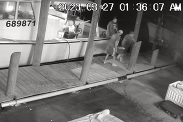
In 2023, the South Carolina Department of Natural Resources' Saltwater Unit received a tip regarding false reporting of federally managed snowy grouper and tilefish. NOAA Fisheries’ Office of Law Enforcement led an investigation resulting in the conviction and sentencing of a South Carolina bottom longline fisherman for violations related to commercial fishing, including lying to federal agents.
|
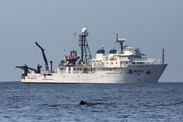
A team at the Southeast Fisheries Science Center is spending the summer studying the demographics and foraging behavior of sperm whales. A key part of the study involves deploying digital acoustic recording tags—suction cup devices that stick to whales temporarily—to record sounds, vocalizations, movement, and other information.
|
Meet Michelle Rife, an undergraduate intern at the NOAA Southeast Fisheries Science Center this summer. In this guest blog post, she describes her projects in science communication and outreach and her opportunities to support NOAA fisheries surveys at sea.
|
|
|
Upcoming Deadlines
August 15: Applications due for Federal Emergency Management Agency’s FY2025 Port Security Grant Program
August 29: Proposals due for the Fisheries Innovation Fund solicitation from the Massachusetts Division of Marine Fisheries
September 5: Proposals due for NOAA’s Cooperative Institute Fostering Aquaculture Research and Marketing
September 10: Applications due for the Department of Transportation Maritime Administration’s 2025 Port Infrastructure Development Program
October 1: Abstracts due for the 2026 Northeast Aquaculture Conference & Exposition and the Milford Aquaculture Seminar
View more news and announcements
|
|
Upcoming Events
August 9: Woods Hole Science Stroll at NOAA Fisheries
August 11–14: Mid-Atlantic Fishery Management Council Meeting in Annapolis, MD
August 21: Atlantic Shark Identification Workshop in Mount Pleasant, SC
August 28: 2025 eeBLUE Aquaculture Literacy Mini-Grants Virtual Symposium
September 4: Safe Handling, Release, and Identification Workshop in Kenner, LA
September 20: Milford Lab Open House in Milford, CT
View more events
|
|
|
|