|
Highlights
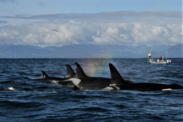
Conservation and recovery of long-lived species requires continued monitoring of individuals. Meet some of the animals that have been known to scientists for decades.
|
|
|
Alaska
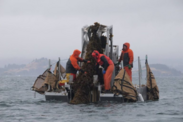
The StoryMap, “Growing the Future: Siting Alaska’s Aquaculture Opportunity Areas,” documents the process of using mapping and modeling to boost Alaska’s working waterfronts and cultivate a thriving domestic seaweed and shellfish aquaculture industry.
|
|
|
West Coast
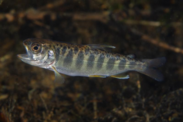
Microsoft Corp. awarded NOAA Fisheries researchers 2 years worth of high-powered computing time and expertise to develop an AI model. It will forecast how changing flows in the Columbia River Basin affect salmon habitat.
|
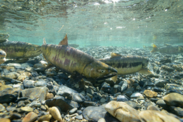
With support from NOAA, partners are restoring salmon habitat on the East Fork Lewis River in Washington. Their work is improving fish passage, reducing flood and erosion risks, and generating economic benefits for the local community.
|
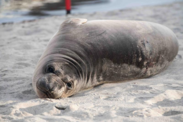
NOAA Fisheries’ Office of Law Enforcement is seeking information on the attack of an elephant seal pup in Neskowin, Oregon. The young elephant seal sustained multiple stab wounds but survived.
|
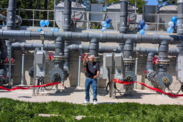
A new system is now supplying clean seawater to the NOAA Fisheries Manchester Research Station in Washington. It replaces an older system prone to breakdowns, and ensures shellfish and other research projects have a reliable water supply.
|
|
|
Pacific Islands
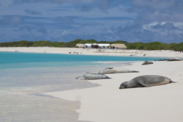
Fresh survey techniques, historic data retrieval, and rehabilitated new moms were just a few of the successes marked by the 2024 field camp season in the Papahānaumokuākea Marine National Monument.
|
|
|
Southeast
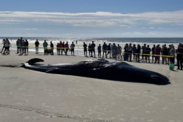
Earlier this month, a male sperm whale washed up along Hilton Head. A team of marine mammal experts from South Carolina, Florida, Georgia, and North Carolina mobilized to reach the dying whale.
|
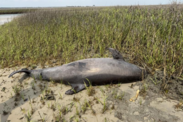
NOAA Fisheries’ Office of Law Enforcement is investigating the death and decapitation of a bottlenose dolphin on Lea-Hutaff Island. We are offering a reward of up to $20,000 for information leading to a criminal conviction or the assessment of a civil penalty.
|
|
|
New England/Mid-Atlantic
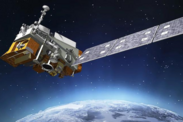
Scientists at NOAA Fisheries and CoastWatch leverage remote sensing technology to help aquaculture growers. Using satellite imagery, they can collect data on a number of water quality parameters quickly and efficiently.
|
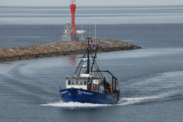
A NOAA Fisheries emergency action to open the Northeast multispecies fishery ensures the fishery can continue without interruption. It is based on the best scientific information for Atlantic groundfish fisheries including cod, haddock, plaice, pollock, and other fish species.
|
|
|
Upcoming Deadlines
May 23: Comments due on Spatial Planning Study to Identify Draft Aquaculture Opportunity Area Options Within Alaska State Waters
July 13: Priority applications due to participate in the Gulf of Maine Research Institute Marine Resource Education Program in the Southeast fishery region
September 10: (deadline extended) Applications due for the Department of Transportation Maritime Administration’s 2025 Port Infrastructure Development Program
December 1: Proposals due for the Gulf Council’s solicitation for Review of Fishery Management Councils’ Regulatory Process
View more news and announcements
|
|
Upcoming Events
May 17–18: Ocean Fun Days 2025
May 28: Western and Central Pacific Fisheries Commission Permanent Advisory Committee Meeting
June 3–4: Gulf Fishery Management Council Meeting (relocated to Tampa, FL)
June 3–5: Mid-Atlantic Fishery Management Council Meeting
June 5–10: North Pacific Fishery Management Council Meeting
June 9–13: South Atlantic Fishery Management Council Meeting
June 11–16: Pacific Fishery Management Council Meeting
June 24–26: New England Fishery Management Council Meeting
View more events
|
|
|
|