|
Highlights
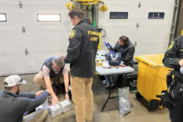
NOAA Fisheries’ Office of Law Enforcement is bringing the forensics lab directly into the hands of enforcement staff. They are using a new rapid genetics device to help stop seafood fraud and illegal trade.
|
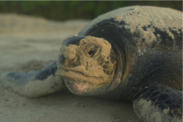
Once hammered by overhunting and habitat loss, sea turtles have persevered with new protections and conservation efforts. Their populations are now rebounding even as oceans change, a new review has found.
|
|
|
Alaska
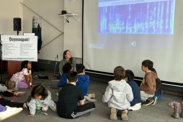
Stori Oates from the Alaska Fisheries Science Center highlights events the education team participated in during 2024, including the Barrow Arctic Research Center Science and Culture Fair.
|
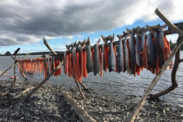
Mabel Baldwin-Schaeffer from the Alaska Fisheries Science Center dives into the world of salmon in Alaska, a place where some species are declining while others show healthy returns.
|
|
|
West Coast
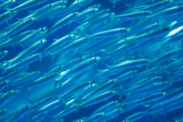
We hear from the scientist who discovered Japanese sardines off the coast of California for the first time and discuss what it means for the future.
|
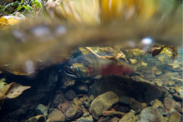
Endangered Central California Coast coho salmon are using NOAA-funded restoration sites, according to our partners The Nature Conservancy and Trout Unlimited. This coincides with a record-breaking spawning season.
|

According to the NOAA California Current Integrated Ecosystem Assessment’s annual report, the California Current Ecosystem pulled out of a strong El Niño pattern in 2024. The report highlights stronger upwelling, productive waters for forage species, improved freshwater streamflows, and how California sea lions adapted.
|
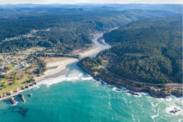
Learn how government funding for salmon habitat restoration employs foresters, construction workers, and other professionals to rehabilitate rivers and streams damaged by historic logging.
|
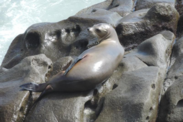
Reward offered for information leading to a civil penalty or criminal conviction.
|
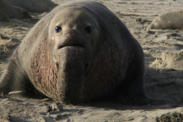
A new research paper recognizes northern elephant seals as an “ecosystem sentinel.” They can provide a low-cost, high-value insight into how the ocean is changing and why.
|
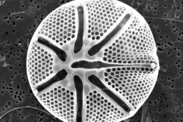
Biomass estimates tell us how much krill are around Antarctica’s South Shetland Islands each year, but they don’t tell us anything about what the environment is like. So we use sensors on gliders to help us discover what amounts to a “five-star” resort for krill.
|
|
|
Pacific Islands
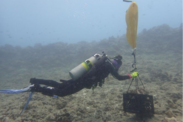
A promising coral restoration technique is being tested in the coastal waters of Hawai‘i for the first time.
|
|
|
Southeast
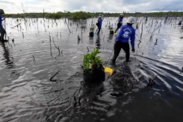
This NOAA-funded program helps young professionals in Puerto Rico get training and job experience to enter the workforce, while restoring mangroves destroyed by Hurricane Maria.
|
|
|
New England/Mid-Atlantic
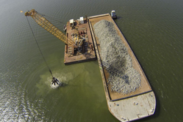
Scientists at Morgan State University forecast that restored oyster reefs—especially when paired with eelgrass recovery—boost habitat, blue crab harvest, and the economy.
|
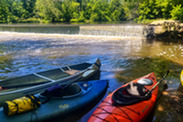
Funding to remove the Rockafellows Mill Dam in New Jersey is part of a long-term effort to bring shad and other native fish back to spawning grounds which have been blocked for almost 200 years.
|
|
|
Upcoming Deadlines
March 21: Applications due for Bycatch Reduction Engineering Program Funding
March 31: Applications due for Atlantic Salmon Habitat Restoration Partnership Grants
April 16: Proposals due for Transformational Habitat Restoration and Coastal Resilience Grants
April 18: Applications due for the NOAA Delaware Bay Watershed Education and Training Program
April 21: Responses due for Sources Sought Notice for domestically produced tuna for USDA Food Programs
May 5: Comments due on the Makah Tribe’s permit application for a limited hunt for gray whales
May 12: Proposals due for Coastal Habitat Restoration and Resilience Grants for Tribes and Underserved Communities
View more news and announcements
|
|
Upcoming Events
March 25–27: Western Pacific Regional Fishery Management Council Meeting
April 3–7: North Pacific Fishery Management Council Meeting (Virtual Only)
April 7–10: Gulf of Mexico Fishery Management Council Meeting
April 8–10: Mid-Atlantic Fishery Management Council Meeting
April 9–15: Pacific Fishery Management Council Meeting
View more events
|
|
|
|