|
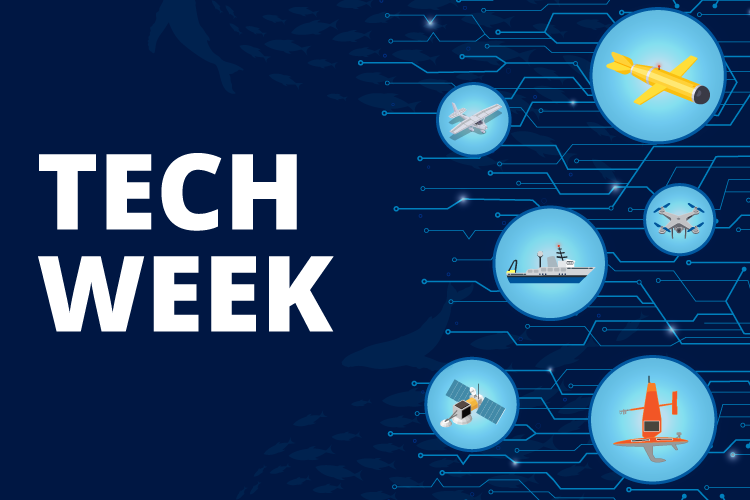 Learn about the technologies our scientists use to fulfill our mission!

Videos and images from advanced underwater cameras are a critical component of collecting data. We use this information to make informed management decisions for marine species and habitat.
|

Autonomous vehicles, like gliders, are giving us critical new insights into what is going on in the deeper parts of the ocean.
|

Satellites provide scientists important data they use to manage and protect fisheries and marine mammals.
|
|
|
Highlights

To support our efforts to restore resilient coral ecosystems, NOAA has recommended more than $1 million in funding for three new projects and one ongoing, multi-year project under the Ruth D. Gates Coral Restoration Innovation Grants.
|
|
|
West Coast
Southern Resident killer whale J35, also known as Tahlequah, was spotted carrying her deceased calf off Alki Point in West Seattle on December 31. While monitoring Tahlequah, scientists saw another newborn calf nearby in apparent robust health. We don’t know the gender or the mother of this calf yet.
|
The U.S. Antarctic Marine Living Resources Program deployed two gliders and hopes for an encore of last year’s near-flawless deployment.
|
|
|
Pacific Islands
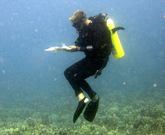
In 2024, NOAA Fisheries’ Pacific Islands Regional Office awarded approximately $7 million in grants and cooperative agreements to 14 U.S. and international agencies and organizations from American Samoa, the Commonwealth of the Northern Mariana Islands, Guam, Hawai‘i, and the greater Pacific.
|
|
|
Southeast
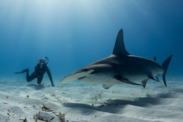
As part of the Faces of the Southeast Fisheries Science Center series, meet Dr. Kelsey Martin, who works for the Gulf and Caribbean Reef Fish Branch in the Population and Ecosystem Monitoring Division.
|
|
|
New England/Mid-Atlantic
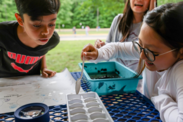
NOAA has awarded nearly $1.4 million in FY 2024 funds to 16 new projects as part of the Chesapeake Bay-Watershed Education and Training program. These projects are located in Pennsylvania, Maryland, Virginia, and Washington, DC and some will touch the entire region.
|
|
|
Upcoming Deadlines
February 10: Applications due for Restoring Fish Passage through Barrier Removal Grants
February 27: Applications due for Restoring Tribal Priority Fish Passage through Barrier Removal Grants
March 4: Applications due for the Pacific Coastal Salmon Recovery Fund
March 31: Applications due for Atlantic Salmon Habitat Restoration Partnership Grants
April 16: Proposals due for Transformational Habitat Restoration and Coastal Resilience Grants
May 12: Proposals due for Coastal Habitat Restoration and Resilience Grants for Tribes and Underserved Communities
View more news and announcements
|
|
Upcoming Events
January 23: Educator Webinar on Stories from Three Division Environmental Literacy Plans
January 27–30: Gulf of Mexico Fishery Management Council Meeting
January 28–30: New England Fishery Management Council Meeting
February 6–10: North Pacific Fishery Management Council Meeting
February 11–12: Mid-Atlantic Fishery Management Council Meeting
February 24: Educator Webinar on Integrating Social Studies into Meaningful Watershed Educational Experiences
February 26: Educator Webinar on 2025 Environmental Literacy Forum Virtual Recap
March 27: Educator Webinar on High-Quality Environmental Education Programming
April 10: Educator Webinar on NOAA Data Online Courses
View more events
|
|
|
|