|
Highlights

James Binniker has been selected as the new director of the NOAA Office of Law Enforcement. With nearly 30 years of experience in law enforcement, marine resource protection, and maritime security operations, James brings a wealth of expertise and leadership to NOAA's mission of safeguarding our nation's marine resources, places, and habitats and promoting sustainable fisheries management.
|
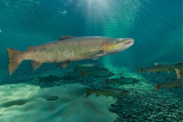
We launched a new web page about our scenario planning efforts! Scenario planning is a structured process that helps us and other organizations consider risks and options in the face of a changing climate. It’s a valuable tool that helps us assess the ways that climate, oceans, and human activities might change—and what the best options may be to promote resilience and adaptation under those changing conditions.
|
We recently issued an incidental harassment authorization pursuant to the Marine Mammal Protection Act to Vineyard Wind that authorizes the harassment of marine mammals incidental to pile driving associated with the Vineyard Wind 1 Offshore Wind Project Phase 2 within the Massachusetts and Rhode Island Wind Energy Area. The authorization is effective October 1, 2024, through September 30, 2025.
|
|
Alaska
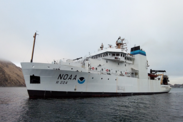
Tribal Research Coordinator Mabel Baldwin-Schaeffer talks about the Ecosystems and Fisheries Oceanography Coordinated Investigations Fall Mooring cruise’s mission and the legacy of an Alaskan fishing pioneer—after whom the research vessel is named.
|
|
|
West Coast
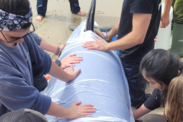
Several teams from our stranding network responded to a killer whale stranded on Carmel Beach on the Central California Coast last week. Unfortunately the animal died in transit to a rehabilitation facility in Santa Cruz.
|
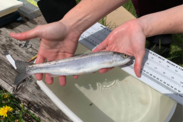
New research indicates that recovering populations of predators—such as harbor seals—can derail salmon and steelhead recovery, especially when fish populations are small and struggling.
|
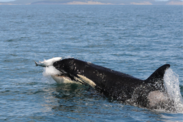
New research about the diets of two populations of North Pacific resident killer whales can inform conservation strategies for endangered Southern Residents.
|
|
|
Pacific Islands
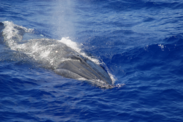
We identified that Bryde’s whales are the source of a new whale call in the western North Pacific. Working with Google AI, we used machine learning to sort through thousands of hours of acoustic recordings and identify when and where these calls occur.
|
|
|
Southeast

Join the crew of NOAA Ship Gordon Gunter as they set sail for Leg 2 of the Vessel Survey for Abundance and Distribution on Marine Mammals and Seabirds.
|
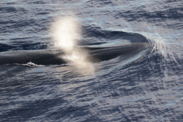
Research fishery biologist Carrie Sinclair recounts the various marine mammal sightings made by the crew of NOAA Ship Gordon Gunter in the first week of Leg 2 of the Vessel Survey for Abundance and Distribution on Marine Mammals and Seabirds.
|
|
|
New England/Mid-Atlantic
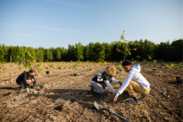
Learn how we’re helping teachers and students understand climate change—and take relevant action—in the Chesapeake Bay watershed.
|
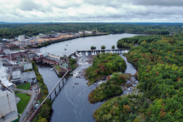
An international partnership led by the Passamaquoddy Tribe will improve access to 600 miles and 60,000 acres of habitat to alewives and other sea-run fish. The work could result in the return of 80 million adult spawning alewives.
|
|
|
Upcoming Deadlines
September 30: Proposals due for the 2025 Sea Scallop Research Set-Aside Program
October 23: Comments due on proposed rule for 10 species of giant clams under the Endangered Species Act
October 28: Applications due for FY 2025 NOAA Great Lakes Fish Habitat Restoration Partnership grants
October 30: Applications due for the John H. Prescott Marine Mammal Rescue Assistance Grant Program
October 31: Applications due for Species Recovery Grants to States
October 31: Applications due for Species Recovery Grants to Tribes
November 1: Applications due for Bluefin Tuna Research Program
November 4: Proposals due for Citizen Science for Improved Stock Assessments and Climate-Ready Fisheries Management
View more news and announcements
|
|
|
|