|
Highlights
We are excited to celebrate Habitat Month this July! All month long, we are sharing amazing habitat conservation efforts through our website and social media. The theme this year is "Growing Habitat Together.” We are focusing on how NOAA Fisheries is working with our partners to make a historic impact to restore coastal habitats and support communities across the country. We are expanding our work, growing new partnerships, and growing more actual habitat. Contact: Alison Hammer.
|
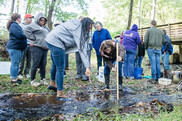
NOAA is recommending a total of nearly $2.62 million in 2023 funding for the NOAA Chesapeake Bay-Watershed Education and Training grants that support student learning, teacher training, and more. Projects will support environmental literacy efforts for high-quality experiential learning for K-12 students and professional development for educators around the Chesapeake Bay watershed. There will be 12 new projects and nine continuing projects that will lead to real, lasting differences for communities, schools, and the environment. Contact: Elise Trelegan.
|
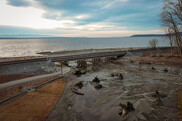
For many years, visitors to Meadowdale Beach Park in Edmonds, Washington, often found it difficult to actually access the beach. A railroad runs along the shoreline, and a too-narrow concrete culvert was the only opening for both people and salmon to travel under the railway. A NOAA-supported project has helped reconnect the park to the beach and restore much-needed habitat for salmon. Contact: Larissa Lee.
|
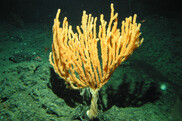
A series of expeditions is underway to help NOAA and partners better understand the diversity and extent of deep-sea coral and sponge communities in the Aleutian Islands and Gulf of Alaska. Exploring these seafloor ecosystems is important as it catalyzes further exploration and research, which can inform management activities. Contact: Dani Weissman.
|
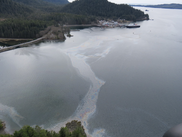
NOAA recently accepted a settlement for damage assessment and restoration for the Tug Powhatan oil spill. The $1.3 million dollar settlement will fund two restoration projects in Sitka, Alaska that will benefit Pacific herring spawning habitat, as well as local tribes and communities. The projects will remove marine debris from shorelines adjacent to Pacific herring spawning habitat in Sitka Sound and provide additional funding for an existing shellfish monitoring program that provides information about environmental changes and seafood safety to local Tribes and communities. Contact: Erika Ammann.
|
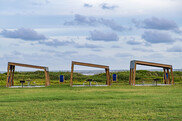
The Deepwater Horizon Trustees continued the seventh year of post-settlement restoration in 2022, approving 5 new restoration plans and 40 new projects. In the 13 years since the spill, the Trustees have approved more than 325 different activities to restore injured Gulf of Mexico resources. The total allocated cost of restoration projects to date is $2.14 billion. Learn more about recent projects and activities in the 2022 annual reports. Contact: Natalie Matthews.
|
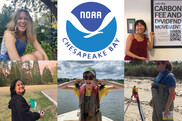
The NOAA Chesapeake Bay Office is hosting five interns this summer. These talented students are exploring potential career paths and learning from NOAA experts on topics including climate change, habitat science, and education. Contact: Bart Merrick. |
|
 |
|
|
Habitat Across NOAA
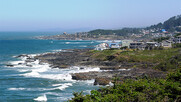
Approximately $575 million is available for projects that build the resilience of coastal communities to extreme weather (e.g., hurricanes and storm surge) and other impacts of climate change, including sea level rise and drought. Funding was made possible by the Inflation Reduction Act, a historic, federal government-wide investment that is advancing NOAA’s efforts to build Climate-Ready Coasts. Letters of intent are due August 21, 2023.
|
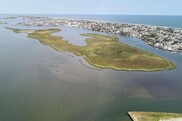
Infrastructure projects that intentionally use natural and nature-based habitats and processes to reduce risks and deliver multiple benefits are referred to as nature-based solutions. These projects use habitats, such as marshes or human-made oyster reefs, and natural processes, such as river currents, to reduce coastal hazard risks and deliver multiple economic, social, and environmental benefits.
|
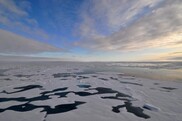
Climate change is putting our nation’s marine life—and the people who depend on it—at great risk. NOAA Fisheries is committed to working with partners to better understand, prepare for, and respond to these impacts. Our second round of Climate Science Regional Action Plans will help decision-makers effectively prepare for and respond to rapidly changing ocean conditions.
|
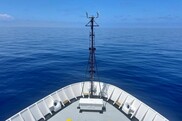
Follow along with NOAA scientists for frequent updates from teams collecting marine mammal and seabird data in the Gulf of Mexico to help inform restoration planning for species harmed by the Deepwater Horizon oil spill. The Vessel Survey project is updating information on abundance and distribution of seabirds and marine mammals to better assess the outcomes of restoration efforts. The project is part of a larger portfolio of NOAA and partner work to restore species and habitats in the Gulf.
|
|
|
Announcements
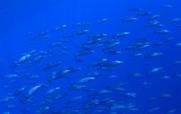
The Deepwater Horizon Open Ocean Trustees want your ideas for restoring fish, water column invertebrates, and sea turtles harmed by the 2010 Deepwater Horizon oil spill. Learn more about the target species and restoration priorities, and submit your idea, at the portal by August 14, 2023.
|
|
|
|
|