|
Highlights
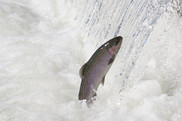
NOAA is recommending nearly $105 million in funding for 36 fish passage projects this year, as well as an additional $61 million in future year funding under the Biden-Harris Administration’s Bipartisan Infrastructure Law. With this historic level of funding, our partners will reopen migratory pathways and restore access to healthy habitat for fish across the country. Contact: Jessica Edwards.
|
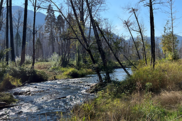
NOAA is supporting McKenzie River Trust and other community partners to restore floodplain connectivity along Finn Rock Reach in Oregon’s McKenzie River. The project is restoring important habitat for threatened Upper Willamette River Chinook salmon. Contact: Larissa Lee.
|
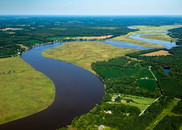
Virginia’s Middle Peninsula was announced as a NOAA Habitat Focus Area in May, and projects are already well under way. Projects will restore habitats for important fish and shellfish species and will improve the resiliency of coastal communities. Efforts include oyster restoration, living shorelines, and more. Contacts: Andrew Larkin, Lauren Taneyhill.
|
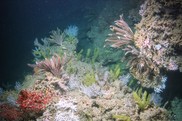
Learn about NOAA’s role in deep-seafloor habitat restoration in the Gulf of Mexico in the wake of the 2010 Deepwater Horizon oil spill. Vital seafloor habitats were damaged by the oil spill. NOAA and partners are building a network of experts and resources to restore this underexplored area in the Gulf of Mexico. This new webpage complements the NOAA Gulf Spill Restoration website and serves as a hub for news and links to related partner resources. Contact: Laurie Rounds.
|
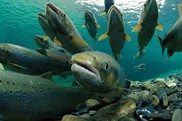
More than 20 years of restoration in Washington’s Commencement Bay are documented in a new StoryMap created by NOAA and the Commencement Bay Trustees. The storymap features more than 20 restoration projects created in the region, representing an investment of more than $70 million in pollution settlements from the work of NOAA’s Damage, Assessment, Remediation and Restoration Program. Explore the StoryMap through the eyes of a spawning salmon as it swims through various restoration sites on the Puyallup River. Contact: Larissa Lee.
|
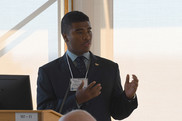
NOAA recently celebrated the 20th anniversary of the Bay Watershed Education and Training (B-WET) program. B-WET, which provides grants to support environmental education in seven regions around the country, got its start in the Chesapeake Bay watershed. Since 2002, nationwide, NOAA has awarded more than $117 million to support 929 B-WET projects. In 2022 alone, the nationwide program reached approximately 2,800 educators and 49,500 students with high-quality environmental education programs. Contact: Elise Trelegan.
|
|
|
Habitat Across NOAA
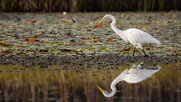
NOAA and the National Fish and Wildlife Foundation recently announced projects recommended for funding under the 2022 National Coastal Resilience Fund. The fund will invest $136 million in 88 projects that restore, increase, and strengthen natural infrastructure—the landscapes that help absorb the impacts of storms and floods—to ultimately protect coastal communities and enhance fish and wildlife habitat. The total investment, including grants announced earlier this year as well as non-federal match, is $241 million. NOAA’s Office for Coastal Management is the lead federal partner on the fund.
|
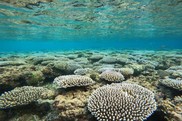
NOAA’s Corals Week was December 5–9, 2022. Coral reefs are the most diverse habitats on the planet and serve as homes for fish, crabs, seahorses, sea turtles, and more. Learn more about how NOAA Fisheries works with this diverse group of invertebrate animals and the reef habitats they create.
|
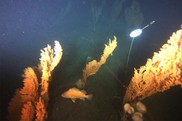
In a new multiyear, international study, researchers are using innovative technology to determine how red tree corals reproduce and sustain their populations, and how these organisms may respond to climate change. The findings will inform ecosystem-based fisheries management to help maintain productive, climate-resilient Alaska fisheries and greatly advance our knowledge of deep-sea, cold-water coral ecosystems.
|
|
|
Announcements
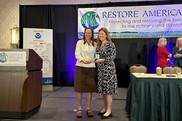
NOAA’s Office of Habitat Conservation presented Ciona Ulbrich with the 2022 Dr. Nancy Foster Habitat Conservation Award at the Restore America’s Estuaries Coastal & Estuarine Summit. Over the past 24 years at the Maine Coast Heritage Trust, Ms. Ulbrich has championed fish passage and land conservation projects in Midcoast Maine.
|
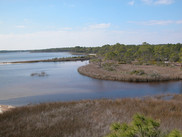
The Florida Trustee Implementation Group, the group of Florida state and federal agencies charged with restoring the Gulf of Mexico’s habitats from damage resulting from the 2010 Deepwater Horizon oil spill, are seeking project ideas from the public for its upcoming third restoration plan. Project ideas should concern restoration of water quality, and which use a range of approaches to enhance ecosystem services and recreational use along Florida’s Gulf coast. The submission portal is open through December 22, 2022 on the Gulf Spill Restoration website.
|
|
|
|
|