|
Highlights
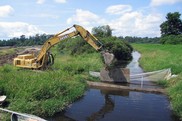
Two funding opportunities for habitat restoration and coastal resilience are currently open under the Bipartisan Infrastructure Law. Up to $85 million in funding is available to support transformational projects that restore habitat for fisheries and protected resources, while also strengthening the resilience of coastal communities and ecosystems. Applications are due September 6.
Additionally, up to $10 million in funding is available for habitat restoration and resilience awards for underserved communities, to provide capacity for these communities to more fully participate in developing future transformational habitat projects. The deadline for this funding opportunity has been extended; applications are now due October 5. Contact: Jessica Edwards.
|
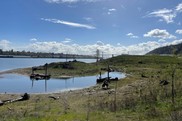
NOAA has released its first comprehensive Mitigation Policy for Trust Resources which will improve conservation through effective mitigation of adverse impacts to marine, estuarine, and freshwater resources. Mitigation is a conservation tool that includes avoiding, minimizing, or compensating for negative impacts to those resources. NOAA’s policy strives to implement climate resilient mitigation options that will last into the future. The policy emphasizes collaborating with underserved communities and stakeholders to incorporate social equity objectives into mitigation planning. We look forward to working with our partners as we implement this policy. Contact: Susan-Marie Stedman.
|
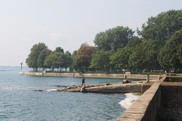
NOAA Fisheries has recommended more than $14 million in funding to continue our work restoring important habitat for fisheries in the Great Lakes. Much of the funding is provided through the Great Lakes Restoration Initiative. Through this funding, partners will implement 11 projects that will support fisheries, habitats, and communities in Great Lakes ecosystems. Contact: Julie Simmons.
|
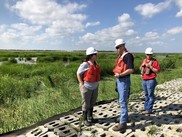
Historic climate resilience funding for NOAA, made possible by the Bipartisan Infrastructure Law, will improve habitat restoration, coastal resilience, and weather forecasting infrastructure. NOAA Fisheries' Office of Habitat Conservation will play a large role in supporting these goals by launching habitat restoration projects all across the country. On this podcast episode of Dive in With NOAA Fisheries, hear more about these projects with Director of the Office of Habitat Conservation Carrie Selberg Robinson. Contact: Alison Hammer.
|
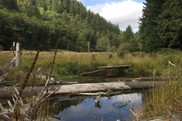
NOAA and partners help support the recovery of threatened coho salmon on the Oregon Coast by restoring the habitats they rely on for food, protection, and safe areas for spawning and rearing. Explore our story map to learn how the Oregon Coast Coho Partnership is guiding the restoration of rivers and streams along the Oregon Coast to help coho populations recover. Contact: Jill Ory.
|
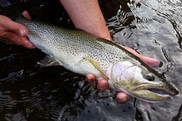
The National Fish Habitat Partnership works collaboratively with numerous partners to reverse fish habitat declines across the nation. As a founding member, NOAA Fisheries provides national and regional leadership, funding, and technical expertise for coastal and marine activities that support collaborative fish habitat restoration. Read more about this partnership. Contact: Alex Atkinson.
|
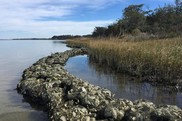
Living shorelines are a nature-based, cost-effective technique for protecting our coasts from erosion and sea level rise. Since 1998, NOAA has supported more than 200 living shoreline projects with funding and technical assistance provided through programs like our Community-based Restoration Program. Use our national map to explore living shoreline projects across the country. Contact: Janine Harris.
|
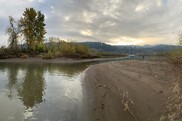
Restoration banking has been a powerful strategy to get restoration activities underway sooner than they would normally occur. Explore how four restoration banking projects in and around Portland Harbor in Oregon have contributed to improved ecological benefits and diversity of habitat on the lower Willamette River. Contact: Lauren Senkyr.
|
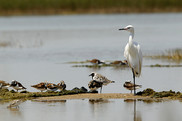
Along the far southern coast of Texas, a suite of 13 restoration projects is about to commence and help compensate for the injury caused by the Deepwater Horizon oil spill. The Texas Trustee Implementation Group has approved a $39 million plan to restore and conserve wetlands, coastal and nearshore habitat, improve water quality, and conduct sea turtle, bird and oyster restoration work. Learn more about the plan and its elements. Contact: Jamie Schubert.
|
|
|
Habitat Across NOAA
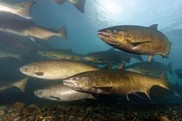
Under its Pacific Coastal Salmon Recovery Fund, NOAA is recommending more than $95 million in funding, including $34 million from the President’s Bipartisan Infrastructure Law, for 19 new grant awards for West Coast States and Tribes in 2022. This historic investment will support state and tribal programs and projects to protect, conserve, and restore West Coast salmon populations and their habitat while tackling the climate crisis, boosting resilience, and promoting economic growth by building a Climate Ready Nation.
|
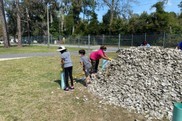
Two projects assisting oyster reef habitat restoration that will protect Georgia’s saltwater marshes and coastline. With a depleting shoreline and rising sea levels, scientists in coastal Georgia have been looking to further protect their shorelines with oyster reef habitat restoration. Restoring oyster reef habitats has been a point of focus for the health of Georgia’s salt marshes and ongoing coastal protection.
|
|
|
Announcements
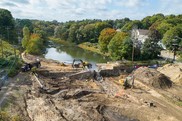
Two fish passage funding opportunities are currently open under the Bipartisan Infrastructure Law. Up to $65 million in funding is available to support transformational projects that reopen migratory pathways and restore access to healthy habitat for fish around the country. Applications are due August 15. The Bipartisan Infrastructure Law allows up to 15 percent of fish passage funds to be reserved for Indian tribes. Up to $12 million in funding is available for tribal priority fish passage projects and tribal capacity building. Applications are due August 29. Indian tribes are eligible to apply to both funding opportunities. Contact: Jessica Edwards.
|
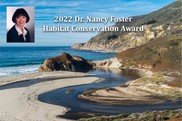
Do you know someone who has demonstrated exceptional achievement and dedication to marine, coastal, or riverine habitat conservation? The deadline to nominate a colleague for the Dr. Nancy Foster Habitat Conservation Award has been extended to August 22, 2022.
|
|
|
|
|