|
 U.S. Seafood–A Leader in Sustainability
Have you ever wondered how NOAA ensures the sustainability of U.S. seafood? Watch this short video from the National Fisheries Institute to learn how we work with fishermen and fishing communities—and rely on strong science—to bring you the seafood you love. Visit our website to learn more about sustainable seafood in the United States.
|
|
Highlights

NOAA Fisheries announced Ms. Kim Damon-Randall as Director of the Office of Protected Resources. She assumed her new duties on August 29. She brings more than 20 years of experience in Endangered Species Act and Marine Mammal Protection Act issues. Ms. Damon-Randall began her career with NOAA in 2001, serving in a series of positions at the Greater Atlantic Regional Fisheries Office. Her roles have included heading the Endangered Species Branch and serving as Assistant Regional Administrator for Protected Resources. Most recently, she has served as GARFO’s Deputy Regional Administrator.
|
|
|
West Coast

Endangered Southern Resident killer whales may be coming to a classroom near you. These majestic animals are often seen as sentinel species that reflect the health of the environment. Now a new curriculum seeks to inspire young people to become environmental stewards and join efforts to recover imperiled species such as the Southern Residents.
|
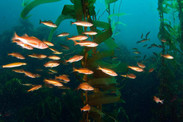
Threatened and endangered rockfish are swimming out of the depths of Puget Sound and into classrooms through a colorful new book. It engages students in the curious and fascinating lives of these charismatic species.
|
|
|
Southeast
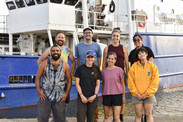
Over the next month, the R/V Pelican will transit around the Gulf of Mexico to visit 18 study sites in the deep ocean waters of the United States and Mexico. Scientists on board will recover 14 moored underwater listening devices that were deployed last summer to record ocean sounds. The team will then reset the instruments to record for another year at these sites and others. These data contribute to our understanding of how cetaceans and noise vary over time and space in the Gulf of Mexico.
|
|
|
Greater Atlantic
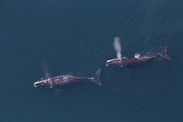
NOAA Fisheries and our partners are dedicated to conserving and rebuilding critically endangered North Atlantic right whales. Their population is declining and has been experiencing an ongoing Unusual Mortality Event since 2017. NOAA announced the final rule to modify the Atlantic Large Whale Take Reduction Plan. These gear modifications and other changes will reduce entanglements in fishing gear.
|

Every year, millions of fish along the Atlantic coast migrate up rivers and streams to reproduce or spend part of their lives. But they are often blocked from completing their journeys by barriers such as dams and culverts. NOAA Fisheries works to reopen these migratory pathways, restoring access to healthy habitat for fish. Our interactive story map highlights how our efforts help sustain the cultural, ecological, and economic benefits these fisheries provide to communities in the Northeast.
|
|
|
|
|