|
 Celebrate the Ocean with Sustainable Seafood
June is Ocean Month and to celebrate you can Learn About the Seafood You Love! In the United States, our fishermen and ocean farmers abide by some of the most rigorous environmental standards in the world—giving us the earned reputation as a global leader in sustainability. For up-to-date information on U.S. seafood, visit FishWatch.
|
|
Highlights
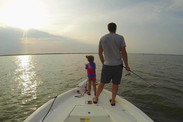
As we celebrate America’s love of fishing and boating during National Fishing and Boating Week 2021, it's a great time to learn how NOAA supports sustainable recreational fisheries for the benefit and enjoyment of the nation. We celebrate this event annually the first full week of June.
|

This past weekend marked the fourth observance of the International Day for the Fight Against Illegal, Unreported, and Unregulated Fishing. This day was declared by the United Nations to raise awareness about IUU fishing and its threat to the sustainability of the world’s ocean resources. NOAA’s Office of Law Enforcement plays a pivotal role in tackling IUU fishing every day.
|
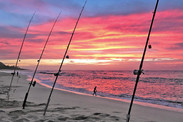
Across the United States, changes in our climate and oceans are affecting our communities, businesses, and natural resources—including our fisheries and coastal habitats. Climate change is already affecting the productivity, abundance, distribution, and composition of fish stocks that anglers enjoy. As a result of these kinds of changes, coastal businesses and the associated industries we cherish face unprecedented challenges.
|

America’s marine economy contributed about $397 billion to the nation’s gross domestic product in 2019 and grew faster than the nation’s economy as a whole, according to statistics released this week by NOAA and the DOC Bureau of Economic Analysis.
|
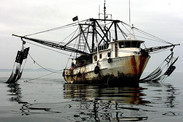
Every day, the United States works with our partners across the world to confront illegal, unreported, and unregulated fishing. Wherever it occurs, IUU fishing undermines global maritime rules-based order, which has been essential to global prosperity and development for the past 70 years.
|
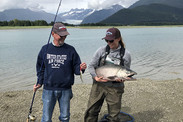
Whether it was our personal lives, work lives, or both, 2020 challenged us all in unexpected ways. Fortunately, as we celebrate National Fishing and Boating Week 2021, there is a lot of great fishing to look forward to.
|

NOAA funded four projects through the National Fish Habitat Partnership to engage recreational anglers in habitat conservation in Washington, Virginia, California, and Alaska in 2020. They demonstrated our commitment to collaborate with the recreational fishing community. Despite a challenging year, these projects made great progress to benefit coastal communities, fish, and habitats.
|

Entanglements in fishing gear and other factors are stunting the growth of North Atlantic right whales. This is leaving these critically endangered whales smaller and more vulnerable to other threats, new research shows.
|

Along the Atlantic and Gulf coasts, NOAA Fisheries uses different data collection programs to gather different pieces of information about for-hire fishing activity. Each program plays a unique role in the agency’s work to estimate total recreational catch. Check out our new graphic to learn more about the surveys we use to collect information from for-hire captains and recreational anglers.
|
|
|
Alaska

NOAA Fisheries is seeking public comments on a proposal to amend the Fishery Management Plan for the Salmon Fisheries in the Exclusive Economic Zone off Alaska to prohibit commercial salmon fishing in federal waters in Cook Inlet. The proposed action would not close any salmon fishing in State of Alaska waters.
|
|
|
West Coast

NOAA Fisheries is asking for public input on a Pacific Fishery Management Council recommendation to reduce impacts from fishing off the West Coast. The recommendation would be implemented if salmon numbers fall too low to provide enough prey for the 75 endangered Southern Resident killer whales.
|

This month, NOAA Fisheries is helping orca fans learn about and help protect endangered Southern Resident killer whales and other whales in the Northwest. Join us for a month of webinars, educational opportunities, and outdoor activities.
|
|
|
Greater Atlantic

Maine’s Penobscot River has more than 100 dams, many of which are aging and no longer serve their original purpose. Removing aging dams is becoming more common to address the hazards they pose, return natural river flow and function, or both.
|
|
|
|
|