|

Join us for Shark Week 2019 and dive into our latest research and sustainable shark management. Our sharktastic features highlight fun facts about these amazing creatures and showcase why we study sharks and manage their populations.
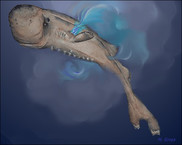
Researchers, including NOAA Fisheries’ Mark Grace, first noticed the unusual tiny shark specimen in 2015. After comparing it to the only known similar specimen —captured in the Eastern Pacific Ocean in 1979 —researchers determined that this one, caught in the Gulf of Mexico, is a different species. A new paper formally describes it as the American pocket shark.
|
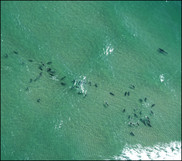
By the 1970s, white sharks were rare in Cape Cod waters, and once-resident populations of gray seals had been extirpated. Today, both sharks and gray seals share these waters in numbers not seen for decades. Aside from their famous predator-prey relationship, white sharks and gray seals have a lot in common.
|
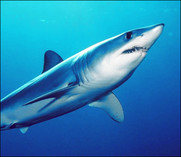
Unlike the spines of most vertebrates, shark spines are made of cartilage. NOAA Fisheries’ Apex Predators Program provided spinal column samples from four shark species to a researcher looking to learn more about the resilience of shark spines, the formation of bones and cartilage, and the connections to improving medical treatment of bone disease in humans.
|
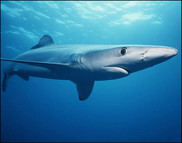
Since 1962, the Apex Predators Program at the Northeast Fisheries Science Center has worked with volunteer recreational and commercial fishermen, scientists, and fisheries observers to tag sharks in the marine and coastal waters of New England and the Mid-Atlantic. The data collected have been instrumental in shaping what we know about shark migration and distribution.
|
|
|
Highlights
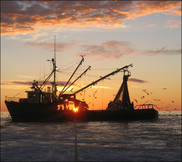
NOAA Fisheries released a strategic plan for 2019–2022 that sets out goals and strategies to amplify the economic value of fisheries and recover and conserve marine protected species. Priorities in the plan include maximizing the economic yield of U.S. fisheries, reducing bycatch and entanglements, fostering U.S. marine aquaculture, and focusing species recovery efforts.
|
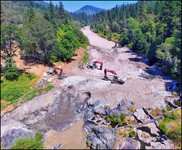
NOAA’s Restoration Center recommends $10.4 million in funding to 20 partners through our Community-based Restoration Program Coastal and Marine Habitat Restoration Grants. By opening rivers, reconnecting floodplains, and reducing coastal runoff, these projects will support oysters, corals, and river herring, as well as three of NOAA’s Species in the Spotlight.
|
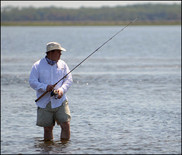
This month, NOAA Fisheries submitted a report to Congress describing the Marine Recreational Information Program’s exploration of the suitability of electronic reporting as one method of collecting data from saltwater anglers. More research will inform MRIP on how angler-submitted electronic data can best supplement data collected through other means.
|
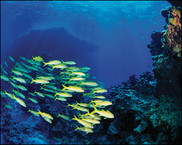
The Depart of State will host a public meeting on
August 7 regarding upcoming United Nations negotiations concerning marine biodiversity in areas beyond national jurisdiction. Please RSVP to the provided contact if you plan to attend.
|
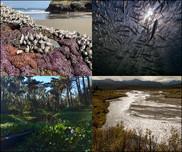
As part of NOAA Fisheries’ Habitat Month celebration throughout July, we invited the public, NOAA staff, and youth to submit photos highlighting four categories of habitat: coastal wetlands, estuaries, rivers, and underwater habitat. Check out the beautiful winning entries!
|
|
|
Alaska
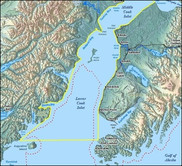
NOAA Fisheries is issuing 5-year regulations and Letters of Authorization to Hilcorp Alaska LLC to allow the take of small numbers of marine mammals (by Levels A and B, injury and behavioral harassment, only) incidental to oil and gas activities in Cook Inlet, Alaska. These regulations include required mitigation and monitoring measures expected to reduce adverse impacts.
|
|
|
West Coast
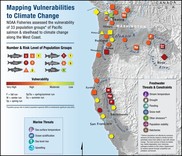
A new NOAA Fisheries report, the second in a series, assesses the vulnerability of Pacific salmon to changing climate and ocean conditions. The report focuses on 33 threatened and endangered Pacific salmon and steelhead population groups. The findings indicate that several of the prime salmon runs are highly vulnerable, but others show resilience to a shifting environment.
|
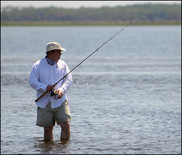
In a new study, researchers at the Northwest Fisheries Science Center and partner institutions find that collecting and analyzing environmental DNA (eDNA) is just as effective for tracking threatened Chinook populations as casting nets into the water to catch the fish swimming by.
|
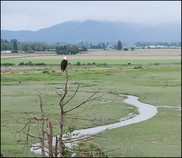
NOAA and partners’ efforts to restore habitat for Chinook salmon in the Skagit River estuary—part of Washington’s Puget Sound—are showing positive results. Project by project, the restoration efforts are accomplishing their goals for juvenile salmon. However, Chinook will need a healthy habitat throughout Puget Sound to fully recover.
|
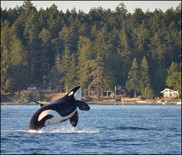
For 13 years, the NOAA Fisheries West Coast Region partner Orca Network has celebrated June as “Orca Awareness Month” in Washington State. This summer, partnering with Orca Salmon Alliance, Orca Network renamed June “Orca Action Month,” expanded activities to Oregon and British Columbia, and rallied support for actions that everyone can take to help recover orcas.
|

NOAA Fisheries’ West Coast Region announced the winners of their 2019 staff photo contest. The theme this year, “Take Us with You,” asked participants to capture NOAA’s work and mission, especially in the places where people rarely go. Check out this year’s winning entries.
|
|
|
Pacific Islands
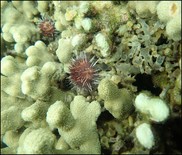
A group of unlikely restoration heroes reached an impressive milestone this summer: the 500,000th outplanted sea urchin is now working along with its companions to help struggling corals in Hawaii. Since 2011, in an effort to restore a coral reef off Oahu after a 2005 ship grounding, NOAA and partners have grown and released urchins to eat invasive algae.
|
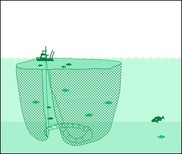
By August 30, please submit your comments on an interim final rule to implement a recent decision of the Western and Central Pacific Fisheries Commission, of which the United States is a member. These regulations limit fishing effort for the U.S. purse seine fleet fishing in the western and central Pacific Ocean.
|
|
|
Southeast
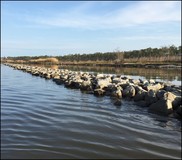
As part of NOAA’s work to restore the Gulf of Mexico’s natural resources following the 2010 Deepwater Horizon oil spill, we’re partnering with Mississippi, Alabama, and Florida to build living shorelines along the coast. Natural infrastructure solutions create new fish and wildlife habitat while protecting other coastal communities.
|
The South Atlantic Fishery Management Council, headquartered in North Charleston, is responsible for the conservation and management of fish stocks within federal waters off the coasts of North Carolina, South Carolina, Georgia, and east Florida. Applications for the position of Executive Director are due August 9.
|
|
|
Greater Atlantic
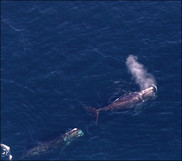
NOAA Fisheries established a voluntary vessel speed restriction zone south of Nantucket to protect a group of right whales sighted in the area on July 25. This zone is in effect through August 9.
|
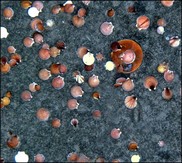
NOAA Fisheries and the New England Fishery Management Council are soliciting proposals for the 2020–2021 Sea Scallop Research Set-Aside Program. Through this program, researchers and fishermen partner to harvest awarded scallop allocations, and the proceeds are used to fund the research project and compensate the fishermen. Proposals are due September 20.
|
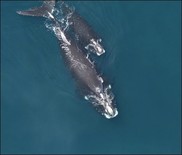
NOAA Fisheries is hosting a series of eight public scoping meetings as we prepare proposed modifications to the Atlantic Large Whale Take Reduction Plan. In particular, we seek information on operational challenges and costs to modifying gear. Meetings will be held August 8–21 in towns along the coast from Maine to Rhode Island.
|
|
|
Upcoming Deadlines
August 9: Applications due for Executive Director of the South Atlantic Fishery Management Council.
August 31: Applications due for open seats on New England Fishery Management Council advisory panels.
September 20: Proposals due for the 2020–2021 Sea Scallop Research Set-Aside Program.
|
|
Upcoming Events
August 1–September 10: Four public hearings on the proposed Atlantic Surfclam and Ocean Quahog Excessive Shares Amendment, hosted by the Mid-Atlantic Fishery Management Council.
August 1–September 30: Free tours every weekday at NOAA Fisheries’ Ted Stevens Marine Research Institute in Juneau, Alaska.
August 6 and 14: Two free Protected Species Safe Handling, Release, and Identification workshops in North Carolina and Florida.
August 7: Public meeting on the United Nations’ marine biodiversity beyond jurisdictions negotiations, hosted by the Department of State in Washington, D.C.
August 8–21: Public scoping meetings on modifications to the Atlantic Large Whale Take Reduction Plan in Rhode Island, Maine, New Hampshire, and Massachusetts.
August 12–15: Gulf of Mexico Fishery Management Council meeting in New Orleans.
August 13: In-person public hearing on a proposed rule for pelagic longline bluefin tuna, in Manteo, North Carolina.
August 13–15: Mid-Atlantic Fishery Management Council meeting in Philadelphia.
August 22: Free Atlantic Shark Identification workshop in Bohemia, New York.
September 11–18: Pacific Fishery Management Council meeting in Boise, Idaho.
|
|
|
|
|