Top Compounds Detected Within Samples Collected in June 2025
Total number of samples tested: 767
1. Fentanyl (51%)
2. Methamphetamine (35%)
3. 4-ANPP (24%)
4. Cocaine (17%)
5. Lidocaine (17%)
6. Acetaminophen (13%)
7. Medetomidine (11%)
8. Caffeine (10%)
9. Tetracaine (10%)
10. Quinine (8%)
Top Compounds Detected Within Samples Collected in June 2025 (West Coast and East Coast)
|
West Coast (n=241)
|
East Coast (n=523)
|
|
1. Methamphetamine (43%)
|
1. Fentanyl (49%)
|
|
2. Fentanyl (35%)
|
2. Methamphetamine (30%)
|
|
3. 4-ANPP (30%)
|
3. 4-ANPP (20%)
|
|
4. Acetaminophen (13%)
|
4. Lidocaine (20%)
|
|
5. Cocaine (13%)
|
5. Cocaine (19%)
|
|
6. Lidocaine (12%)
|
6. Medetomidine (19%)
|
|
7. Papaverine (7%)
|
7. Caffeine (15%)
|
|
8. Heroin (7%)
|
8. Tetracaine (15%)
|
|
9. Noscapine (5%)
|
9. Acetaminophen (13%)
|
|
10. Ketamine (3%)
|
10. Quinine (12%)
|
Numbers in parentheses are percentages of samples containing the listed compound, excluding samples where no compounds were detected.
Samples analyzed and included in this count are voluntary samples collected and provided by public health and harm reduction agencies from across the country. The trends observed in these samples may not be representative of broader trends within the United States drug supply. All testing was qualitative in nature. Determination of salt form or salt versus free base was not completed.
Recent Trends
Below are several graphs depicting trends from samples collected over the past three or six months. In the top graph, drug class and select individual compound prevalence are presented. For June, the total results (grey bar) are also broken out into West coast (yellow bar) and East coast (pink bar) sites. Note that in many instances there are multiple compounds identified in a single sample. Counts and percentages are preliminary and based on samples received by the date this newsletter is released. Data from prior months has been updated with results from any additional samples received.
The center group of graphs focus on co-detection of fentanyl with various compounds over the past six months. For each graph, the light grey bar represents the percentage of samples where fentanyl was not detected with the respective co-detected compound(s).
Of the samples collected in June, xylazine was detected in 9% of fentanyl containing samples and medetomidine was detected in 23% of fentanyl containing samples. A total of 5% of fentanyl samples contained both xylazine and medetomidine. Medetomidine was almost exclusively found in samples from East coast sites.
Local anesthetics† have been observed in fentanyl samples with increasing frequency over the past six months. In June, 55% of fentanyl samples contained at least one local anesthetic and 13% contained multiple local anesthetics.
†Local anesthetics included in this count are benzocaine, bupivacaine, butamben, lidocaine, procaine, ropivacaine, and tetracaine.
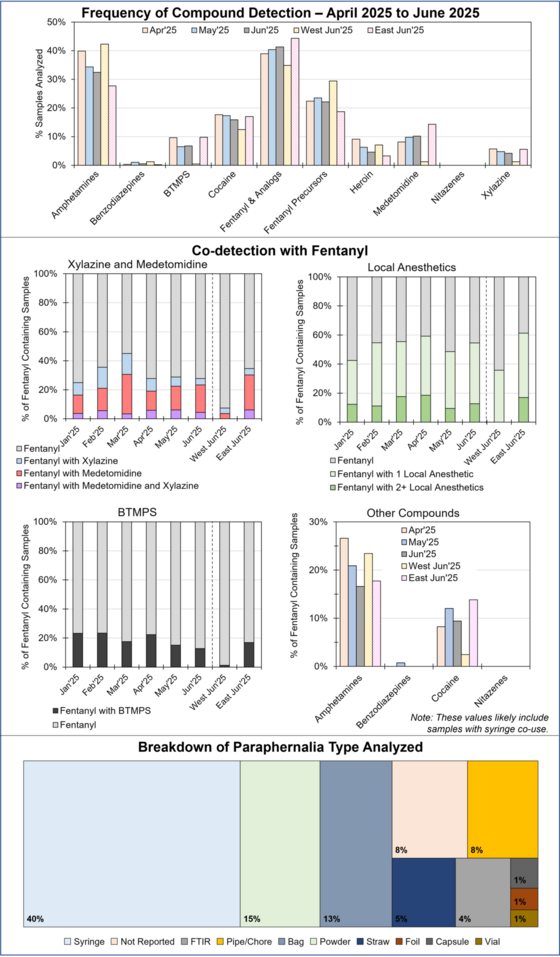 The industrial chemical BTMPS continues to be observed in the drug supply. In June, 13% of fentanyl samples contained BTMPS, a decrease compared to the 15% of fentanyl samples the month prior.
The bottom right co-detection graph shows the percentage of fentanyl samples that also contained amphetamines, benzodiazepines, cocaine, and nitazenes over the last three months. For June, the total results (grey bar) are also broken out into West coast (yellow bar) and East coast (pink bar). Note that many of the samples tested are used syringes where co-use of compounds cannot be ruled out, possibly inflating these values.
Finally, the bottom graph is a breakdown of the types of paraphernalia that were sampled and analyzed in June. Syringes accounted for approximately 40% of all samples and 43% of samples where the paraphernalia type was known.
New Compounds
In June, three new compounds were detected for the first time in RaDAR samples. Note that compounds discussed here are those that have been newly detected in RaDAR samples. This does not mean that it is the first identification of the compound in the illicit drug supply.
 |
|
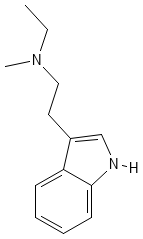
N-Methyl-N-Ethyltryptamine, a synthetic tryptamine, was identified in a single West Coast sample that contained 5-APB and 5-MAPB.
|
|
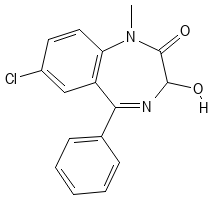
Temazepam, a benzodiazepine, was found in a single East Coast sample that also contained fentanyl, BTMPS, acetaminophen, and lidocaine.
|
|
 |
 |
|
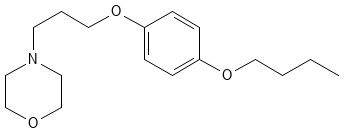
Pramoxine, a topical anesthetic, was found in a single East Coast sample that also contained acetaminophen, fentanyl, and tetracaine. |
RaDAR in the News
How the Federal Government is Tracking Changes in the Supply of Street Drugs.
"The National Institute of Standards and Technology's new harm reduction initiative is helping prevent needless deaths." Read More.
An Industrial Chemical is Being Mixed with Fentanyl in the U.S.
"An industrial chemical used in plastic products has been cropping up in illegal drugs from California to Maine, a sudden and puzzling shift in the drug supply that has alarmed health researchers..." Read More.
Recent Publications
Isomeric Determination of Medetomidine in Street Drug Samples (August 2024 – February 2025) and Implications for Immunoassay Test Strip Analysis
Over the last several years there has been an influx of α2-agonists into the street drug supply. This began with the proliferation of xylazine, a potent veterinary sedative. Since 2023, another sedative, medetomidine, has been widely detected. Medetomidine, broadly, encompasses two optical isomers – dexmedetomidine and levomedetomidine – with the dex- isomer being pharmacologically active and used in licit human formulations. In this work, we investigate street drug samples containing medetomidine to better understand their isomeric makeup in the illicit supply. Read More.
Characterizing rapid changes in the prevalence and concentration of key compounds in Philadelphia’s street opioid retail supply, March 2024-March 2025
The objective of this observational epidemiological study is to examine recent shifts in the street opioid supply of the largest U.S. open-air drug market, including changes in prevalence and concentration of key compounds. Read More.
The Detection of Xylazine in Tijuana, Mexico: Triangulating Drug Checking and Clinical Urine Testing Data
Xylazine is a veterinary anesthetic increasingly present alongside illicit fentanyl in the United States and Canada, presenting novel health risks. Although xylazine remains less common in the Western US, Mexican border cities serve as key trafficking hubs and may have a higher prevalence of novel substances, but surveillance there has been limited. Read More.
Development of an Optimized Extraction Method to Recover Drug Material from Used Test Strips for Comprehensive Drug Checking
Drug checking programs use point-of-need testing (e.g., test strips) and laboratory-based analysis to rapidly identify emerging drug threats, but each have limitations. Test strips are quick but have high specificity, whereas laboratory testing can identify more compounds but have lengthy turnaround times. To address these limitations, it was proposed that compounds could be extracted from used test strips for additional analyses allowing for rapid onsite information followed by comprehensive laboratory results. Read More.
Drug Detection, Analysis, and Monitoring Workshop Report
This report is a summary of a workshop convened to capture the analytical and data challenges inherent to the detection, identification, and monitoring of illicit drugs in the United States – specifically highlighting current practices, challenges, and opportunities for growth within communities. It systematically examines each stage of the analytical and data workflow, from sample recognition and collection to data dissemination, outlining opportunities to improve existing procedures and technologies. Read More.
|