|
A biweekly news digest from the
National Institute of Standards and Technology
|
|
APRIL 9, 2024
|
|
|
|
|
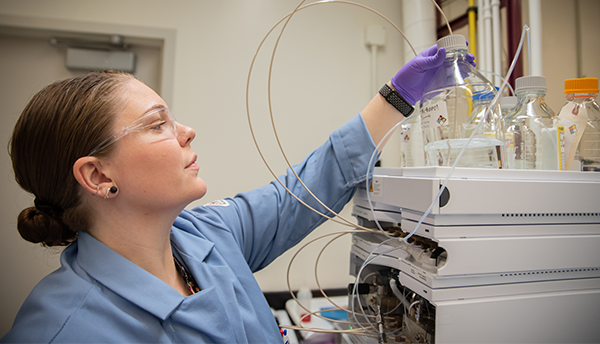
Finding Forever Chemicals Wherever They’re Hiding
NIST scientists are helping reveal tiny amounts of the ubiquitous synthetic chemicals called PFAS in our food, water, clothing and environment.
|
|
|
|
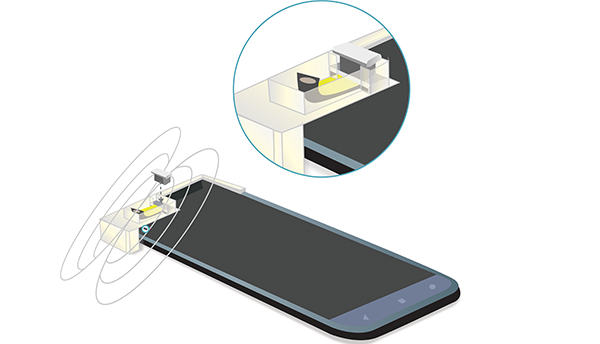
NIST Researchers Use Cellphone Compass to Measure Tiny Concentrations of Compounds Important for Human Health
Smartphones' magnetic sensors could be used to measure glucose, a key marker for diabetes, as well as other molecules and biomarkers.
|
|
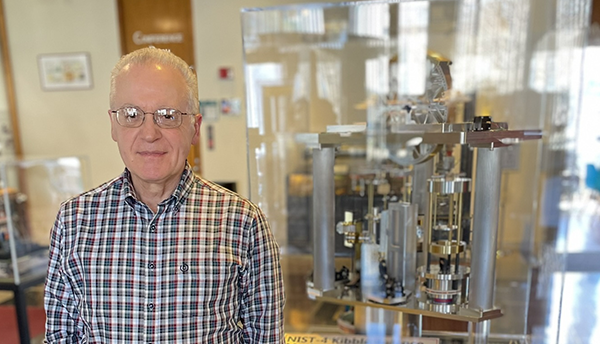
Listening to the Data: How a NIST Tool Helps Labs Worldwide Harmonize Measurements
In a global economy, measurements need to be reliably comparable across the world. But how do we ensure that actually happens?
|
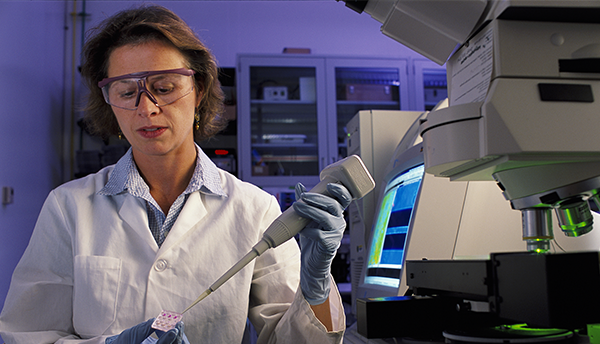 Women in STEM: Representation Matters
As a scientist and leader of technical organizations, NIST Director Laurie E. Locascio has seen the positive impact that diversity and representation have on science.
![Illustration shows firefighter helmet, glass of water, steak and lettuce, and a raincoat, and reads: HDYMI? PFAS [FOREVER CHEMICALS]](https://content.govdelivery.com/attachments/fancy_images/USNIST/2024/03/9183746/5339685/hdymi-pfas-v3-landingpage_crop.png)
|
How Do You Measure Forever Chemicals?
Researchers use a one-two punch of powerful chemistry techniques to measure PFAS compounds.
|
|


Frequency combs — specialized lasers that act like rulers to measure light — are now being brought down to a low-power, chip-scale form. NIST researchers David Long, Vladimir Aksyuk and their colleagues have developed frequency combs on a chip that can be integrated with other sensors, such as those for temperature and acceleration. Find out more on Instagram.
|
|
 |
|
MORE NEWS FROM NIST |
The grants of roughly $200,000 each will go to 18 education and community organizations in 15 states that are working to address the nation’s shortage of skilled cybersecurity employees.
|
|
|
|
 Batter up! Back in the 1950s, many baseball players and fans thought the curveball’s sideways movement was an optical illusion. To help settle this question, former NIST director and major baseball fan Lyman Briggs stepped up to the plate. See what he found in our video on YouTube.
|
For Good Measure
This issue highlights a much-studied NIST topic in recent years: “forever chemicals,” also known as PFAS, a class of synthetic compounds that persist for very long times in the environment. Created for useful purposes, from rain-repelling jackets to stain-resistant clothing, PFAS compounds have shown up in the Arctic and the ocean floor, and some have raised health concerns. Our PFAS feature explains how NIST researchers are helping scientists measure PFAS at very small levels in everything from water and firefighter gear to Great Lakes sediment. These measurements, and other NIST resources such as a PFAS database, will help scientists better detect these chemicals in our environment and understand their possible health effects.
—Ben P. Stein, Managing Editor
|