NIST Provides Update on Investigation Into the Collapse of Champlain Towers South
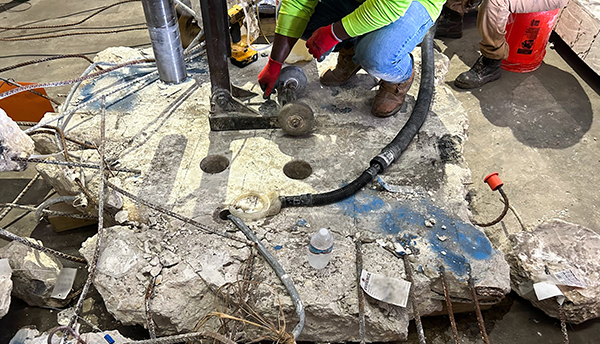 Today, in a meeting of the National Construction Safety Team (NCST) Advisory Committee, investigators from the National Institute of Standards and Technology (NIST) shared details of their investigation into the partial collapse of the Champlain Towers South building in Surfside, Florida. They highlighted preliminary evaluations of the data collected on site conditions and additional deviations from design in the construction of the building’s pool deck.
Shortly after the June 24, 2021, partial collapse of the Champlain Towers South building, NIST established a team to conduct a technical investigation into its cause. The NCST Act authorizes NIST to investigate building failures and recommend changes to building codes, standards and practices, with the goal of improving building safety nationwide. NIST’s role under the act does not include determining whether there was a criminal act or violation, and NIST does not determine any associated culpability.
|