New DNA Biosensor Could Unlock Powerful, Low-Cost Clinical Diagnostics
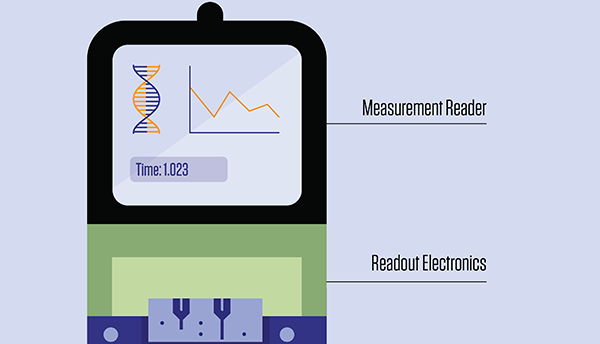 DNA can signal the presence of or predisposition to a slew of diseases, including cancer. The ability to flag down these clues, known as biomarkers, allows medical professionals to make critical early diagnoses and provide personalized treatments. The typical methods of screening can be laborious, expensive or limited in what they can uncover. A new biosensor chip that boasts an accurate and inexpensive design may increase accessibility to high-quality diagnostics.
The biosensor, developed by researchers at the National Institute of Standards and Technology (NIST), Brown University and the French government-funded research institute CEA-Leti, identifies biomarkers by measuring how binding occurs between DNA strands and the device. What sets it apart from other similar sensors is its modular design, which lowers costs by making it easier to mass produce and allowing the most expensive components to be reused.
|