|
A biweekly news digest from the
National Institute of Standards and Technology
|
|
NOVEMBER 9, 2022
|
|
|
|
|
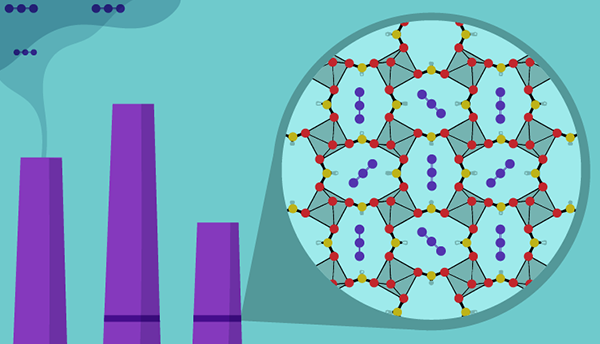
This Simple Material Could Scrub Carbon Dioxide From Power Plant Smokestacks
An easily synthesized chemical filter could stop greenhouse gas from reaching the atmosphere.
|
|
|
|
|
|
Entering a New Phase: NIST Technique Simultaneously Locates Multiple Defects on Microchip Circuits
The new method relies on a relatively inexpensive and common imaging tool, and may provide a new way to test the interconnected wiring of computer chips in factories.
|
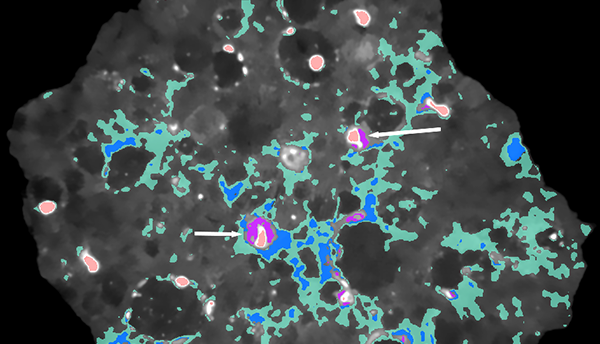 Research on the Rocks: Combining Neutrons and X-Ray Imaging, NIST Scientists Study Meteorites to Explore the Mystery of How Earth Acquired Its Water
The team is among the first to use the two imaging techniques simultaneously to create X-ray and neutron-beam snapshots of what's inside meteorites.
|
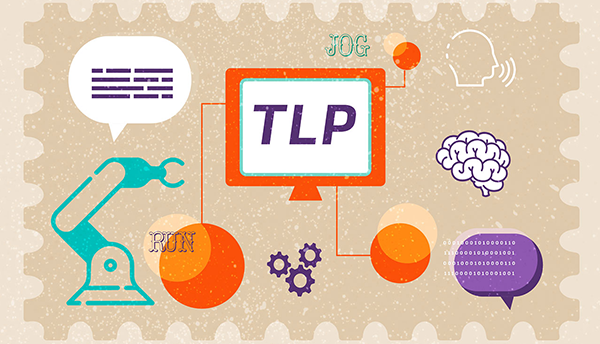
Teaching Computers to Read ‘Industry Lingo’ — Technical vs. Natural Language Processing
People are generally good at learning technical jargon. Computers, however, are not, and NIST researchers are stepping in to help.
|
|

This week, we show appreciation for the active-duty and veteran service members who make up part of the NIST workforce. Turn to Twitter and learn about a few of them.
|
|
 |
|
MORE NEWS FROM NIST |
Quantum computers still have a way to go before they reach their full potential, but for NIST physicist Manuel Castellanos Beltran, it’s an incredible goal to work toward.
A NIST researcher describes his work in helping scientists everywhere access powerful computational tools that have helped to advance an important branch of physics.
Thanks to University of the Basque Country, in Spain, public safety officials will now have access to more apps that help them do their jobs, and mobile device developers can have confidence that the devices they’re creating comply with important technical standards.
The first-of-its-kind standard could help communities improve their ability to weather disasters.
|
|
|
|
 NIST has been conducting research and developing guidance on cybersecurity for 50 years. This video timeline highlights some of our milestones during those five busy decades. For more details, check out the full timeline on our website.
|
For Good Measure
Superman may have X-ray vision, but so do scientists, and NIST also endows them with neutron vision. It’s good to have both kinds of vision: neutrons and X rays see different kinds of things inside objects, as our article on meteorites explains. Scientists from many different institutions have used the NIST Center for Neutron Research to better understand the inner workings of materials they’re studying, such as the new carbon-capturing material also featured in this issue. Neutrons can also provide insights into biological structures, such as the protective membranes that enclose each cell in our bodies, as well as liquids and gels, and exotic magnets. They have even been used to search for signs of a possible “fifth force” in nature.
—Ben P. Stein, Managing Editor
|