|
A biweekly news digest from the
National Institute of Standards and Technology
|
|
JUNE 22, 2022
|
|
|
 Seeking COVID’s Kryptonite
A collaboration between NIST and DHS reveals which wavelengths of UV light work best for COVID-19 virus disinfection.
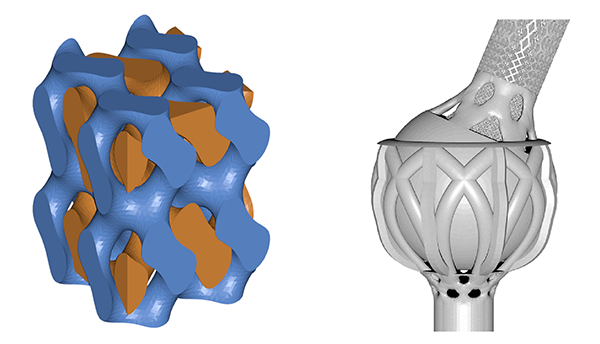
Updated Standard Provides Fundamental 3D-Printing Design Guidance to Streamline Production
NIST performed research for the updated standard, which was published by the American Society of Mechanical Engineers.
|

|
How Henrietta Lacks Changed My View of Human Cells as a Physicist
NIST physicist Greta Babakhanova explains how one person's life story gave her a new appreciation for her samples.
|
|
|
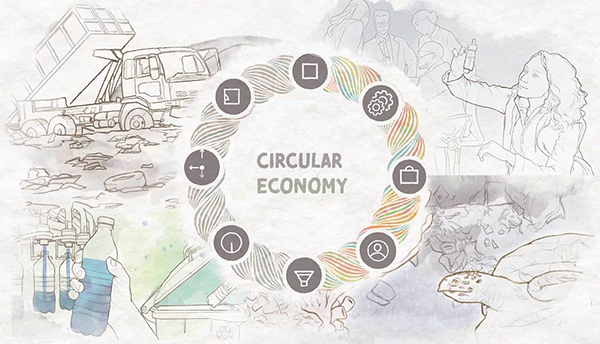
Improving Recycling, Tracking Mercury and Analyzing Kelp: A Sample of Eco-Friendly Research Featured on NIST Social Media
Preserving our planet's health is no small feat, and NIST researchers are tackling the challenge from all sides.
|
|
|
|
|
|
|


We're one step closer to quantum information networks, thanks to this tiny device with a trampoline at its center. Head to LinkedIn and learn about NIST's new transducer.
|
|
 |
|
MORE NEWS FROM NIST |
The NIST team investigating last year's partial collapse of the Champlain Towers South building in Surfside, Florida, is preparing to begin invasive testing and preparation of physical evidence collected from the collapse site.
The withdrawal “best serves the interests of innovation and competition,” conclude the three government bodies.
Tech transfer isn't always easy, especially when introducing a new technology into the manufacturing sector. But NIST researchers have an ally that makes the process less daunting — NIST’s Hollings Manufacturing Extension Partnership, also known as MEP.
NIST researchers and their colleagues have shown that tiny devices intended to be completely flat tend to buckle and bend, a finding that will help scientists better understand and control the design of future devices
|
|
|
|
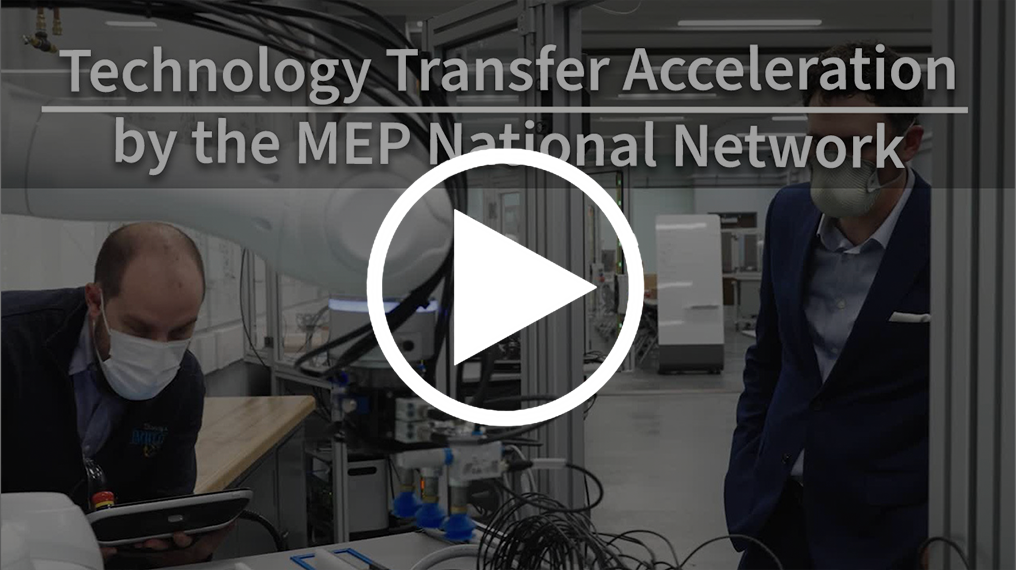 Technology transfer for the manufacturing sector can be a challenge, particularly for smaller manufacturers. That's where the MEP National Network comes in. Its state-based centers are hubs where small and medium-sized manufacturers can connect with government agencies, trade associations, universities, research laboratories and a host of other resources to help them grow and innovate.
|
For Good Measure
This latest issue features a video and blog post about how the Manufacturing Extension Partnership (MEP) helps accelerate the process of bringing laboratory inventions to the commercial marketplace. If you'd like to learn more about all that the national MEP network does to support the U.S. manufacturing industry, check out the main MEP website, and the NIST Manufacturing Innovation Blog.
–Ben P. Stein, Managing Editor
|