|
A biweekly news digest from the
National Institute of Standards and Technology
|
|
SEPTEMBER 21, 2021
|
Editor's Note
NIST researchers frequently make the most fundamental science useful for practical applications. In this installment of Tech Beat, you can learn how NIST scientists used neutrons to find out new things about silicon, the material that is used in most of the world’s electronic devices. In other work, researchers came up with a possible way to combat counterfeiting by depositing unique patterns of atoms on electronic devices. And in our new video, you can see how NIST scientists took advantage of lasers — and the properties of light itself — to create devices known as frequency combs that have an incredible number of applications, from improving atomic clocks to potentially detecting signs of disease in exhaled breath. Enjoy the issue!
—Ben P. Stein, Managing Editor
|
|
|
|
|
Draft California Fire Code Includes NIST Tool to Evaluate Wildfire Hazard
NIST's community fire hazard evaluation framework can help local officials improve planning and emergency response.
|
|
|
|
Groundbreaking Technique Yields Important New Details on Silicon, Subatomic Particles and Possible ‘Fifth Force’
By aiming subatomic particles known as neutrons at silicon crystals and monitoring the outcome with exquisite sensitivity, the NIST scientists were able to obtain three extraordinary results.
|
|
|
|
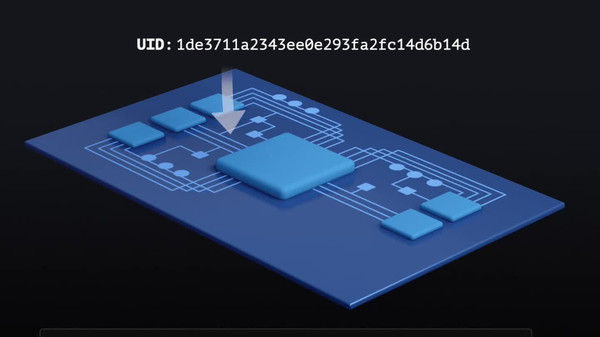
A Smart Use for Doping: Implanted Atoms Create Unique Electrical IDs That Distinguish Bona Fide Devices From Forgeries
NIST researchers have demonstrated a method that could electronically authenticate products before they leave the factory.
|
|
|

If there's a bug in your system, it's time to call NIST programmer Paul Black. Learn what fascinates him on LinkedIn.
|
|
 |
|
EVENTS |
The Organization of Scientific Area Committees (OSAC) works to strengthen forensic science by facilitating the development of technically sound standards and promoting their use. This free online event, on Sept. 29 from 1 p.m. to 4:30 p.m. EDT, will feature presentations from OSAC's leaders and an opportunity to ask questions and provide feedback. Register now.
 |
|
AWARDS AND HONORS |
|

The prize committee cited him for “outstanding contributions to the invention and development of the optical lattice clock, which enables precision tests of the fundamental laws of nature.”
|
|
|
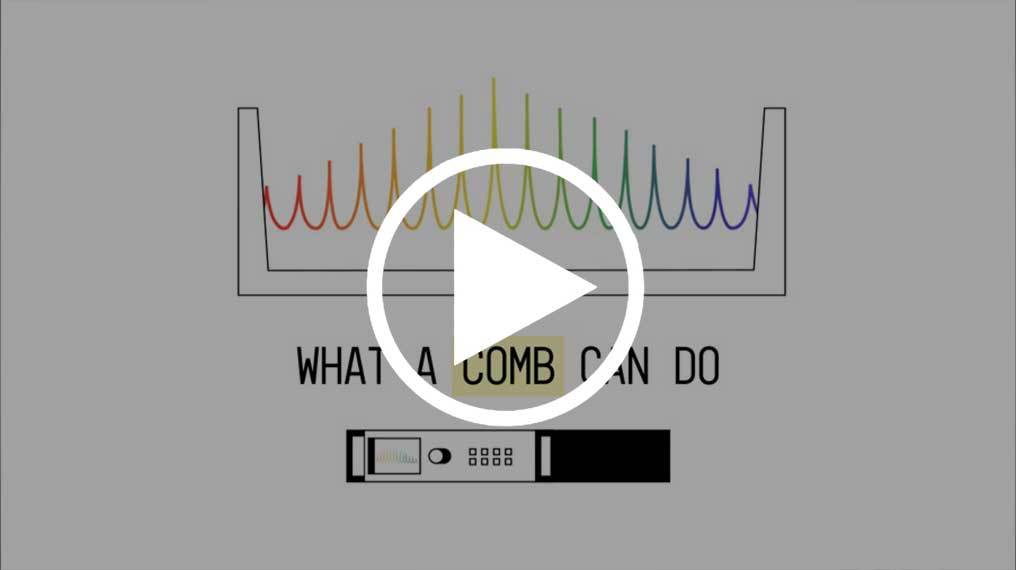 By making a simple measurement, the optical frequency comb has changed science. So what can a comb do? A lot — and the possibilities are constantly expanding. Learn more in our new video.
|