|
|
A Biweekly News Digest From The
National Institute of Standards and Technology
September 20, 2017
|
|
|
|
|
|
The technique could benefit the biofuels and bioplastics industries and can be used to monitor greenhouse gas emissions in areas large and small.
|
A just-released standard reference material can enhance results of the C-reactive protein test.
|

18th-century pirates may have inadvertently delayed the U.S. adoption of the metric system by nearly 100 years.
|
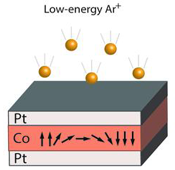
Potential future applications include creating and improving magnetic memory in consumer electronics.
|
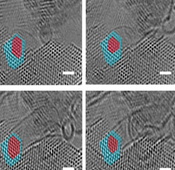
Lights, camera, catalysis! New atomic-scale movies show there is more to catalysts than what is on the surface.
|
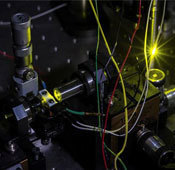
NIST scientists have achieved a world record in detecting the intensity of an ultra-faint source of light, which could prove useful in shuttling data in future quantum computers.
|
 |
|
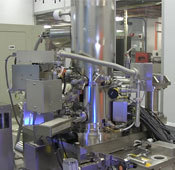
A high-end electron beam machine that can etch tiny structures could help develop new tools for applications from quantum-information processing to cancer treatment.
|
|
|
|
On October 5, 2017, at NIST’s campus in Gaithersburg, Maryland, stakeholders in the research, development and commercialization of quantum technologies will convene to discuss and address challenges for the field. Registration is free, and closes on September 28, 2017.
The Community Resilience Panel for Buildings and Infrastructure Systems, co-sponsored by NIST, will hold its fifth meeting on October 26-27, 2017, in Minneapolis, Minnesota. There is no registration fee and the meeting is open to the public. Registration closes on October 19, 2017.
|
|
|
|
FEATURED WEB CONTENT
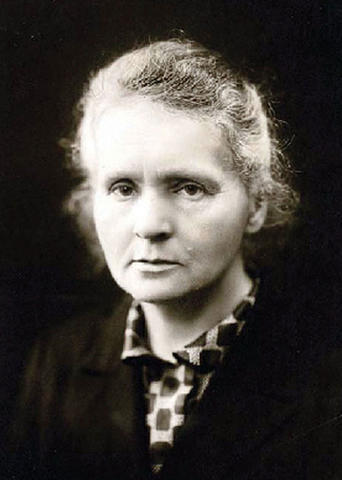
In this September 2017 update to the NIST and the Nobel microsite, learn how NIST researchers beyond our five recipients have contributed to Nobel prizes and laureates, from Marie Curie's radium samples to the improved detection of chemical weapons.
|
|