|
PEPH Network Friends,
With the growing awareness of PFAS, the PEPH Resource Center team would like to share several resources from our community that help break down the complexity of PFAS and speak directly to certain populations – firefighters, physicians, and parents, for example. Also included is an online course from the University of Washington on using accessible language in scientific communication which is helpful both for PFAS and many other environmental concerns.
The PEPH Resource Center team also wants to let you know that our normal technical advisor, William McLean, is currently out on extended leave. In his absence, we ask that you contact Dylan Williams (dylan.williams@nih.gov) for all your technical needs – such as problems accessing the PEPH Resource Center or establishing new member accounts.
We are always looking for new materials. This time we are looking for materials on lead (Pb), as well as materials on nutrition. No better time than the present to share your materials!
|
|
|
Featured Material: PFAS Research, Education, and Action for Community Health (PFAS-REACH) Exchange Hub
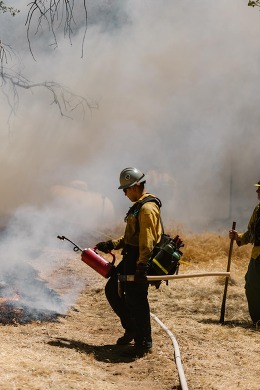
NIEHS-funded PFAS-REACH, a collaborative project among Northeastern, Michigan State University, and the Silent Spring Institute, has developed a series of fact sheets covering PFAS exposure, health monitoring, and occupational concerns for firefighters.
Supplementing these fact sheets is a hub of information on PFAS’ ubiquitous presence in our environment, including an interactive map of PFAS contamination sites and engaging quiz modules.
If you found any of PFAS-REACH’s resources helpful, share your comments in the Resource Center!
|
|
|
Featured Material: PFAS Community Resource Page
North Carolina State University (NC State) hosts a repository of fact sheets, research summaries, and infographics that educate readers on the presence of PFAS in the environment. Including resources produced by PFAS REACH, this hub is a testament to the power of collaboration as it leverages the collective work of research communities and allows individuals to visit a “one-stop shop.”
Resources include information on PFAS water testing, carcinogenic concerns, and endocrine disrupting potential. Many of the included materials can be found across the PEPH RC, but NC State has done the work of compiling these for easy reference.
Let NC State know what you think of their hub in the Resource Center!
|
|
|
Featured Material: Using Accessible Language
The University of Washington has developed a training course on using accessible language. This training is the first in a three-part science communication training series, emphasizing the necessity of using plain language to reach diverse audiences.
The training specifies that when speaking to someone outside of a technical discipline, it should be presented in a way that would be understandable for a middle school student. Using accessible language makes science more approachable and gives people the tools to comprehend topics such as environmental health.
If you have any feedback for UW, share it in the comments on their Resource Center entry!
|
|
|
NIEHS SRP PFAS Site Characterization Webinar Series
To supplement the resources shared, NIEHS’ Superfund Research Program is currently conducting a webinar series, “Tools for PFAS Site Characterization.” Available online is an archive of the first two sessions, but registration is still open for the third and final session, information below:
PFAS Reference Materials, Libraries, and Passive Sampling November 8, 2:00 – 4:00 PM ET. The final session in this series will include federal and SRP researchers featuring useful resources that can aid in site characterization. Topics will include efforts by National Institute of Standards and Technology (NIST) to develop reference materials for PFAS, tools for identifying emerging PFAS (including non-target analysis techniques and FluoroMatch software), and rapid and effective methods to assess and predict PFAS concentrations in the environment and biological tissue. Speakers include:
-
Jessica Reiner, Ph.D., National Institute of Standards and Technology
-
Jackie Bangma, Ph.D., U.S. Environmental Protection Agency
-
Jitka Becanova, D., University of Rhode Island
-
Moderator: Suramya Waidyanatha, Ph.D., Division of Translational Toxicology, NIEHS
Also of interest may be the upcoming Fall 2023 Meeting of the Federal Remediation Technologies Roundtable (FRTR) on “Recent Advances in PFAS Characterization Technologies” to be held November 7, 2023, from 8am – 5pm ET both virtually and in person at the USGS in Reston, VA. If interested in viewing the draft meeting agenda, logistics, and presentations for download, and online meeting information, click here.
|
|
|
Call for Materials on Lead (Pb)!
It is Lead Awareness week. Has your project developed materials to raise awareness about Pb and its health effects? Perhaps you collaborated with another institution, community partner, or agency to create materials that engage diverse audiences. If so, please submit your materials today!
Add your Pb-related materials to the Resource Center today!
Submit Your Nutrition-Related Materials!
Choosing more nutritious foods, such as those high in nutrients, may help protect the body from the negative effects of pollution. The PEPH Resource Center team is aware that a few NIEHS-funded projects are looking at this connection. Have you created materials related to the importance of proper nutrition?
If so, submit them to the Resource Center today!
If you have any questions about your account, uploading your materials, or liking and commenting on a material, contact Dylan Williams at dylan.williams@nih.gov.
In Health
Liam
|
|
|
|
|