|
PEPH Network Friends,
Summer is a time for leisure and vacations; however, as climate-related events increase in frequency and volatility, more than just our summer plans are threatened – these events can affect our health and safety. Fortunately, several of our PEPH network members have developed fantastic resources for their communities that can be shared or leveraged to help raise awareness of these complex issues and offer protective strategies and/or technologies.
This month, we highlight a fact sheet on the benefits of using air purifiers as well as a webpage detailing the ways to safeguard children during wildfire events. In case you missed it, we highlight previous wildfire smoke materials below. Remember to provide feedback to the material developers using the comments feature in the PEPH Resource Center.
Also, we are seeking out materials related to specific topics. Please be sure to scroll to the bottom of our email to learn what materials we would really like to see added to the Resource Center. Is there a topic you would like to see added? Let us know!
|
|
|
Featured Material: Protecting Children from Wildfire Smoke
Following the Canadian wildfire events, a lot of questions began circulating about how these mass-smoke events impact human health – especially that of our most vulnerable populations, including children.
Health experts at the Ichan School of Medicine at Mount Sinai developed a new webpage to explain the risks of wildfire smoke exposure posed to adolescents, tips to reduce the exposures, and references to other web resources (including those in Spanish).
Provide feedback! Let the Mount Sinai team know what you thought about the material and/or how you used it. Leave your comment in the Resource Center!
|
|
|
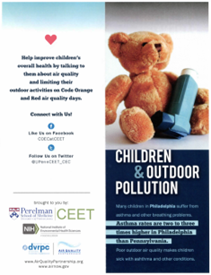
Featured Material: Children and Outdoor Pollution
The Air Quality Index (AQI) is a great metric for distilling complex air composition data into a numerical value. To help the general public understand AQI values, the University of Pennsylvania (UPenn) has a fact sheet calling attention to the risks of a high AQI.
The fact sheet also includes additional resources to support AQI understanding and the ways to safeguard human health – specifically the health of children.
Provide feedback! Let the UPenn team know your thoughts in the Resource Center, especially if you find this information helpful!
|
|
|
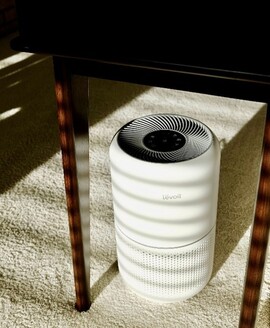
Featured Material: Maintaining a HEPA Air Purifier
The University of Washington (UW) has released a fact sheet on the benefits of using High Efficiency Particulate Air (HEPA) air purifiers. These purifiers are capable of trapping 99.97% of particulate matter including dust, mold, and bacteria.
The UW fact sheet details how these purifiers can be set up in homes, schools, or offices to improve the ambient air quality – with applications to combat airborne pathogens or wildfire smoke.
The fact sheet includes considerations to make when purchasing a HEPA air purifier and where you can find certified devices.
Provide feedback! Let the UW team know your thoughts in the Resource Center.
|
|
|
In addition to materials noted above, we wanted to remind you all of the following wildfire-related resources:
-
Wildfire Smoke & Your Baby, Infographic | Oregon State University
-
How to Make a Box Fan Air Filter, Infographic | UW Interdisciplinary Center for Exposures, Diseases, Genomics, and Environment (EDGE Center)
-
Wildfire Smoke Resources (Region 10) | UW EDGE Center
-
Wildfire Multimedia Continuing Education Module, certified via CDC/ATSDR | University of California, San Francisco – Western States Pediatric Environmental Health Specialty Unit
-
Wildfire Protective Tips Fact Sheet | Community Health: Addressing Regional Maryland Environmental Determinants of Disease Center
-
Coping with the Stress of Wildfire Smoke Fact Sheet | AirNow.gov
-
Wildfire Smoke and Children’s Health Podcast, in interview with Stephanie Holm, M.D., Ph.D. | NIEHS PEPH
|
|
|
Call for Materials!
We are very interested in materials related to:
- breast cancer,
-
vaping, and
-
training content for healthcare professionals.
So, before you pack up and head out of town for the summer, remember to submit materials to the Resource Center. We ask that these submissions be in by July 7th.
If you have any questions about your account, uploading your materials, or liking and commenting on a material, contact William McLean at william.mclean@nih.gov
In Health
Liam
|
|
|
|