|
Learn more about NIH CEAL’s Alliance for Community Engagement–Climate and Health |
|
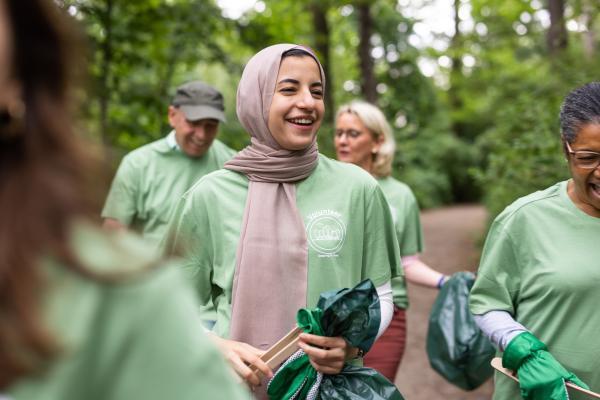 NIH’s Climate Change and Health Initiative funds four Alliance for Community Engagement–Climate and Health (ACE-CH) sites to develop community-driven, practical strategies addressing the impact of climate on those hardest hit by social determinants of health and health disparities. ACE-CH sites also assess community knowledge of the health effects of climate stressors and build partnerships with stakeholders.
This summer, the ACE-CH research team at the University of Southern California worked with the Public Allies of Los Angeles on a fun and engaging workshop about air pollution and participatory air monitoring. They distributed infographics about extreme heat and discussed with participants how heat interacts with pollution in the area.
|
|
Celebrate Black History Month
HHS resources
This Black History Month (BHM), the HHS Office of Minority Health (OMH) is celebrating by acknowledging the role Black and African Americans have played in enhancing the health and well-being of all Americans. OMH has curated a list of online resources that include action plans, free e-learning programs to help health care professionals provide culturally and linguistically appropriate services, and population profiles.
NIH CEAL observes Black History Month
Throughout the month, NIH CEAL will be spotlighting programs that engage with and support Black communities through research and partnerships. Follow along on social media as we highlight how CEAL programs are working to reduce health disparities and improve the health of Black and African Americans in their communities.
|
|
National Institute on Minority Health and Health Disparities career development program now accepting applications
The National Institute on Minority Health and Health Disparities (NIMHD) Health Disparities Research Institute will be accepting applications for early-career minority health and health disparities research scientists through March 14, 2024. The in-person program includes lectures, small group discussions, mock grant review, and seminars.
|
|
RECOVER provides Long COVID research updates
Recruitment materials
RECOVER (Researching COVID to Enhance Recovery) is an initiative funded by NIH to understand why some people are sick for a long time after their COVID infection, and why others get better quickly. RECOVER studies have a diverse group of participants, including adults, pregnant people, and children. RECOVER is focusing on enrolling children and young adults through the end of the year. You can find recruitment materials to share with community members below.
Research summaries
The research summaries provide key findings on RECOVER’s Long COVID research. Below you'll find how the research was conducted, what researchers found, and what the findings might mean for people who suffer from Long COVID.
|
|
Events and Key Conversations
CEAL events promote community engagement and inclusion in research. These key conversations, including town halls and panel discussions, can also be found on our Events Page.
|
|
NCPCR Learning Series: Population Health and Advocacy — Promoting Health Equity
February 28, 12 p.m. ET | Register here
Join the Network for Community-Engaged Primary Care Research (NCPCR) webinar to learn about effective processes for promoting health equity and how providers, community organizations, health system leadership, and policymakers can advocate for and promote health across communities.
|
|
Impact of Climate Change on Alaskan Natives
March 15, 2 p.m. ET | Register here
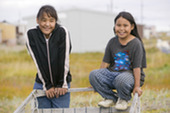
The National Environmental Health Association will host a webinar highlighting the environmental health impacts of climate change on Alaskan Natives. Topics include food sovereignty/food safety, mental and behavioral health, cultural and spiritual practices, resilience and adaptation, and how local Alaskan organizations are addressing these impacts.
|
|
|
|