| New from NCI |
| Precision Prevention: Predicting and Intercepting Your Cancer |
 |
|
A precision approach to preventing cancer could limit suffering and death for those at risk and help others avoid tests and treatments that aren’t needed. This section of the NCI Annual Plan & Budget Proposal for Fiscal Year 2023 describes how a greater investment will help move personalized prevention forward. |
| Understanding Cervical Changes: A Health Guide |
 |
|
This updated publication explains cervical cancer screening, such as when to get screened and the next steps after you receive your test results. The guide is available in PDF and e-book formats. |
| Does Too Much Fructose Help Colorectal Cancers Grow? |
 |
|
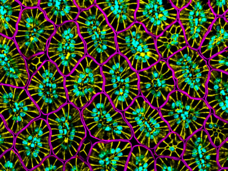
A new study in mice suggests that too much fructose can promote obesity and colorectal cancer. The study found that the sweetener increased how long normal and cancer cells in the intestines live. |
Economic Burden of Cancer Care for Patients
Part 2 of the latest Annual Report to the Nation on the Status of Cancer finds that cancer patients in the United States shoulder a large amount of cancer care costs. Learn more about the types of costs people with cancer face and how costs differ based on cancer site, stage of disease at diagnosis, and phase of care. |
| Technologies Advancing Progress against Cancer |
 |
|
Learn more about how innovations like telehealth, cryo-EM, the Infinium assay, and robotic surgery are changing the way we understand and treat cancer. |
Immunotherapy Approved for Some People with Lung Cancer
Atezolizumab (Tecentriq) is the first immunotherapy approved by the Food and Drug Administration for use as an adjuvant treatment for some people with non-small cell lung cancer. |
Studies Delve Deep into the Protein Machinery of Cancer Cells
A research team has identified common interactions between proteins in cancer cells. They also created a map of how these protein complexes function in those cells. |
Ibrutinib Improves Survival for Younger People with Diffuse Large B-cell Lymphoma
NCI researchers have found that adding the targeted drug ibrutinib (Imbruvica) to standard chemotherapy can improve how long some younger people with a specific form of diffuse large B-cell lymphoma live. The findings come from a new analysis of a completed phase 3 clinical trial.
|
| PDQ Updates |
Anal Cancer Treatment
We’ve revised our page on the treatment of anal cancer with updated information about immunotherapy as a treatment option. |