|
Click here to view in browser.
|
|
U.S. Department of Health & Human Services / National Institutes of Health
|
|
|
|
|
-
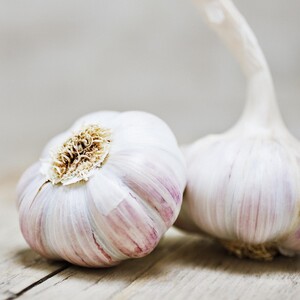
Garlic is the edible bulb from a plant in the lily family. It was traditionally used for health purposes by people in many parts of the world.
-
Currently, garlic is most commonly promoted as a dietary supplement for conditions related to the heart and blood vessels, including high blood cholesterol and high blood pressure.
-
A great deal of research has been done on garlic, especially on its effects on cholesterol and blood pressure.
-
Although there’s some conflicting evidence, the most reliable results suggest that garlic supplements may reduce total cholesterol and low-density lipoprotein (LDL) cholesterol to a small extent in people who have high levels of these lipids.
-
Garlic supplements may be helpful for high blood pressure, but the evidence is limited.
What Do We Know About Safety?
-
Side effects of garlic include breath and body odor, heartburn, and upset stomach. These effects can be more noticeable with raw garlic.
-
Taking garlic supplements may increase the risk of bleeding. If you take an anticoagulant or if you need surgery, tell your health care provider if you’re taking or planning to take garlic supplements.
-
Garlic supplements may interfere with the effectiveness of some medicines.
|
|