|
Click here to view in browser.
|
|
|
|
|
|
|
Background
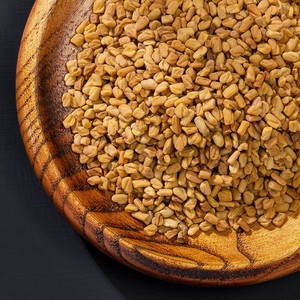
- Fenugreek is a clover-like herb with seeds that smell and taste like maple syrup. It’s used as an ingredient in spice blends and a flavoring agent in foods, beverages, and tobacco.
- Fenugreek is promoted as a dietary supplement for diabetes and other conditions and to stimulate milk production during breastfeeding.
How Much Do We Know?
- There’s little high-quality evidence about the effects of fenugreek on health conditions, but there is information on its harmful effects.
What Have We Learned?
- A small number of studies have suggested that fenugreek may help lower blood sugar levels in people with diabetes or prediabetes, but most of these studies were not of high quality.
- Studies on fenugreek’s effects on milk supply in breastfeeding women have had mixed results.
What Do We Know About Safety?
- Fenugreek is believed to be safe in the amounts commonly found in foods. Larger doses may not be safe, however. Side effects including diarrhea and nausea may occur, large doses may cause a harmful drop in blood sugar, and cases of liver toxicity have been reported.
- Children and pregnant women should not use fenugreek in amounts greater than those found in food. Little is known about whether it’s safe to use fenugreek in amounts greater than those found in food while breastfeeding.
|
|