|
Note to Subscribers: Thank you for subscribing to our "Dietary Supplements" topic. We are pleased to announce that, starting next week, we will be expanding this topic to “Natural Products Information.” You will continue to receive all the same great info on dietary supplements, plus more! Natural products can include substances from various natural sources such as plants and marine organisms, as well as complex mixtures from these products and the isolated compounds derived from them. This includes vitamins, minerals, probiotics, and special diets for medical conditions or health outcomes.
Background
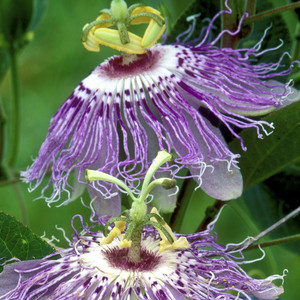
Native peoples of the Americas used passionflower as a mild sedative. Sixteenth-century Spanish explorers learned about passionflower in Peru.
Today, passionflower is used as a dietary supplement for anxiety and sleep problems, as well as other conditions such as pain and menopause symptoms.
How Much Do We Know?
Passionflower’s effect on anxiety and other conditions hasn’t been studied extensively.
What Have We Learned?
Some older research suggested that passionflower and two anxiety-reducing drugs might have similar effectiveness, although the small number of studies didn’t allow clear conclusions to be drawn. A more recent review suggests that most passionflower studies have serious flaws and therefore do not support its use.
What Do We Know About Safety?
Passionflower is generally considered safe but may cause drowsiness. If you’re pregnant, you shouldn’t take passionflower.
|