|
There’s evidence that people who are naturally more mindful tend to experience less pain, perhaps because they accept pain more easily and don’t spend as much time thinking and worrying about it. A recent study supported by NCCIH may help to explain why this is true.
In the study, healthy people who had no experience with meditation completed a test of innate mindfulness. They also participated in two sessions in which they received a series of brief, harmless, but sometimes uncomfortable heat stimuli to the lower leg while positioned in an MRI scanner. The participants rated the unpleasantness of the heat and the intensity of the pain they felt, and changes in blood flow in the brain were recorded.
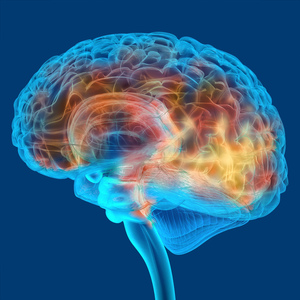
Individuals with higher mindfulness (that is, a greater ability to pay attention to the present moment without reacting to it) reported less pain. They also showed greater deactivation of a specific region of the brain during exposure to uncomfortable heat. This brain region is involved in attention and subjective emotional responses to sensations. It plays a role in how people react to what they’re experiencing.
The results of this study may be useful for the development of better approaches to pain management that specifically target increases in mindfulness and reductions in activity of the affected region of the brain.
|