|
Around this time of year, certain kinds of herbs, spices, and fruits are commonly used in holiday dishes and baked goods. Over the next few weeks, we will highlight some of these herbs/natural products and what the science says about their use for health purposes.
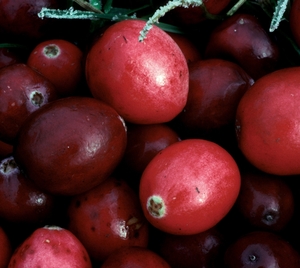
This week, we focus on cranberry, an evergreen shrub that grows throughout North America. The cranberry fruit plays a role in many families’ holiday meals, and it also has a history of being used for health purposes. Traditionally, cranberry was used for bladder, stomach, and liver disorders, among other conditions.
Today, cranberry is used as a dietary supplement primarily in an effort to reduce the risk of urinary tract infections (UTIs). There’s mixed evidence on whether cranberry supplements are helpful for this purpose.
Cranberry has not been shown to be effective as a treatment for an existing UTI. If you think you may have a UTI, see a health care provider. Don’t use cranberry products in place of proven treatment or as a way of delaying treatment.
Drinking cranberry juice appears to be safe, although large amounts can cause stomach upset and may over time increase the risk of kidney stones. Large doses of cranberry may alter levels of warfarin, an anticoagulant (blood thinner).
Remember to download the NCCIH HerbList™—an app for research-based information about the safety and effectiveness of more than 50 herbal products!
|