|
Sign up below to keep receiving regular updates this year:
COVID-19 Omicron Variant:
What You Need to Know
We have the Tools to Fight Omicron
Vaccines
Vaccines remain the best public health measure to protect people from COVID-19, including severe illness, hospitalizations, and death. Vaccines also help to slow transmission and reduce the likelihood of new variants emerging. The Centers for Disease Control and Prevention (CDC) recommends:
-
Everyone 5 years and older protect themselves from COVID-19 by getting fully vaccinated.
-
Everyone ages 12 years and older should keep up-to-date with a booster shot at least:
-
Two months after their initial J&J/Janssen vaccine
-
Five months after completing their Pfizer-BioNTech vaccine series
-
Six months after completing their primary Moderna vaccine series
Masks
Masks offer protection against all variants. The CDC recommends:
- Continuing to wear a mask in public indoor settings in areas of substantial or high community transmission, regardless of vaccination status.
- Following advice about masks for people who want to learn more about what type of mask is right for them depending on their circumstances.
Testing
Tests can tell you if you are currently infected with COVID-19:
- Individuals can use the COVID-19 Viral Testing Tool to help determine what kind of test to seek.
- Visit your state, tribal, local, or territorial health department’s website to look for the latest local information on testing.
-
Self-tests can be used at home or anywhere, are easy to use, and produce rapid results.
- If your self-test has a positive result, stay home or isolate for 10 days, wear a mask if you have contact with others, and call your healthcare provider.
You can Partner with your Community Health Center for COVID-19 Test Kits!
As part of the Biden Administration's “Path Out of the Pandemic” COVID-19 Action Plan, HHS will make at-home COVID-19 test kits available to Community Health Centers, including Federally Qualified Health Centers (FQHCs).
Community Health Centers who choose to participate in the program will be able to request supplies on a regular basis to deliver at-home COVID-19 tests to their patients and their community partners to ensure COVID-19 tests are made available to populations and settings in need of testing, especially populations at greatest risk from adverse outcomes related to COVID-19.
You can reach out to your local community health center for more information about the availability of COVID-19 testing and vaccinations.
CDC Recommends Pfizer Booster for Everyone Ages 12+ after 5 Months
This week, the CDC expanded eligibility of booster doses to those 12 to 15 years old. CDC now recommends that adolescents ages 12+ should receive a booster shot 5 months after their initial Pfizer-BioNTech vaccination series.
Data show that COVID-19 boosters help broaden and strengthen protection against Omicron and other SARS-CoV-2 variants. ACIP reviewed the available safety data following the administration of over 25 million vaccine doses in adolescents; COVID-19 vaccines are safe and effective.
At this time, only the Pfizer-BioNTech COVID-19 vaccine is authorized and recommended for adolescents ages 12—17.
CDC Updates COVID-19 Isolation & Quarantine Recommendations
Quarantine vs. Isolation
-
Quarantine when you might have been exposed to the virus and may or may not have been infected.
-
Isolate when you are sick or when you have been infected with the virus, even if you don’t have symptoms.
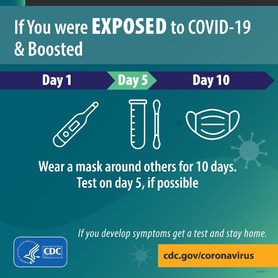
Who needs to quarantine?
If you came into close contact with someone with COVID-19 and you are in one of the following groups, you do NOT need to quarantine:
|
CDC Recommends Additional COVID-19 Vaccine Dose for People Immunocompromised Ages 5+
This week, the Centers for Disease Control and Prevention (CDC) updated its recommendation for when many people can receive a booster shot, shortening the interval from 6 months to 5 months for people who received the Pfizer-BioNTech COVID-19 Vaccine.
This means that people can now receive an mRNA booster shot 5 months after completing their Pfizer-BioNTech primary series. The booster interval recommendation for people who received the J&J vaccine (2 months) or the Moderna vaccine (6 months), has not changed.
Additionally, consistent with our prior recommendation for adults, CDC is recommending that moderately or severely immunocompromised 5–11-year-olds receive an additional primary dose of vaccine 28 days after their second shot. At this time, only the Pfizer-BioNTech COVID-19 vaccine is authorized and recommended for children aged 5-11.
JOIN US: Special Omicron Webinar
Wednesday, January 19, 2022 @ 1pm ET
With the rapid spread of the COVID-19 Omicron variant, you are invited to join us for a special Omicron Update Webinar to learn more about the latest guidance from the Department of Health and Human Services (HHS), CDC, and more, including:
- Boosters and Additional Doses
- Tests (PCR, Rapid, and at-home)
- Masks and Social Distancing
- Quarantine & Isolation
- Preventing a "Flurona Twindemic"
2022 Health Plans for $10 or less! Open Enrollment ENDS January 15
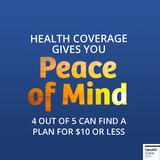
Does anyone in your community need health insurance? They may qualify for new, lower costs on Marketplace coverage!
They may be able to get more savings and lower costs on Marketplace health insurance coverage due to the American Rescue Plan Act of 2021:
- More people than ever before qualify for help paying for health coverage, even those who weren’t eligible in the past.
- Most people currently enrolled in a Marketplace plan may qualify for more tax credits.
- Health insurance premiums after these new savings will go down.
Four out of five people can find a plan for under $10 a month.
Open Enrollment ENDS Jan. 15, 2022! Sign up to #GetCovered in the new year!
|
A Flu Shot is the Best Way to Protect Against a "Flurona Twindemic" of Seasonal Influenza and COVID-19
Help protect your community from a COVID-19 and Influenza "flurona twindemic" this year! Flu remains a significant public health concern, and there is still time to get a flu vaccine—the only vaccine that protects against flu—to prevent illness and death.
Everyone 6 months and older should get a flu vaccine with rare exceptions. Vaccination is particularly important for people at Higher Risk of serious complications from influenza.
Flu vaccination has important benefits. It can reduce flu illnesses, doctors’ visits, and missed work and school, as well as prevent flu-related hospitalizations and deaths.
There are many vaccine options to choose from. CDC does not recommend any one flu vaccine over another. If you have questions about which flu vaccine to get, talk to your doctor or other health care professional.
Did You Know? Facts about the COVID-19 Vaccine for Children
Did you miss one of our Hot Shots! webinars?
You can view them ALL here:
December 1: Special White House Briefing on Youth Vaccines and Adult Boosters
November 9: Youth Vaccines and Adult Boosters
November 9: Lifting up More Families: Promoting the Child Tax Credit
October 27: Understanding the Numbers: COVID-19 among HUD-Assisted Families
September 29: COVID-19 Update: Fall 2021
September 1: Jab It Up with the Little Jab Book!
August 25: What's the Deal with Delta?
August 18: Mental Health Matters: Supporting Students for a Safe Return to School
July 28: Strong Families Summer Youth Extravaganza! Supporting Kids
July 27: Affordable Care Act: 2021 Special Enrollment Period
July 21: Cracking the Code: How Public Health Data can Boost your Vaccine Efforts
July 15: Flu Fighters: Don't You (Forget About the Flu)
July 14: Advance Child Tax Credit: What Families Need to Know
June 30: Vaccine Confidence: Behavioral Science Insights
June 25: Joining the White House Vaccine Initiative!
June 16: Ridesharing is Caring! Catching a FREE Ride to the Vaccine
June 10: Emergency Rental Assistance Programs: What You Need to Know
June 9: Summer Kickoff: National Vaccine Month of Action & HUD Strong Families
May 26: The Missing Link: Community Health Workers
May 19: Launching the Joint HUD-HHS Partnership to Expand Vaccine Equity
May 12: Health Center 101: Building Housing/Health Partnerships
April 28: HUD COVID-19 Vaccine Listening Session
April 21: A Vaccine Near You: Community-Based Access Strategies
April 14: Strategies for Promoting COVID-19 Vaccine Confidence
Share what's happening in your Community!
Looking for something?
|