Improving Adolescent Mental Health by Promoting Self-Care
Community organizations, governments, families and caregivers, employers, and young people can all be part of the solution to improve youth mental health. This can include addressing societal challenges, strengthening the resilience of young people, supporting families and communities, and mitigating the negative impacts of the COVID-19 pandemic.
Practicing self-care can help adolescents manage their own health and well-being. Self-care practices help people manage stress, regulate emotions, sustain energy levels, and avoid or treat illnesses. Adults can support adolescents in their daily lives by:
- Helping adolescents process and reflect on their thoughts and feelings, including journaling, creating art or music, and seeing a counselor.
- Assisting young people with staying organized to avoid stress, including creating a budget, using a productivity app, or color-coding learning materials.
- Encouraging relaxation to reduce stress symptoms including doing a deep breathing exercise, visualizing a calming place, or repeating affirmations.
- Maintaining or improving physical health, including doing yoga or other exercise, limiting screen use before bedtime, and trying a nutritious recipe.
- Suggesting activities that engage the brain, such as playing a word game, reading a book, or learning a new language or hobby.
- Nurturing healthy relationships, including having a regular family dinner, joining a school club, and learning a new dance with friends.
- Giving young people time for spiritual development, including doing a guided meditation, going to a place of worship, and spending time in nature.
Caring adults can facilitate positive self-care practices to help support the mental health of young people. Communities, schools, health care providers, and youth-serving professionals can support these practices by:
HHS Launches the Children and Youth Resilience Challenge
Promoting youth resilience is critical to avoiding long-term negative mental health outcomes. The HHS Children and Youth Resilience Challenge is intended to fund innovative community-led solutions to promote resilience in children and adolescents affected by the COVID-19 pandemic and other disasters. The Resilience Challenge is recognized as part of the President’s Unity Agenda and Mental Health Strategy. It will include a proposal phase and a pilot phase for selected finalists. Proposals are due Friday, July 7, 2023.
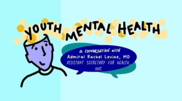
Young People Talked with ADM Levine about Mental Health
 |
|
In July 2021, OPA hosted the annual Teen Pregnancy Prevention (TPP) Grantee Conference. During the conference, HHS Assistant Secretary for Health, Admiral Rachel L. Levine, MD, and youth participants in OPA's TPP grantee programs discussed youth mental health. |
Share messages about National Adolescent Health Month
Please join us in celebrating NAHM by sharing our social media and newsletter messages during May. Don't forget to tag OPA on Twitter (@HHSPopAffairs) and use the NAHM hashtags in your posts: #NationalAdolescentHealthMonth and #HealthyYouthNAHM.
Tweets:
- This #NationalAdolescentHealthMonth, learn how organizations, families and caregivers, teachers, coaches, mentors, and young people can be part of the solution to improve youth #MentalHealth from @HHSPopAffairs. https://bit.ly/3GQ8KEm #HealthyYouthNAHM
- One way adults can support #MentalHealth is by sharing and facilitating self-care practices that young people can use in their daily lives to manage stress, regulate emotions, and more. https://bit.ly/3GQ8KEm #HealthyYouthNAHM #NationalAdolescentHealthMonth
Facebook/LinkedIn Post:
During National Adolescent Health Month™ (NAHM™), learn how adults can support mental health by sharing and facilitating self-care practices that young people can use in their daily lives to manage stress, regulate emotions, sustain energy levels, and prevent or manage illnesses. https://bit.ly/3GQ8KEm
Newsletter Blurb:
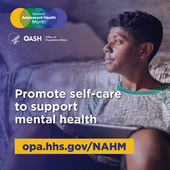
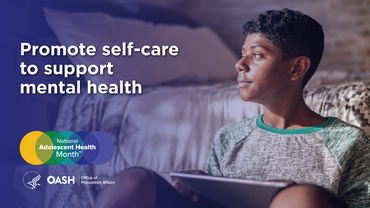
Promote self-care to support mental health
The COVID-19 pandemic put a spotlight on the importance of addressing mental health for today’s young people. During this week of National Adolescent Health Month™(NAHM™) learn how organizations, families and caregivers, teachers, coaches, mentors, and young people can all be a part of the solution to support and improve youth mental health.
|