 |
|
LifeLock agreed to settle charges that it
violated a 2010 FTC settlement order. According to the FTC, the company failed
to establish and maintain a comprehensive
information security program to protect people’s sensitive personal information
– including credit card, Social Security, and bank account numbers. The FTC
also alleges LifeLock falsely advertised that it protected people’s data with
the same safeguards as financial institutions, and that it would send alerts to
people as soon as they received any indication that they may be a victim of
identity theft. LifeLock is paying $100 million to provide refunds for people
affected by the company’s order violations.
|
 |
|
Lumosity agreed to settle FTC charges that
it made deceptive advertising claims for its online brain training games.
According to the FTC, Lumosity claimed its games were based on “proven
neuroscience research,” and could help improve memory, attention, problem
solving skills, and prevent age-related memory decline – including dementia and
Alzheimer’s disease. The FTC says there isn’t solid science showing that
Lumosity’s brain training games would sharpen memory or brain power. |
 |
|
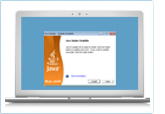
Oracle agreed to
settle FTC charges that it deceived people about the security of its Java
software updates. According to the FTC, for years, updating to a new version of
Java didn’t automatically remove all the old versions. Even after Oracle
changed this practice, Java updates removed only the most recent version, leaving
computers with multiple outdated versions. The issue? Earlier versions of Java
had serious security risks that hackers could exploit to steal login
information for people’s financial accounts, and to gather other sensitive
information. The settlement requires Oracle to notify users about the problem
and provide tools to fix it. |
 |
|
The FTC sued to block the proposed merger of two
Chicago-area hospitals, Advocate Health Care
Network and NorthShore University HealthSystem, charging that it would
create the largest hospital system in the North Shore area of Chicago.
According to the FTC, the combined entity would control more than 50 percent of
the general acute care inpatient hospital services, and likely result in higher
healthcare costs and fewer incentives to upgrade services and improve quality. |
|
"This settlement demonstrates the Commission’s commitment to enforcing the orders it has in place against companies, including orders requiring reasonable security for consumer data. The fact that consumers paid LifeLock for help in protecting their sensitive personal information makes the charges in this case particularly troubling."
— FTC Chairwoman Edith Ramirez
|
|
Two app developers, LAI
Systems, LLC and Retro Dreamer, agreed to settle FTC charges that they
created kid-directed apps that allowed third-party advertisers to collect
personal information using persistent identifiers – pieces of data tied to a
user or electronic device. According to the FTC, the app developers didn’t tell
the ad networks that the apps were directed to children, or require them to
follow COPPA requirements. The FTC says the companies didn’t notify parents or
get their permission before collecting and using kids’ information – another COPPA
requirement.
|
IN OTHER NEWS:
|
|
SHARE THIS:
-
#Flashback
to the FTC’s #topten #consumerprotection blogs from 2015! http://go.usa.gov/cRx6F #idtheft #impostor
#robocall #scam
-
Check in
with the #olderadults in your life. Protect them from #fraud #scams with these
#FTC tips. http://go.usa.gov/cRaaP
-
Affected
by #severeweather? Arm yourself against #scammers who use #weatheremergencies
to cheat people. http://go.usa.gov/cRa93
|




