|
|
|
|

The New York Fed's Quarterly Report on Household Debt and Credit found that total household debt rose by $85 billion to reach $14.64 trillion in the first quarter of 2021. Mortgage balances grew by $117 billion. Notably, credit cards balances declined by $49 billion—the second largest quarterly decline in the history of the series, which dates back to 1999. In a separate blog post, New York Fed researchers found that credit card balances continued to decline for older borrowers, possibly reflecting the differing responses to coronavirus risks, as younger people have begun to resume their outside activities while older people were more likely to remain cautious.
|
|
 |
|
In the latest installment of the Economic Inequality Research Series, New York Fed researchers held an online press briefing to discuss blogs focused on mortgage forbearance in COVID-19. The series explores who has entered mortgage forbearance, how their personal finances have developed during the course of the pandemic, and the profiles of those who remain in forbearance and those who have exited, and how the performance of household credit may evolve overtime. New York Fed researchers found that borrowers living in the lowest income areas were more likely to have ever entered forbearance, while borrowers with the highest pre-pandemic credit scores were least likely to ever enter forbearance. "How borrowers who have taken advantage of forbearance in the past year recover will depend on many factors, as economic conditions and policy measures evolve," the authors wrote.
|
|
|

Speaking at the Women in Housing and Finance 2021 Annual Symposium, President Williams discussed the economic outlook for the U.S. and global economies and what this means for the Fed's policy response to achieve a robust and full recovery. He noted that with "accommodative financial conditions, strong fiscal support, and widespread vaccinations" he expects that this year's economic growth will be the fastest since the early 1980s. Although the economic outlook has improved, President Williams also noted that the current data and conditions are not enough for the Fed to pull back on its strong monetary policy support. "Although we still have a long road ahead of us to achieve a robust and full recovery, with strong support from monetary policy, I am confident we will reach our destination," he concluded.
|
|
|
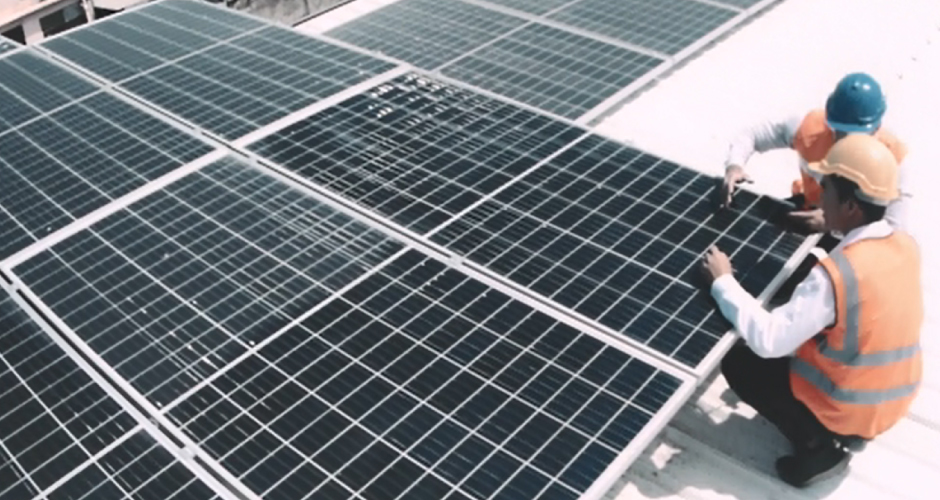
In collaboration with the Carsey School Center for Impact Finance at the University of New Hampshire, the New York Fed’s Community Development team gathered solar industry stakeholders, project developers, and members of the financial sector in a discussion to identify how Community Financial Institutions can finance solar installations in low-income communities and communities of color. With panelists from leading industry and academic groups, including Jahi Wise, Senior Advisor on Domestic Climate Policy Office for the White House, the plenary session sought to identify capital needs across low-income solar finance, policy barriers to scaling low-income solar development, and to engage a broad group of stakeholders.
|
|
|

In the New York Fed's fourth web series on culture, panelists discussed the role of organizational purpose in building healthy cultures, the ways that rising employee activism affects organizational culture, and the increased demand for corporations to engage on contemporary social issues with a broader group of stakeholders. With opening remarks from President Williams, panelists included both industry leaders from Mastercard, Purpose, and a leading career and workplace author. In opening remarks, President Williams reiterated that a critical part of organizational values is having a strong sense of purpose or a "North Star."
|
|
|
|
|
|
|
|
|
|
|
|
|
|