|
|
|
|
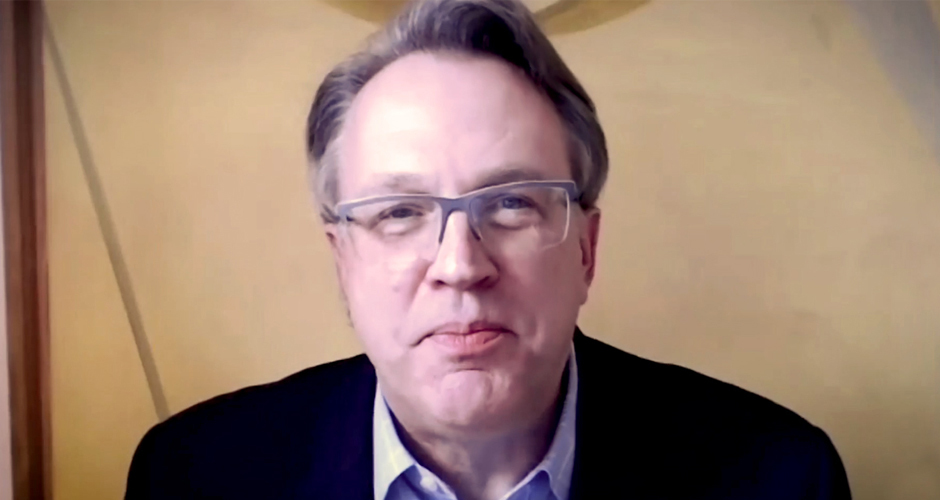
In a speech to regional stakeholders, President Williams described the profound effects the coronavirus pandemic has had on the local, national, and global economy and the Fed’s response to help support households and business. He described the diversity of New York State’s economy, and spoke about the millions of workers in industries such as tourism, manufacturing, and retail, who have faced reduced hours or wages. “As social distancing measures are relaxed, we will get a better understanding of how different industries are affected,” he said. “What we don’t know is what the shape or timescale of the recovery will be,” he said, but told listeners that “you can be assured of one thing: our unwavering commitment to limit the economic damage from the pandemic and foster conditions for a strong and sustained recovery.”
|
|
 |
|
The latest Survey of Consumer Expectations showed considerable deteriorations in households' expectations about their personal financial conditions and employment prospects. In April, the perceived probability of losing one's job reached a new series' high for the second consecutive month. Expected earnings, income, and spending growth each reached series' lows. The perceived and expected availability of credit worsened. Median inflation expectations for one- and three-years out increased slightly, but both uncertainty and disagreement between respondents about future inflation have increased.
|
|
|
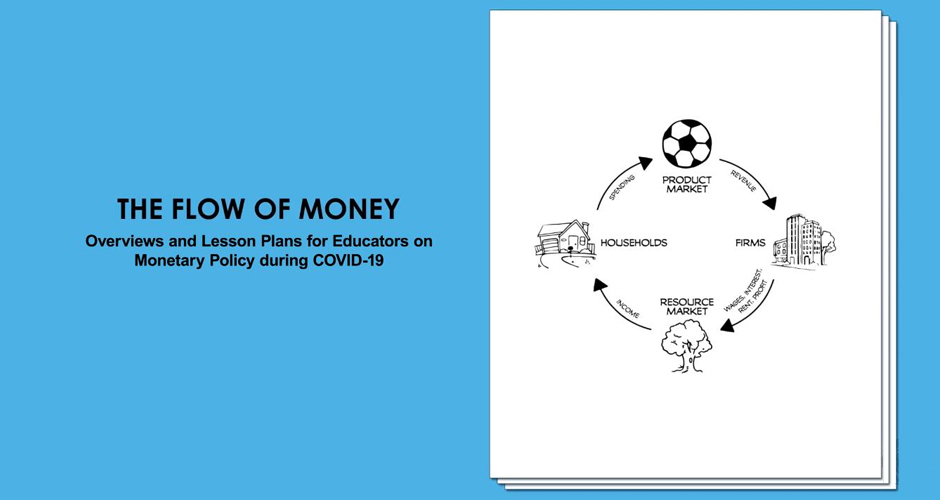
On National Teacher Day, the New York Fed launched a new lesson plan for educators teaching monetary policy during the coronavirus pandemic. “As you’ll learn, my colleagues and I at the Federal Reserve have taken a number of measures to support the flow of credit to households, businesses, and the overall economy during this challenging time,” President Williams said in an accompanying launch video. This timely lesson plan provides creative ways to teach about the economic challenges the pandemic poses, the importance of accessible liquidity and the Fed’s role in providing it, and why the COVID-19 crisis is different from other financial crises.
|
|
|
As part of its new “Facility Series,” Liberty Street Economics published two posts about the Commercial Paper Funding Facility (CPFF) and the Primary Dealer Credit Facility (PDCF). The first post gives an overview of the CPFF and how this facility has already positively affected market functioning and liquidity following disruptions related to the COVID-19 outbreak. The second post on the PDCF, explains the critical role of primary dealers in facilitating the availability of credit to businesses, households, and municipalities. They also show how market conditions have steadily improved following the launch of the facility and compare the current PDCF’s structure and usage to the version first established in March of 2008.
|
|
|
A Liberty Street Economics post explores how the Fed’s new Paycheck Protection Program Liquidity Facility (PPPLF) supports lending to small businesses via the Small Business Administration’s Paycheck Protection Program (PPP). This post describes how the PPPLF bolsters the effectiveness of the PPP by providing liquidity to financial institutions. These financial institutions then provide financing to small businesses by making favorable PPP loans available to firms that are experiencing challenges due to the pandemic. Through the program, small businesses are able to access loans under reasonable terms, which can help them sustain operations and keep their employees on payroll.
|
|
|
|
EMPIRE STATE MANUFACTURING SURVEY
-48.5
Business activity in New York State continued to deteriorate significantly as the headline general business conditions index climbed thirty points, but remained well below zero at -48.5.
|
|
|
|
|
BUSINESS LEADERS
SURVEY
-75.8
Activity in the region’s service sector continued to decline sharply, with the headline business activity index little changed from last month’s record low of -76.5.
|
|
|
|
|
|
|
|
|
|