|
Summer 2026
The Commodity Supplemental Food Program (CSFP) and The Emergency Food Assistance Program (TEFAP) support USDA Secretary Brooke Rollins' commitment to strengthening strategies that encourage healthy choices, healthy outcomes, and healthy families. USDA Foods support American farmers and provide safe, high quality, 100% American grown, real food to CSFP and TEFAP households.
Food and Nutrition Administration
The Food and Nutrition Service is now the Food and Nutrition Administration (FNA) – new name, same vital mission! This name change is part of a phased reorganization to modernize, streamline, and strengthen our agency. This will equip FNA to best meet the needs of our participants and partners while delivering our programs with integrity. You can learn more about the reorganization by visiting the FNA website.
Food Safety During the Summer Season
Summer meals should bring joy, not germs. Whether you are heading to a picnic, grilling at a barbecue, or enjoying food outdoors, here are a few simple steps to keep food safe.
Start with clean hands
The first step to serving summer foods safely is to start with clean hands. If running water is available, wet hands, lather with soap, scrub for 20 seconds, rinse, and dry. If no running water is available, use hand sanitizer or moist towelettes with at least 60 percent alcohol. Wash your hands anytime they may become contaminated, such as after handling raw and ready-to-eat foods, using your phone, or touching animals.
Keep it cold
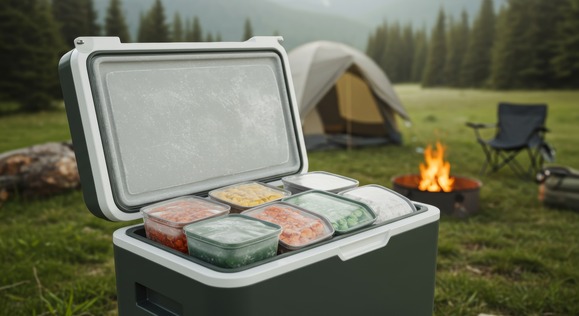
Pack perishable foods like cut fruit, dairy, and raw meats in a cooler filled with plenty of ice or frozen gel packs. Extra ice or coolants help keep foods below 40°F. Transport food in the passenger area of the car and place coolers in the shade.
Keep hot foods hot
Use insulated containers or keep food on the grill until serving. Hot foods should stay at 140°F or above.
Avoid cross-contamination
Keep raw meat separate from ready-to-eat foods. Use clean plates and utensils for cooked items.
Cook to safe temperatures
Use a food thermometer. The USDA Food Safety and Inspection Service recommends:
- 165°F for poultry
- 160°F for ground meats
- 145°F with a three-minute rest for whole cuts of meat and fish
Follow the 2‑hour rule
Perishable foods should not sit out for more than two hours. If temperatures exceed 90°F, the limit becomes one hour.
Use tools and resources
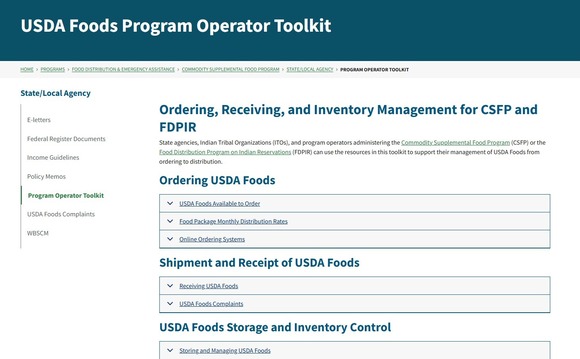
 Introducing the USDA Foods Program Operator Toolkit
We’re excited to launch the USDA Foods Program Operator Toolkit — a new, centralized webpage designed to support CSFP and Food Distribution Program on Indian Reservations (FDPIR) program operators with everything needed to manage USDA Foods from ordering through distribution.
For many program operators, finding the right guidance has meant navigating across multiple webpages and resources. The new Toolkit simplifies that experience by bringing together existing, publicly available materials into one easy‑to‑use hub. The goal is to make it faster and easier for program operators to locate essential information, stay organized, and keep programs running smoothly and with integrity.
The Toolkit will also serve as the home for newly developed resources, offering a consistent space for updates and tools that support program operations nationwide.
Explore the Toolkit: https://www.fns.usda.gov/usda-foods/program-operator-toolkit
We hope this new resource helps streamline your work and supports the important services you provide every day.
 Stay Hydrated in the Hot Summer Months Ahead
The Dietary Guidelines for Americans, 2025–2030, highlights hydration as an important part of overall health. Staying hydrated helps regulate body temperature, supports digestion, and keeps energy levels steady. While drinking water and small amounts of 100% juice can help us stay hydrated, many foods like fruits, vegetables, and dairy products also contribute to daily fluid intake. In fact, many fresh, frozen, and canned fruits and vegetables are made up of 80–90% water, making them a great addition to summer meals. Milk and yogurt are also excellent sources of water, along with providing protein, vitamins, and minerals. Eating a wide variety of hydrating foods makes it easy to stay hydrated all season long.
Here are some hydration‑supporting foods available through TEFAP and CSFP and a few ways households can use them.
Fruits
- Fresh apples, oranges, and pears
- Frozen berries, sliced peaches, and mixed fruit
- Canned fruit packed in water or extra light syrup
- 100% fruit juices like apple, orange, or grape juice
- Applesauce
Vegetables
- Frozen green beans, carrots, and corn
- Low sodium canned tomato products, corn, peas, and mixed vegetables
Dairy
- Shelf‑stable, dried, or fresh milk
- Yogurt
Simple Ways to Boost Summer Hydration
- Add canned or fresh fruit to yogurt or oatmeal for extra water and fiber.
- Blend frozen fruit with milk or yogurt for a cool snack.
- Use canned vegetables in cold salads such as pasta salads.
- Flavor water by adding a few frozen berries or peaches.
|