FridayFlash -- weekly news and research tips from TCL
U.S. Courts sent this bulletin at 03/11/2022 10:40 AM ESTHaving trouble viewing this email? View it as a Web page.
 |
|
|
March 11, 2022
In this issue ...
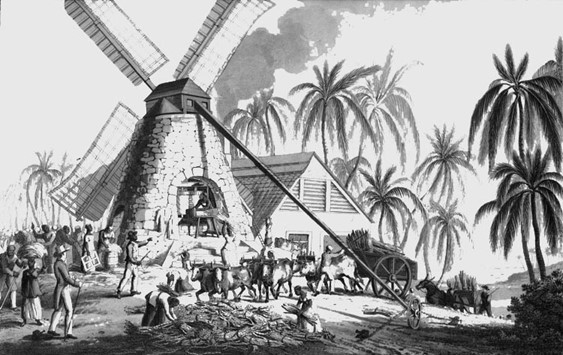
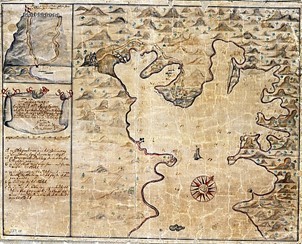
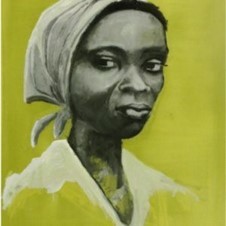
About this NewsletterVirgin Islands History: Repression and Rebellion- The St. John Slave Insurrection of 1733 Sugar and trade transformed the economy of the Danish West Indies (Virgin Islands) due in a large part to African slave labor. William Boyer wrote in America’s Virgin Islands – A History of Human Rights and Wrongs, that after the use of indigenous people as slaves and the indentured servitude of white Europeans both failed, the foundation for the African slave system was laid. African slave labor was cheaper; the cost of an indentured servant’s service for ten years could buy an African for life, along with their offspring. Aside from the extremely restricted opportunity of being given their freedom through unlikely generosity of their masters, the only ways of escape open for the slaves of the Virgin Islands were through suicide, which was not unusual, through escape, which was frequent, or through armed uprising, which was very rare. One of the most famous West Indian slave rebellions was the revolt in St. John in 1733, occurring soon after new brutal and oppressive slave codes, still considered the most barbarous and unparalleled in human history, were promulgated by the Danish government. Also, with several other conditions occurring at the time – famine, devastating hurricanes, illness, and plague -- St. John was ripe for rebellion.
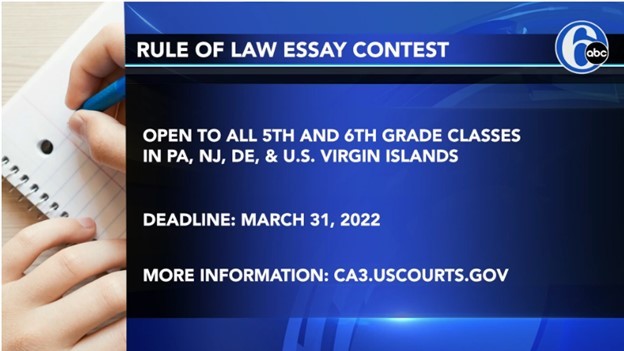
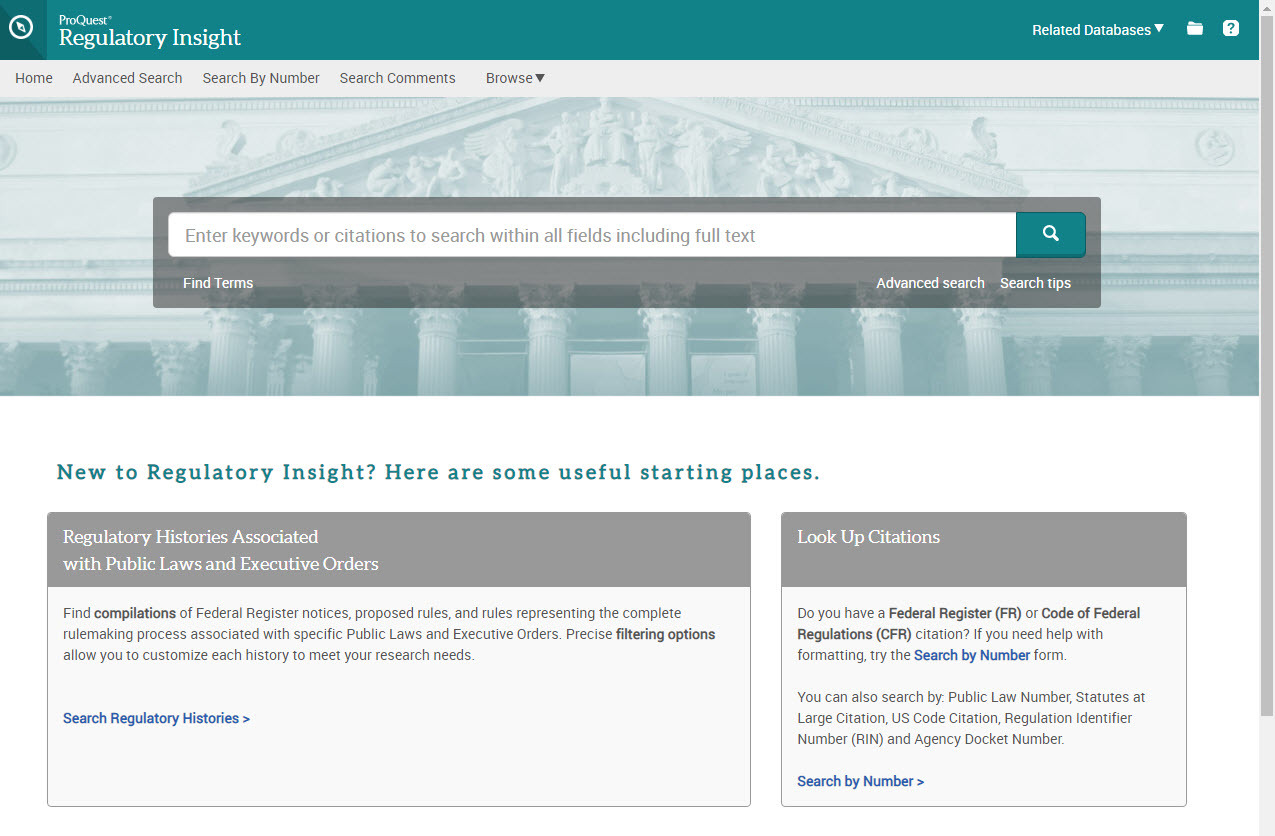
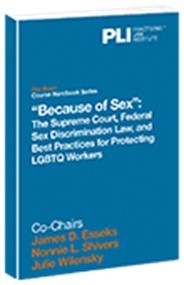
Faced with starvation, the brutal slave codes were the last straw for the slaves on St. John and after careful planning, they took over the island’s only fort and began a nearly eight-month long insurrection and island-wide uprising. Resources In The News Reminder--Diversity Speaks: Distinguished Speaker Series featuring the Hon. Joseph A. Greenaway Jr. Monday March 14 4:00-5:00PM Monday March 14, 2022 Seton Hall Law School'sLarson Auditorium, Newark, New Jersey. Registration required Courts, Community and Rule of Law Committee Middle School Essay Contest The Courts, Community, and Rule of Law Committee of the Judicial Council of the Third Circuit announced in January that it is hosting an essay contest for 5th and 6th grade classes focused on civics, citizenship, and the concept of the “Rule of Copewood Middle School in Camden, New Jersey has been learning to write about the rule of law from Matthew Tom, Judicial Law Clerk for the Hon. Marjorie Rendell, U.S. Court of Appeals for the Third Circuit. Matthew Tom, a lawyer and writing coach, has been assisting the students with the entries to the competition. Tom and Judge Rendell are featured in a recent 6ABC interview. "We as courts are a positive force. We are there to help people," said Judge Marjorie Rendell. "And we think getting in the community and promoting an understanding of what we do is really important." The due date to submit essays has been extended to March 31, 2022. Visit the Third Circuit website for more information on the Rule of Law Essay Contest. Website of the Week ProQuest Regulatory Insight offers U.S. federal administrative law histories beginning in 1936 organized by federal statutes and Executive Order. Regulatory histories associated with a public law are compiled from Federal Register (FR) notices, proposed rules, and rules representing the complete rulemaking process associated with specific Public Laws or Executive Orders. All rulemaking FR articles published following the date of enactment of a law are included in a regulatory history, as well as any other articles associated with said rulemaking. Search by Number using: CFR Citation, Public Law Number, Statutes at Large Citation, U.S. Code Citation, Regulation Identifier Number (RIN) or Agency Docket Number. The “search within” function allows the user to limit content to notices, proposed rules and final rules. Off the Shelf “Because of Sex”: The Supreme Court, Federal Sex Discrimination Law, and Best Practices for Protecting LGBTQ Workers Available in PLI Plus. Tables of contents: Program Schedule Faculty Bios 1. Bostock’s Impact: Recent Policy and Litigation Developments, PLI Chronicle: Insights and Perspectives for the Legal Community (March 2021) 2. “Because of Sex”: The Supreme Court, Federal Sex Discrimination Law, and Best Practices for Protecting LGBTQ Workers (PowerPoint slides) Index Precedential Opinions
|
|
|
|