|
If your email program has trouble displaying this email or images, view as a webpage.
|
|
|
Back to TOP
 FDA Has Eyes on Expanding WGS Globally
Having seen the potential of whole genome sequencing (WGS) firsthand, the FDA is taking steps to promote the expansion of its use internationally. Efforts by the Human Foods Program (HFP) scientists and the agency’s foreign offices have been focused on onboarding more international laboratories to share WGS data using the GenomeTrakr platform, and creating a public training resource in support of that platform.
The more laboratories sharing data this way, collected over a broader range of samples and environments, the better and faster health agencies can make actionable decisions regarding foodborne outbreaks — and as it turns out, at a significant cost savings, too.
 Whole genome sequencing is an advanced technology that reveals the genetic fingerprint of a pathogen by sequencing the chemical building blocks that make up its DNA. The most basic application of this technology to food safety is using it to identify pathogens isolated from food or environmental samples. These can then be compared to clinical isolates from patients. If the pathogens found in the food or food production environment match the pathogens from the sick patients, a reliable link between the two can be made, which helps define the scope of a foodborne illness outbreak.
The FDA has been a leader in promoting the broad adoption of WGS technology at the state, federal, and international levels. In late 2012 the agency launched GenomeTrakr, a distributed network of laboratories that share WGS data to identify pathogens. Since that time, the network has seen rapid growth to 62 domestic and 24 international laboratories across public health and academia. It has become so valuable a tool, that for 2024 (Q1- Q3), more than 1.4 million sequences were added to the GenomeTrakr database as part of the National Center for Biotechnology Information's Pathogen Detection web tools.
For a number of years, a part of the agency’s international WGS efforts have been through the HFP and OGPS’ Office of Global Operations (which includes the FDA’s foreign offices in China, the European Union, India, and Latin America) working together to spread the word about the value of WGS technology and the GenomeTrakr to regulatory scientists and academic researchers working in those parts of the world. In Latin America, the FDA scientists provided technical support and training to staff at Mexico’s federal food labs, hosted a regional WGS technical workshop in Peru (jointly with the United Nation’s Food and Agriculture Organization), and fostered inroads for the technologies’ use by Chilean researchers interested in agricultural water safety. This issue of the Global Update also features a story about FDA providing WGS training to two academic laboratories in India’s shrimp growing regions.
 One of the advantages of investing in WGS programs, is that they can provide annual public health savings that far exceed the cost of funding such programs. The FDA has been talking up these benefits at international meetings. In an October presentation to the International Food Safety and Quality Conference in Shanghai, HFP research microbiologist Marc Allard cited a recent study showing that the agency’s WGS program was likely cost-effective in its second year of implementation, and at 2019 funding levels the program generated $100 million to $450 million in net annual health benefits. Embracing WGS technology generated a return on investment of as much as $10 in averted human health costs for every $1 invested in the program, a number that is projected to increase as the program grows and technology becomes more widely utilized.
WGS programs can provide annual public health savings that far exceed the cost of funding such programs. In the United States alone, the net benefits are estimated to be in the hundreds of millions of dollars annually and include reductions in the number of illnesses associated with the pathogens being sequenced, Allard said.
In November, at a meeting of the International Pathogen Surveillance Network, Allard and two other FDA experts presented similar data. In their conclusion they described how WGS is an important link in the food safety chain, including how in the most heavily sequenced pathogens, illnesses in the United States are decreasing faster relative to other pathogens; and how outbreaks of heavily sequenced pathogens are getting smaller, potentially due to both detection of smaller clusters and to faster, more precise outbreak investigations. They went on to explain that in addition to the direct effects on public health, the program increases accountability, effectiveness, and efficiency of compliance and enforcement, and facilitates root cause analysis, risk assessment, and risk management. A growing volume of literature suggests that WGS is having similar success in other countries and regions, they added.
Expanding WGS capacity and data sharing will continue to be a priority in FY25 for the HFP.
The FDA is not alone in seeking to expand the use and sharing of WGS data. The European Commission recently agreed that to substantially facilitate food-borne outbreak investigations and to timely find the cause of such outbreaks, it was making WGS mandatory across all of the 27 EU Member States, with the data to be shared with the European Food Safety Authority. There will be an 18-month transition period before the new provisions apply.
HFP's International Priorities
The FDA’s Human Food Program (HFP) recently released its 2025 Priority Deliverables, which highlights activities the HFP plans to focus on during its first year following a reorganization of the program’s design and responsibilities that went into effect on October 1, 2024. The priorities were shared to promote transparency and accountability as the HFP engages in developing a more comprehensive five-year strategic plan during FY25. While we encourage you to take a look at the list of priority deliverables planned for FY25, we would like to particularly note three that have an international focus:
- Onboarding more international laboratories to share whole genome sequencing (WGS) data using the GenomeTrakr platform and creating a public training resource in support of that platform.
- Implementing the FDA’s regulatory partnership agreement on shrimp with Ecuador and working toward establishing additional agreements with India and Indonesia.
- Pursuing formal agreements with international regulatory counterparts to facilitate partnering on food chemical and innovation issues and encouraging the harmonization of science-based food chemical safety standards.
FDA Experts Participate in WHO Meeting on Substandard and Falsified Medical Products
The FDA was a major presence at the November meeting of the World Health Organization’s (WHO) meeting of the Member State Mechanism on Substandard and Falsified Medical Products in Geneva, Switzerland.
The Mechanism forum brought together all WHO countries to discuss and find solutions to the public health risks associated with substandard and falsified (SF) medical products. The WHO has estimated that more than one in 10 medicines in low- and middle-income countries are substandard (a product that is authorized but fails to meet its quality standards or specifications) or falsified (a product that deliberately or fraudulently misrepresents its identity, composition, or source).
Mark Abdoo, FDA Associate Commissioner for Global Policy and Strategy, in his capacity as Vice-Chair of the Mechanism Steering Committee, reviewed the FDA’s latest efforts to enforce the 2013 Drug Supply Chain Security Act and related actions, the FDA's supply chain work with the Asia-Pacific Economic Cooperation, and FDA actions on SF medical products.
The U.S. chair of the Mechanism's Informal Markets Workgroup, Dr. Harinder Chahal with the FDA’s Office of Economics and Analysis, provided an update on the group’s development over this last year of a first-of-its-kind framework to create research methodologies to elucidate the structure, function, and impacts of informal markets globally. In his remarks, Dr. Chahal also discussed the workgroup’s planned activities for 2025.
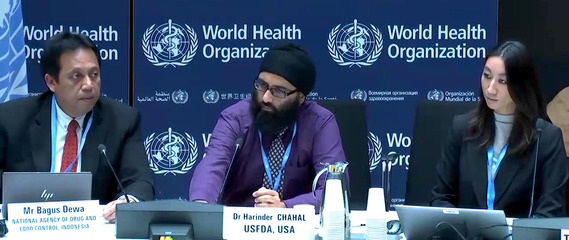 Dr. Harinder Chahal (center) and Steph Tan (right) represented the FDA in Geneva at the recent WHO meeting for the Member State Mechanism on Substandard and Falsified Medical Products.
An informal market is a sector of a national or local economy where the manufacture, import or export, distribution, sale, supply, or purchase of medical products takes place outside of the legal, regulatory, or administrative oversight of relevant public health or regulatory authorities. The medical products distributed through these markets may not have been assessed for safety, efficacy, or quality by public health and regulatory authorities, and may be distributed by entities without appropriate qualifications in a physical, virtual, or hybrid environment.
The U.S. perspective on virtual (internet-based) informal markets, was provided by Jason Humbert from the FDA's Office of Inspections and Investigations. His talk included pertinent case studies such as working with federal and state partners — including sometimes sending warning letters to e-commerce companies to remove unapproved products containing hidden, potentially dangerous drug ingredients from their respective platforms.
Also presenting was Captain Tara Gooen, the director of the Manufacturing Guidance and Policy Staff in the Center for Drug Evaluation and Research, who provided an update on the work group studying contaminated medicines and pharmaceutical excipients.
Other FDA meeting attendees included Leigh Verbois, director of the FDA’s Office of Drug Security, Integrity, and Response, and Steph Tan from the Office of Economic Analysis, as well as International Policy and Program Analyst Micah Augusma and Program Advisor Betsy Newcomer, both from OGPS.
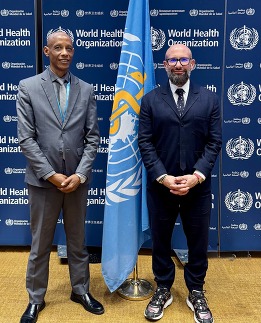
Heading into the meeting, Abdoo wrote a blog noting that a sharpened focus on improving the quality, consistency and breadth of data would enhance the Mechanism’s effectiveness. The blog recounts the Mechanism’s origins, describes its current capabilities, and offers suggestions on expanding its suite of tools. Ultimately, said Abdoo, when Member States utilize high quality, comprehensive data to reduce the threat of SF medical products, they improve access to safe, effective, and affordable medical products globally.
(Photo: Dr. Emile Bienvenu, Chair of the Mechanism Steering Committee, and FDA Associate Commissioner for Global Strategy and Policy Mark Abdoo.)
A discussion on the report that evaluated the Mechanism was one of the last topics to be addressed by the Steering Committee at the November meeting. After discussing the document, the Steering Committee and the Plenary voted to give the Steering Committee more time to reflect on the recommendations, and that the outcomes of those deliberations be submitted to the WHO’s governing boards in 2026.
|
FDA’s Latin America Office Wraps Up Chairmanship of Pan American Group
Michelle Rodriguez, director of the FDA's Latin America Office (LAO), closed out her role as the 2024 chairman of the Pan American region's National Regulatory Authorities of Regional Reference (NRAr) this month. After a year of intense work and discussions on regulatory convergence, reliance implementation, and Global Benchmarking Tool assessment, Rodriguez passed the chairmanship of the group to Catterina Ferreccio, national director of ISP, the Instituto de Salud Pública of Chile, on December 10.
NRAr agencies — considered stringent regulatory authorities by the Pan American Health Organization (PAHO) for having a high level of regulatory and oversight capacity — serve as a reference for other regulators in the region. They meet twice a year to discuss and analyze regulatory issues of general interest and establish their annual work plan to support their strengthening and that of other regulatory authorities in the region.
PAHO's Director General Dr. Jarbas Barbosa participated in the December meeting. In addition to the U.S. and Chilean representatives, NRAr representatives from Argentina, Brazil, Canada, Colombia, Cuba, and Mexico participated. The meeting also drew representatives from several observer countries, including Barbados, Costa Rica, Dominican Republic, Ecuador, El Salvador, Guatemala, Honduras, Paraguay, Peru, and Uruguay.
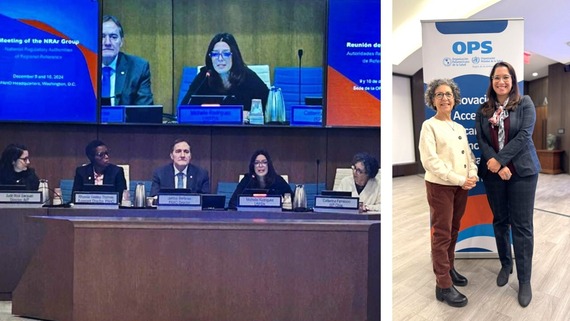 Michelle Rodriguez speaking at the NRAr meeting. The chairman of PAHO, Dr. Jarbas Barbosa, is to the left and the next chairman of the NRAr, Catterina Ferreccio, national director of ISP, is to the right. Ferreccio and Vesa Vuniqi are together in the second photo.
The day after the NRAr adjourned, LAO joined a one-day meeting of the steering committee of the Pan American Network for Drug Regulatory Harmonization (PANDRH) at PAHO headquarters. PANDRH is an initiative of the national regulatory authorities within the region and PAHO, supporting the processes of pharmaceutical regulatory harmonization in the Americas within the framework of national and subregional health policies and recognizing pre-existing asymmetries.
Representatives from 12 Latin American regulatory authorities participated in the December 11 meeting, along with representatives from PAHO, the U.S. Pharmacopeia, the Coalition for Epidemic Preparedness Innovations, and industry groups.
“The meeting served as a vital platform to discuss governance strategies and envision the future direction of the network, reinforcing our collective commitment to advancing regulatory harmonization across the Americas,” said LAO International Relations Specialist Vesa Vuniqi.
“Collaboration and alignment among regional stakeholders are key to fostering innovation, ensuring public health, and improving access to safe, effective, and quality medicines,” she said. “FDA LAO looks forward to continuing this important work with our partners across the region.”
The PANDRH was founded in 1999 to:
- Strengthen the regulatory functions and systems of the countries of the region and promote cooperation and sharing among countries, with PAHO and other regional and international organizations, civil society, industry associations, and academia.
- Develop, approve, and implement common proposals (projects, joint activities, technical documents, guidelines, work plans, etc.) for the regulation of health technologies, considering international guidelines and standards for regulatory convergence.
- Develop core competencies aimed at supporting and strengthening good regulatory practices and regulatory science in the Member States with the goal of achieving regulatory convergence in the region.
- Encourage the region’s national regulatory authorities to develop and maintain well-structured organizations to achieve effective regulatory functions as an essential part of health systems.
|
|
|
Back to TOP
 China Office Staff Partners with Three Agencies for Amazon China Workshop
Conducting outreach to Chinese businesses about exporting FDA-regulated products to the United States can be a logistical challenge for the FDA’s China Office (CNO) since many manufacturers are small and geographically dispersed.
The Amazon China Product Safety Industry Education Campaign is helping to bridge that gap. The campaign, co-sponsored by Amazon China, the China Association for Consumer Products Quality and Safety Promotion, and the Guangdong E-Business Association, has offered many engagement opportunities addressing a wide array of commodities. Attendees have included manufacturers, dealers, and distributors who use Amazon China to support their export sales and logistics.
 This year for the first time the campaign hosted two events that focused on the export of FDA-regulated products, and they approached the FDA to contribute, said Scott Gonzalez, an international relations specialist in the FDA’s China Office who focuses on medical device issues.
In September, the campaign held a virtual event for companies manufacturing radiation-emitting electronic products such as laser products and microwave ovens, which featured opening remarks from CNO Director Sarah McMullen. The event was attended by over 9,000 unique logins representing members of the notoriously hard-to-reach radiation-emitting product industry in China.
In October, the campaign held a workshop that focused on cosmetics and human foods, including dietary supplements and pet food. Clinton Priestley, an international relations specialist who specializes in food, dietary supplements, and cosmetics, was joined by colleagues Charles Idjagboro, regulatory specialist, and Lixia Wang, medical research scientist; they presented on these topics and answered questions while CNO Deputy Director Brandi McGrady provided pre-recorded opening remarks. The event included approximately 50 in-person attendees and over 8,000 virtual attendees.
Prior to the events, CNO staff met with Amazon China representatives to better understand their business model, customer base, and intentions for the industry education campaign. China is a leading source of imported FDA-regulated goods (by number of import lines) across nearly every commodity — first for radiation-emitting products, second for cosmetics, fourth for animal foods, and seventh for human foods.
Gonzalez and Priestley worked with policy experts in the FDA’s Center for Devices and Radiological Health and the Human Foods Program to identify and bring awareness to common critical misunderstandings in China. Topics included radiological health product reports, radiation-emitting product import requirements, adverse event reporting for radiation-emitting products, dietary supplements, cosmetics, manufactured foods, and pet foods.
Although no new events are planned with Amazon China, there is a possibility for more events in the future.
4th African Medicines Regulatory Harmonisation Week
The Office of Global Policy and Strategy (OGPS) participated virtually in the 4th African Medicines Regulatory Harmonisation (AMRH) Week, held in Maputo, Mozambique, in late October. The weeklong event brought together stakeholders from across Africa and the global regulatory landscape to celebrate the progress made under the AMRH initiative and discuss strategies for further strengthening and harmonizing regulatory systems.
The AMRH initiative was established in 2009 to support the continent’s drive to promote access to quality-assured, safe, and efficacious medical products for the African population and create an enabling regulatory environment for the growth of the pharmaceutical sector, which currently produces only 3% of Africa’s needed drugs. The initiative, and the work of its technical committees, have laid an important foundation for the African Medicines Agency (AMA), a proposed specialized agency of the African Union (AU), an organization of member states that aims to promote unity, solidarity, and development across the continent. The Treaty for the Establishment of the African Medicines Agency, adopted by the AU in 2019, came into effect in late 2021 after being ratified by 15 countries. Currently, 37 out of the 55 Members of the AU have either signed or ratified the treaty.
 |
A recurring theme of the weeklong AMRH hybrid forum was the role of the AMA, updates on its operationalization, and the advance technical work being done regarding good manufacturing practice and pharmacovigilance. Participants learned that AMA offices are set to become operational by year-end, and the recruitment of a Director General is underway. Key sessions focused on the integration of technical, policy, and regulatory frameworks across sectors, including trade, economics, and health care access.
Senior Public Health Advisor Meisha Sampson and International Policy and Program Analyst Micah Augusma, the two OGPS officials at the meeting, reaffirmed the FDA’s commitment to supporting the AMA’s operationalization and its mission of fostering regulatory coherence and capacity building across the continent, which in turn protects global public health.
FDA’s Oncology Center of Excellence Director Met with Organizations in Three European Countries
Dr. Richard Pazdur, director of the FDA’s Oncology Center of Excellence, led an FDA delegation to three European countries last month. The purpose of the visit was to meet with regulatory counterparts in Belgium, the U.K., and Switzerland; the World Health Organization (WHO); and various stakeholder groups to gain an understanding of priorities and discuss potential areas of future collaboration. The visit was organized by the FDA’s Europe Office.
In Brussels, the FDA delegation met with the Belgian Federal Agency for Medicines and Health Products and participated in two roundtables, one with the American Chamber of Commerce to the EU and the other with the European Patients’ Forum. Attending the latter forum were representatives from five European cancer organizations — Cancer Patients Europe, Myeloma Patients Europe, European Cancer Leagues, Europa Donna (breast cancer), and European Liver Patients' Associations. Attendees discussed how to make clinical trials more inclusive and diverse, access to care challenges, clinical trial innovations in Europe and their benefits for patients, and how patients are being involved in the regulatory process.
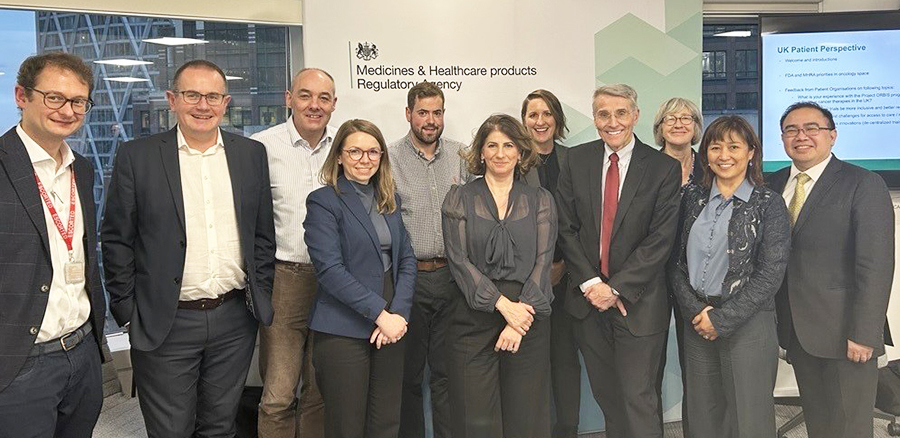 In London, the FDA delegation met with the U.K.’s Medicines and Healthcare products Regulatory Agency (MHRA) to discuss their joint work on Project Orbis, among other topics. One highlight of this daylong meeting was the opportunity to hear from oncology patient groups in a session organized MHRA’s patient and public involvement team. The groups included Cancer Research UK, Cancer52, Brain Tumour Charity, Myeloma UK, and Independent Cancer Patients' Voice. The patients spoke about how the FDA’s Project Orbis is affecting access to innovative cancer therapies in the U.K., provided feedback on clinical trial innovations, and how clinical trials could be more inclusive and diverse. Also participating in the MHRA meetings were representatives from the U.K.’s National Institute for Health Care Excellence and National Health Service England.
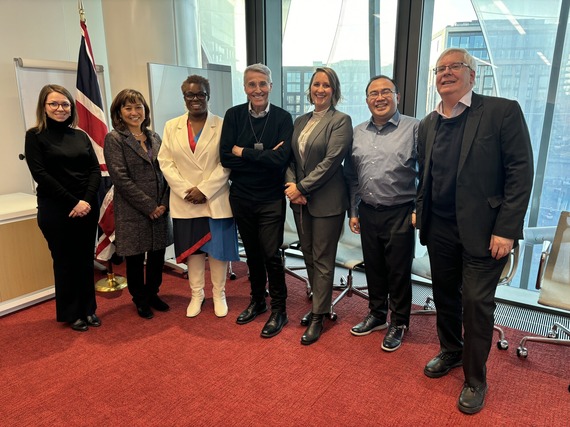 While in London, the delegation also participated in an industry roundtable hosted by the U.S. Embassy to discuss Project Orbis, and met with the Centre for Innovation in Regulatory Science, which provides an international forum for industry, regulators, and other health care stakeholders to meet, debate, and develop regulatory and reimbursement policy.
In Switzerland, the FDA delegation met in Bern with their Swiss regulatory counterpart, Swissmedic, and participated in the Swissmedic Hemato-Oncology Roundtable, which featured officials from the Swiss regulatory authority, as well as representatives from Hemato-Oncology medical associations. The trip concluded with a stop in Geneva for meetings with the WHO.
Expanding WGS Training for Indian Universities
To help ensure the safety of shrimp imported into the United States, the FDA has been encouraging foreign public health and research laboratories to step up their use of whole-genome sequencing (WGS) — a laboratory technique that reveals the complete DNA makeup of an organism.
WGS is capable of precisely identifying foodborne pathogens isolated from shrimp, air, and water samples collected from shrimp farms, and samples taken from sick patients. With this information available, health officials can determine who got sick from what and where. The greater the pool of WGS data, the more likely they’ll be able to do this. Enhancing local capacity across the world is seen by the agency as one way to respond to foodborne illness outbreaks more rapidly, and to better predict and prevent such events.
 In India — one of the biggest shrimp exporters to the United States — the FDA is supporting two research universities in the Indian coastal state of Tamil Nadu: Alagappa University and the Dr. M.G.R. Fisheries College and Research Institute of the Dr. J. Jayalalitha Fisheries University. Both were selected because of their bioinformatic capabilities, their access to local shrimp farms, and their experience in submitting sequencing data to the National Institutes of Health’s National Center for Biotechnology Information (NCBI). NCBI holds a repository of data collected through the GenomeTrakr network, the first distributed network of laboratories to utilize whole genome sequencing for pathogen identification.
Ms. Padmini Ramachandran and Ms. Elizabeth Reed with the FDA’s Human Foods Program visited India during the month of September to train faculty and staff at both universities in environmental sampling, pathogen isolation, and DNA extraction, and educate them on analyzing sequencing data. The training involved visiting aquaculture farms in the vicinity to demonstrate how samples are collected, and then returning to the university labs to learn how the samples are processed for WGS.
For the FDA project, the two universities will be collecting environmental samples (water and air) from multiple sites at shrimp farms registered with India’s Marine Products Export Development Authority, processing the collected samples to isolate pathogens that cause foodborne illness (e.g. Salmonella, Vibrio spp.), and then extracting DNA from the isolates, which will be further processed for WGS. Once identified, the genomes identified will be added to the GenomeTrakr’s global database.
Additionally, DNA extracted directly from these water and air samples (without creating isolates first) will be sequenced by FDA labs in the United States, to provide yet another valuable piece of public health insight. This information will reveal a deeper understanding of the full range of microorganisms present in shrimp farm environments and their antimicrobial resistance (AMR) profiles. Such exploration aligns with the agency’s One Health strategies. The total environment sampled in these farms are key integrators between humans, animals, and the environment, and as such may serve as valuable drivers of AMR determinants.
Human Food Program Officials Successfully Engage in China
Dr. Don Prater, the FDA’s Human Foods Program (HFP) Principal Associate Commissioner, and Dr. Marc Allard, a research microbiologist at HFP, traveled to China in late October for meetings with key Chinese counterparts in Beijing and to speak at the China International Food Safety and Quality Conference (CIFSQ), China’s largest annual food conference, which was held in Shanghai. Their trip was organized by the FDA’s China Office (CNO), led by Director Sarah McMullen.
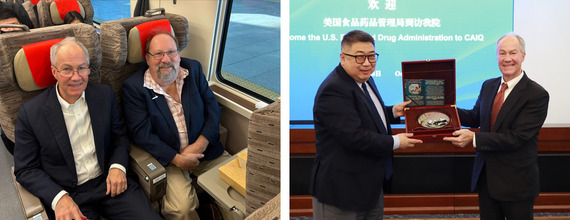 FDA's Don Prater and Marc Allard; CAIQ Director General Li Wentao welcoming Prater.
Accompanied by McMullen and other CNO staff, the two HFP officials met with the China Academy of Inspection and Quarantine (CAIQ), led by Director General Li Wentao, to hear about the academy's work and discuss possible training and technical opportunities; with the China Center for Food Safety Risk Assessment (CFSA) for a technical exchange on whole genome sequencing with Deputy Director-General Fan Yongxiang and other CFSA officials; and with the Director General of the General Administration of Customs of the People’s Republic of China (GACC)/ Bureau of Import Export Food Safety, Jinsong Li, and his team, and affirmed their common goal of protecting and promoting public health. The Director General had just been appointed to his position less than a week before the meeting. The GACC is responsible for managing the import and export of goods and services in and out of mainland China.
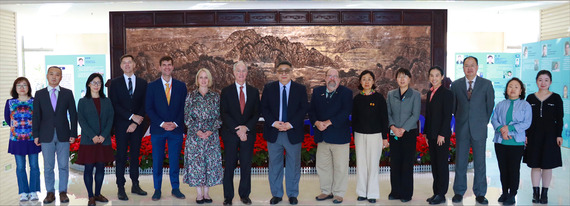 FDA delegation with officials from CAIQ.
In a keynote speech at CIFSQ, Dr. Prater discussed the FDA’s new Human Foods Program and how it’s organized around risks. Dr. Prater also participated on a panel discussing securing food’s future – innovation and safety in new food sources and production systems – and took queries on FDA’s role in ensuring safety in a changing landscape, consumer trust and acceptance and fostering collaboration and sustainability. Dr. Allard’s presentation, on whole genome sequencing, focused on an economic analysis that looked at the benefits of such programs. Three other experts from HFP presented virtually: Suzy Fitzpatrick, senior science advisor for toxicology, who discussed new approach methodologies in food safety risk assessment; Regulatory Review Scientist Dr. Katie Overbey, who discussed food additives and the GRAS (generally recognized as safe) designation in a breakout session on new food resources and production systems; and Senior Health Scientist Chris Waldrop who provided the FDA’s perspective on the topic of boosting a food safety culture.
Two Prominent “From a Global Perspective” Blogs Published in December
Harmonizing global regulatory standards and revising ethical clinical research standards were highlighted in two “From a Global Perspective” blogs published this month. Both articles draw attention to salient issues faced by international regulators across the globe.
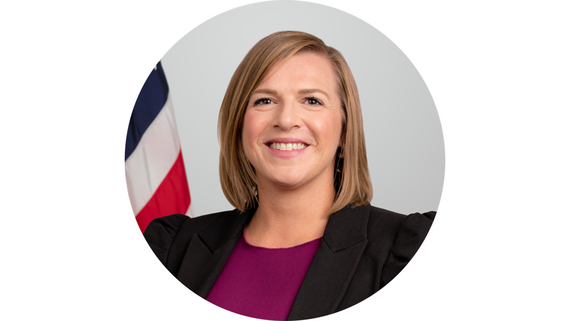 On December 2, the Office of Global Policy and Strategy (OGPS) published Reflections on the 19th International Conference of Drug Regulatory Authorities by Kimberlee Trzeciak, FDA Deputy Commissioner for Policy, Legislation, and International Affairs. The blog discussed her participation in the ICDRA meeting held in New Delhi, India. The October gathering brought together regulatory authorities from WHO Member States to develop international consensus on regulatory priorities. This year’s event focused on the WHO-Listed Authority (WLA) framework, which sets a globally recognized standard for identifying and assessing advanced regulatory authorities. Earlier this year, the WHO recognized the FDA as a WLA for all regulatory functions in medicines, including generic drugs, new chemical entities, biotherapeutics, and vaccines.
During the five-day meeting, Trzeciak also participated in several key bilateral and trilateral discussions, including one focused on the potential of advancing a “one quality standard” for medical products — a commitment from countries that drug manufacturers will ensure the same high quality of drug products, no matter where the product is manufactured or used.
“A rising tide that lifts all boats can help ensure a secure, resilient, and high-quality medical product supply chain, benefiting patients in the United States and worldwide,” said Trzeciak.
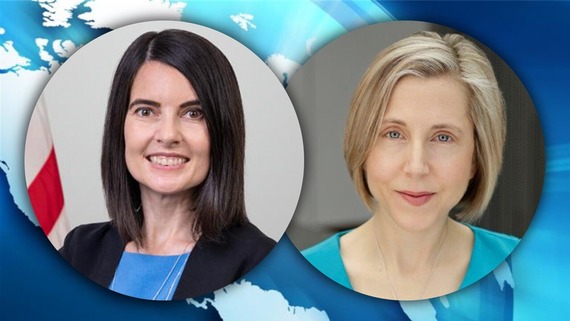 From left: Dr. Hilary Marston, FDA Chief Medical Officer, and Ann Meeker-O'Connell, director, Office of Clinical Policy.
Then, on December 9, OGPS published FDA’s Role in the Revision of the Declaration of Helsinki by Dr. Hilary Marston, FDA Chief Medical Officer, and Ann Meeker-O'Connell, director, Office of Clinical Policy. This interview blog explores the Declaration of Helsinki — a set of principles created by the World Medical Association to support ethical clinical research on human subjects — and FDA’s role in its revision. In fact, many of the Declaration’s core foundational aspects are reflected in the FDA’s own human subject protection regulations, said Meeker-O'Connell.
Both Marston and Meeker-O'Connell stressed the responsibility of researchers to their study participants, as well as the importance of study designs and of assessing if they are scientifically robust. The two experts also emphasized the value of attending regional meetings worldwide, with the goal of gaining new insights from members of the Global South.
“What was great was being able to speak to experts from around the world who work on these issues, some of whom were regulators, but some of whom were not,” said Dr. Marston. “This allowed us to hear those different perspectives.”
|
|
|
Back to TOP
 Staff on the Move
Incoming
 From the left: Meisha Sampson, Courtney Buchanan, Menglu Yuan, Jacqueline Shi, Rafeeq Habib.
Meisha Sampson
Meisha Sampson is on detail with OGPS’s Office of Global Operations’ Immediate Office (OGO IO), as a senior public health advisor. Her work centers on the strategic and operational planning for OGPS’ soon-to-be opened office in Kigali, Rwanda. This new office will be the FDA’s local base for supporting regulatory public health initiatives across the African Union, focused on supporting the African Medicines Agency. Sampson will also be assisting with other strategic topics for OGO.
Sampson is no stranger to OGPS: she spent several years as an investigator and supervisory consumer safety officer in the FDA’s China Office in Beijing. While there, she participated in the COVID-19 pandemic mission task force, ensuring the safety of medical products and sourcing over 5,000 tons of masks and test kits during the height of the pandemic. She also worked to advance regulatory reliance and harmonization efforts through the rollout of the International Medical Device Regulators Forum; and engaged with the U.S. Drug Enforcement Administration’s efforts to block the shipment of chemical precursors of fentanyl that fuel the flow of this highly potent opioid from Latin America to the United States.
Between her time in China and her return to OGPS, Sampson was at the FDA’s Office of Pharmaceutical Quality Programs (now the Office of Human and Animal Drug Inspections), where she served as a senior advisor, providing leadership guidance and overall operational direction, managing projects, overseeing field operations, and leading strategic planning initiatives.
Sampson received her bachelor’s degree in pharmaceutical engineering and master’s degree in regulatory and quality compliance from Purdue University, a graduate certificate in manufacturing principles and processes from North Carolina State University, and is pursuing a Project Management Certification.
Courtney Buchanan
Courtney Buchanan is joining the OGPS Immediate Office as a senior advisor to work on crosscutting issues. She most recently served as the senior advisor and special assistant to the FDA Commissioner, where she advised and supported the Commissioner’s ability to oversee the full breadth of the FDA portfolio. She has been with the FDA since 2011, where she started in the Center for Food Safety and Applied Nutrition (now the Human Foods Program) as an ORISE fellow on the Foreign Inspection Planning Team and later as the Food Facility Registration program manager where she led the development and implementation of Food Safety Modernization Act amendments to the rule. In 2021 she transitioned to the Office of Food Policy and Response where she assisted in the development, coordination, and implementation of the New Era of Smarter Food Safety initiative. Courtney holds a Bachelor of Science degree in public and community health from the University of Maryland and a master’s certificate in project management from George Washington University.
Menglu Yuan
Menglu Yuan is joining the OGPS Immediate Office (IO) as a program and change manager. She will be implementing program and change management best practices across a variety of OGPS’ crosscutting activities and strategic initiatives. Menglu joins OGPS from the Center for Drug Evaluation and Research (CDER) Office of Compliance IO, where she served as a senior consumer safety officer developing public health initiatives for portfolios ranging from supply chain security, controlled substances, and GLP-1s. Prior to Compliance, she served as a science policy advisor in CDER’s Office of the Center Director, Controlled Substances Program, where she managed CDER’s opioids portfolio and led strategic programs in the controlled substances space. Menglu first joined the FDA in 2015 through the Presidential Management Fellows Program and covered opioids and controlled substances in the Office of Executive Programs. Menglu received her doctorate in pharmacology and toxicology from the University of California, Irvine, and a bachelor’s in biochemistry and molecular biology from Boston University.
Jacqueline Shi
Jacqueline Shi joined OGPS’ China Office as the senior specialist covering human and animal food and cosmetics issues. Jacqueline has most recently served as a trade policy, standards and commercial specialist at the Foreign Commercial Services in the U.S. Embassy in Beijing. In this capacity, Jacqueline played a pivotal role in shaping trade policy, advocating for the policy and health care sector, and facilitating market entry strategies for U.S. firms in China. She has established and maintained high-level contacts with key Chinese health care-related government agencies, supporting bilateral dialogues and negotiations on healthcare policy. She has been instrumental in organizing seminars and technical exchanges on a wide range of health care issues, from patient care to regulatory data protection. In addition, Jacqueline has built strong relationships with leading industry organizations, contributing to the strategic commercial planning and development of detailed business plans for expansion. She has also been actively involved in World Trade Organization Technical Barriers to Trade related activities, technical assistance, and capacity building programs. Jacqueline holds a master’s degree in economics, a bachelor’s degree in business administration, and a college degree in Foreign Trade English.
Rafeeq Habeeb
Rafeeq Habeeb has joined OGPS’ India Office as a regulatory specialist for pharmaceuticals and will be stationed stateside until he makes the move overseas. He comes to OGPS from the Office of Inspections and Investigations (OII) where he was a consumer safety officer (CSO) and Level 2 Certified Drug Specialist under the Generic Drug User Fee Amendments program. In this role, he performed mission critical inspections of nonsterile, sterile, and biotechnology facilities in the United States as well as in Canada, Mexico, China, and India. While with OII, Rafeeq also served as a food CSO with Human and Animal Food East 6 between 2018 and 2020. He carried out over 60 domestic and international inspections resulting in warning letters, import alerts, recalls, and regulatory meetings.
Rafeeq has a Ph.D. in molecular genetics/biochemistry from the All India Institute of Medical Sciences in New Delhi, India, and a masters in pharmaceutical sciences from the University of Cincinnati. Prior to coming to the FDA, he worked at the University of Cincinnati as a faculty and research scientist on several cutting-edge research projects including cellular reprogramming, stem cell and tissue engineering, cardiomyopathies, and cardiac regeneration.
|
|
|
Back to TOP
 October 23: China at White Oak
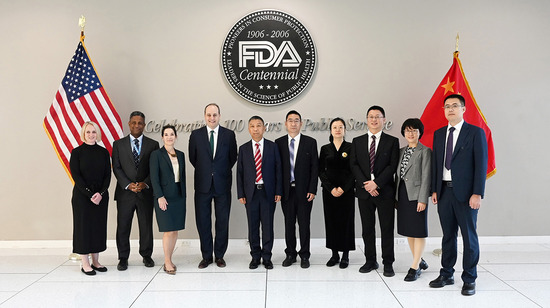
An FDA delegation led by Dr. Don Prater, Human Foods Program, met wiith a delegation from China’s State Administration of Market Regulation (SAMR) led by Director General Sun Huichuan, Department of Food Safety Sample and Testing Monitoring. Regulatory priorities, key initiatives, food safety issues, and their roles in international food safety and standard-setting organizations were the topics discussed at the first bilateral meeting between the FDA and SAMR since 2019.
November 4: virtual with Kigali, Rwanda
OGPS reposted the Ministry of Health Rwanda’s social media post on X, congratulating the Ministry and the African Medicines Agency (AMA) on the formal opening of the AMA’s headquarters in Kigali, Rwanda. “This indeed marks a significant milestone in Africa's efforts to enhance access to safe and effective medical products across the continent,” OGPS said in its X post.
 MoH Rwanda post: "This morning, Minister Sabin Nsanzimana and Ambassador Cessouma Minata Samate, the Commissioner for Health, and Social Development at the African Union inaugurated the new Africa Medicines Agency (AMA) headquarters in Rwanda, marking a significant milestone for health care on the continent. The handover included a fully equipped building, vehicles, and essential resources to support AMA's mission. Selected as host nation at the 2022 AU Summit, Rwanda will facilitate AMA’s pivotal role in standardizing and regulating medicines across Africa."
November 5-6: Los Angeles and Linares, Chile
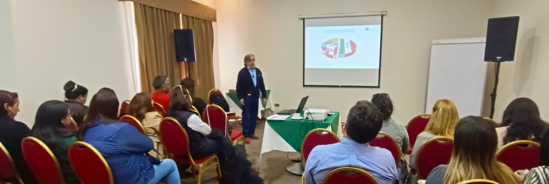
International Regulatory Analyst Gonzalo Ibanez from the Santiago post of the FDA’s Latin America Office participated in meetings — held in the Chilean cities of Los Angeles and Linares — for Chilean blueberry producers and related organizations. Attendees included the Inter-American Institute for Cooperation on Agriculture and Frutas de Chile’s (formerly ASOEX) Blueberry Committee. Meeting participants discussed preventive measures for foodborne viruses (e.g., norovirus, hepatitis A) that may impact the safety of blueberries exported to the United States, including developing industry guidelines focused on hygiene practices and general activities pre- and post- harvest. Other topics included expanding scientific knowledge of detection technologies and methodologies, establishing risk profiles during production and transport, and applying targeted controls for agricultural water. For the Chilean blueberry industry, the dialogue was proactive, as they have not been involved in the viral outbreaks that ultimately led to the creation of an FDA working group to prevent contamination of enteric viruses in berries.
November 7: Chandigarh, India
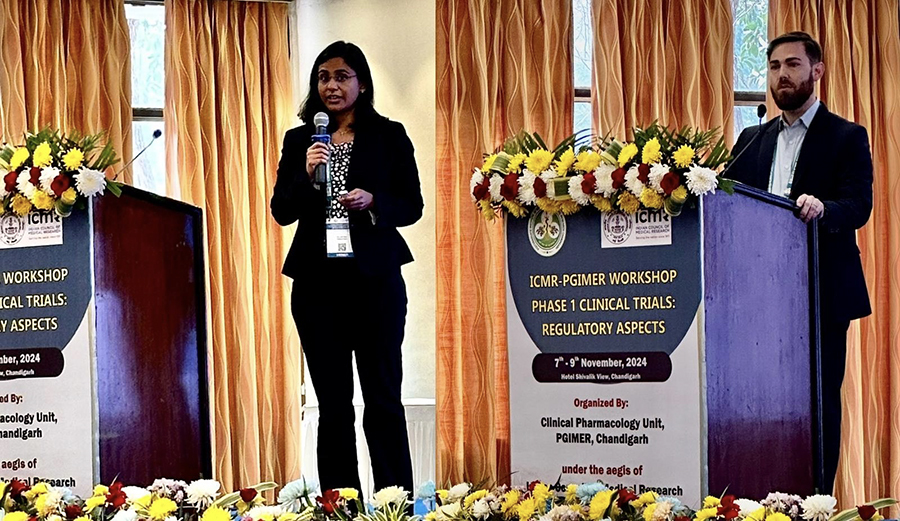
On India's National Cancer Awareness Day, Dr. Geetika Srivastava, an oncologist and director of the FDA’s Project ASHA; Greg Smith, director of the FDA’s India Office; and other FDA officials were honored to join a workshop in Chandigarh on regulatory aspects of Phase 1 clinical trials, a pivotal component in new drug research and development. The workshop was sponsored by the Indian Council of Medical Research and the Post Graduate Institute of Medical Education & Research, located in that Indian city. Project ASHA is an initiative launched earlier this year by the FDA Oncology Center of Excellence to increase oncology clinical trial access in India. While India accounts for nearly 20% of the global population, only 1.5% of global trials are conducted there.
December 1: World AIDS Day & Africa
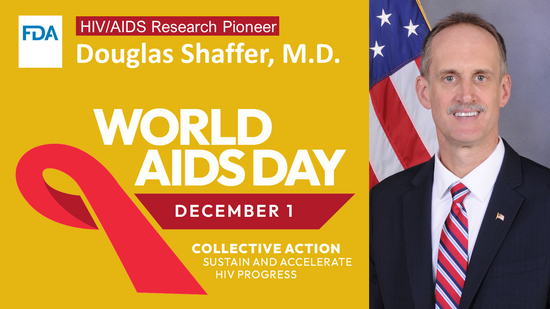
"I was in Africa at a time when HIV/AIDS was feared as a death sentence and hospitals were overflowing with illness and sadness. Access to antiretroviral drugs was a game changer and attenuated both disease and stigma.” Read more from HIV/AIDS Research Pioneer Doug Shaffer about his stories from Africa.
December 5: Mexico City
Our Latin America Office met with José Moya Medina, the representative to the Pan American Health Organization (PAHO) in Mexico, to learn about PAHO’s in-country activities and priorities in order to identify areas for collaboration or opportunities for synergies.
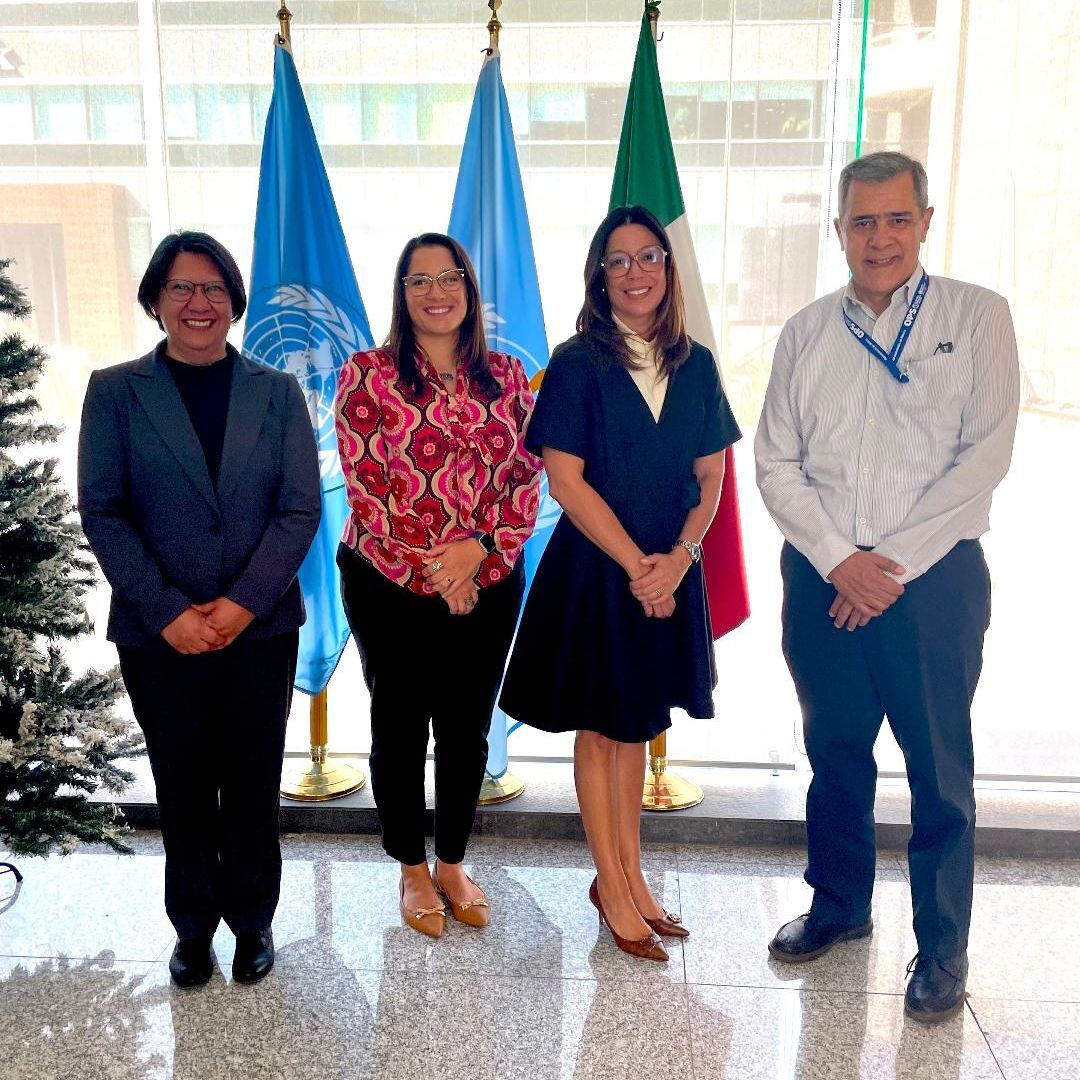 Pictured from left: the FDA's Patty Pineda, Vesa Vuniqi, and Michelle Rodriguez; and PAHO's José Moya Medina.
December 12: India
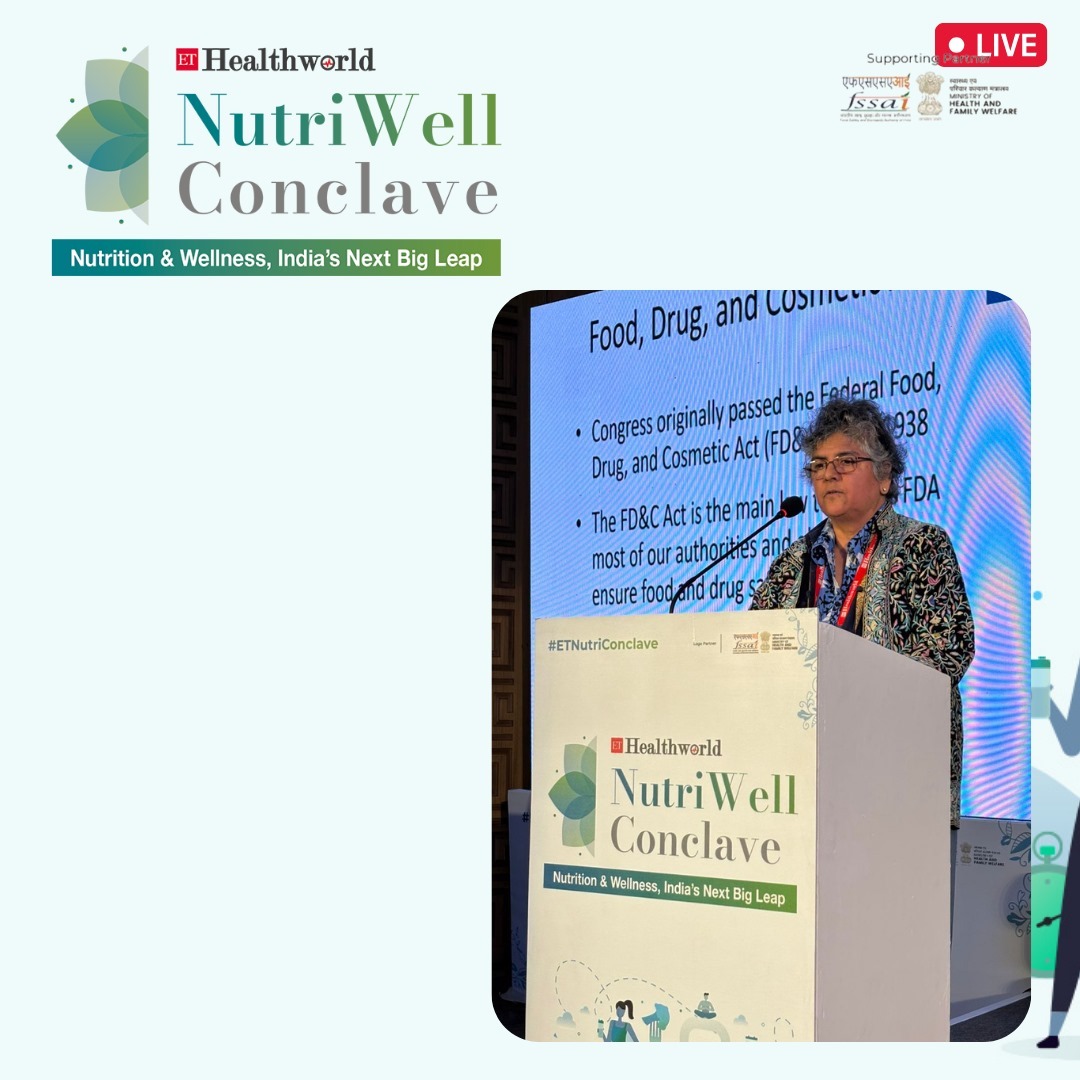
Dr. Pankaja Panda, FDA India Office Senior Technical Advisor for Food, spoke at the Healthworld NutriWell Conclave 2024.
|
|
|
Back to TOP
 Recent communications from OGPS to our international stakeholders (list does not include twice-weekly FDA Roundup summaries), October 17 through December 9, 2024.
|
|
|
Back to TOP

|
January 1
|
FDA opens the Voluntary Qualified Importer Program application portal for 'FY 2026
|
|
January 14
|
FDA and EMA host latest in series Conversations on Cancer – Cervical Cancer
|
|
February 3-4
|
DIA-FDA Biosimilars Workshop, Hyderabad, India
|
|
March 18-20
|
DIA Europe, Basel, Switzerland
|
|
June 15-19
|
DIA Global, Washington, D.C.
|
|
|
Read thought-provoking pieces covering international topics in
From A Global Perspective. |
|
Please follow @FDA_Global. |
|
|
Subscribe to Global Update
Don't miss out on future issues of Global Update or other international news from OGPS. To sign up, click "Manage Subscriptions" in the below footer then follow the prompts and select the "International Programs" box.
|
|
|
|
|