|
|
August 21, 2024: New funding opportunities for rare neurodegenerative diseases.
FDA has announced a new funding opportunity for the FDA Rare Neurodegenerative Disease Grant Program to fund clinical trials of products evaluating efficacy and/or safety in support of a new indication or change in labeling to address unmet needs in rare neurodegenerative diseases for children and adults. Through the support of collaborative, efficient and innovative clinical trials, the FDA hopes to exert a broad and positive impact by increasing the number of approved medical products for rare neurodegenerative diseases. Learn more.
June 27, 2024: More Treatments for Rare Diseases through the New START Pilot Program.
In a recent blog, Dr. Patrizia Cavazzoni, M.D., Director, Center for Drug Evaluation and Research, and Dr. Peter Marks, M.D., Ph.D., Director, Center for Biologics Evaluation and Research, shared the names of the selected Start Pilot Program participants and how it will help accelerate the development of novel drugs and biologics. For questions about the START Pilot Program, contact CDER’s START Pilot Program mailbox (CDER.STARTProgram@fda.hhs.gov) or CBER’s Office of Communication, Outreach and Development (ocod@fda.hhs.gov). For additional information about individual sponsors and products, please contact the sponsors directly. Learn more.
June 26, 2024: FDA reports information on real-world evidence submissions
FDA has posted a public report on submissions to the Center for Biologics Evaluation and Research and the Center for Drug Evaluation and Research that contain real-world evidence. Learn more.
June 21, 2024: FDA issues “New Drugs Regulatory Program Modernization – Impact Narrative Update 2023.”
In 2017, CDER began an initiative to modernize its New Drugs Regulatory Program (NDRP), to continuously improve regulatory science and review. A new report provides a detailed look at the strategic objectives and impact of NDRP modernization, as well as continued efforts toward reaching the program’s goals. For more information, please see this CDER Conversation with Yoni Tyberg, Associate Director of the Special Program Staff in the Office of New Drugs.
June 11, 2024: CDER launches Emerging Drug Safety Technology Meeting (EDSTM) Program
CDER’s Emerging Drug Safety Technology Meeting (EDSTM) Program allows applicants with an approved application and/or other relevant parties supporting industry’s pharmacovigilance activities (e.g., academia, contract research organizations, vendors, software developers) to meet with CDER staff to discuss their research, development, and use of AI and other emerging technologies in PV. Discussions and background information submitted through the EDSTM are nonbinding on both FDA and EDSTM requesters. Additional information about eligibility criteria, timelines, and processes, and how to request a meeting is available. Inquiries can be sent to AIMLforDrugDevelopment@fda.hhs.gov. (Please include the subject line “EDSTM – General Inquiry”).
June 2024: Determining Recommended Acceptable Intake Limits for N-Nitrosamine Impurities in Pharmaceuticals: Development and Application of the Carcinogenic Potency Categorization Approach (CPCA)
CDER researchers and international partners recently developed the Carcinogenic Potency Categorization Approach (CPCA) and its supporting scientific rationale. This rapidly applied structure-activity relationship-based method, which assigns potentially harmful nitrosamine impurities to one of five categories, each with an acceptable intake (AI) limit, was needed because many nitrosamine drug substance-related impurities (NDSRIs) lacked empirical data to establish acceptable AI limits. The CPCA has been adopted by several international drug regulatory authorities as a simplified approach and a starting point to determine recommended AI limits for nitrosamines without the need for compound-specific empirical data. Learn more.
May 23, 2024: CDER announces the availability of the FY 2023 GDUFA Science and Research Report.
The FY 2023 GDUFA Science and Research Report describes CDER’s active research projects and research outcomes that support the development and assessment of generic drug products. Learn more.
March 25, 2024: CDER Establishes New Quantitative Medicine Center of Excellence
FDA’s Center for Drug Evaluation and Research (CDER) announced the inauguration of a CDER Quantitative Medicine (QM) Center of Excellence (CoE). QM involves the development and application of exposure-based, biological, and quantitative modeling and simulation approaches derived from nonclinical, clinical, and real-world sources to inform drug development, regulatory decision-making, and patient care. Bringing together staff and leadership from the Office of Generic Drugs, the Office of New Drugs, the Office of Pharmaceutical Quality, and the Office of Translational Sciences in CDER, the CoE is intended to
- Spearhead QM-related policy development and best practices to facilitate the consistent use of QM approaches during drug development and regulatory assessment,
- Facilitate systematic outreach to scientific societies, patient advocacy groups, and other key stakeholders, and
- Coordinate CDER’s efforts around QM education and training.
March 8, 2024: Developing Biomarkers to improve diagnosis of Traumatic Brain Injury
CDER’s Biomarker Qualification Program is collaborating with the University of Maryland School of Pharmacy and the Shock Trauma Center to develop biomarkers obtained from blood samples around the time of injury that could be used to improve clinical trials of drugs for Traumatic Brain Injury (TBI). Currently TBI is diagnosed through clinical assessments, but these assessments can be difficult to administer if the person is unconscious, inebriated, or injured. Thus far, the researchers have characterized how these blood-based biomarkers change during a TBI event in mice, and blood samples from patients with confirmed TBI are currently being collected and analyzed. Learn more.
PODCAST
CDER Small Business and Industry Assistance Chronicles Podcast

Podcast: Considerations for Drug Products that Contain Nanomaterials In an interview with Dr. Alexa Mino-Olivares, Dr. Andrei Ponta, a chemist in CDER’s Office of Pharmaceutical Quality, introduces drugs containing nanomaterials, and discusses their diversity, applications, and potential. He outlines challenges in characterizing these products and highlights resources FDA has made available to developers, most notably the guidance for industry entitled “Drug Products, Including Biological Products That Contain Nanomaterials,” which makes recommendations for how such products should be evaluated in terms of potential risk factors, quality recommendations, clinical and nonclinical studies, and environmental impacts.
|
SPOTLIGHT ON CDER SCIENCE
Spotlight: Disease Awareness and Prescription Drug Communications on Television: Evidence for Conflation and Misleading Product Impressions
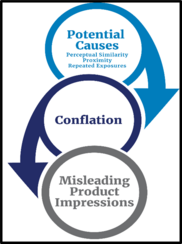
In this Spotlight on CDER science, CDER researchers conducted two experimental studies among adult asthma patients to determine how the similarity, proximity, and frequency of exposure to a disease awareness communication and prescription drug television advertisement impact consumer perception and understanding of the benefits and risks of a prescription drug. Overall, the researchers found that consumers conflated the drug’s benefits and risks when they were exposed to both a disease awareness communication and drug advertisement, regardless of the similarity and proximity between the advertisements. Beyond a single exposure, the number of exposures participants had to the disease awareness communication did not lead to additional conflation of information from that communication with information from the drug advertisement. Knowing that conflation caused by these advertising features occurs is important because it offers an opportunity for pharmaceutical companies to consider these features when developing prescription drug advertising and disease awareness communications. Learn more.
|
|
|
REGULATORY SCIENCE IMPACT STORIES |
|
A Novel Method for Rapid Glycan Profiling of Therapeutic Monoclonal Antibodies
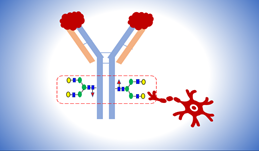
Antibody (Ab)-based drug products are targeted protein-based therapeutics that are integral to the treatment of cancer and other chronic conditions. Complex carbohydrate structures called glycans that are added to these proteins in cells mediate both the therapeutics’ cell killing activities and the patient’s immune responses to them. Thus, these structures are critical attributes that must be carefully monitored during manufacturing. To address this need, CDER researchers used the binding specificity of proteins called lectins to devise a new method for analyzing glycan structures on Ab-based therapeutics. This high-throughput method has the potential to enhance the development, manufacture, and quality of these increasingly indispensable class of medicines. Learn more.
|
|
|
Tools That Aid Design of Efficient and Informative trials in Parkinson’s, Alzheimer’s, and Other Neurologic Diseases

CDER has worked with researchers at the Critical Path Institute to develop a series of computational tools for simulating clinical trials for drugs intended to treat neurological conditions such as Alzheimer’s disease, Parkinson’s disease, and Duchenne muscular dystrophy. These “Model-Informed Drug Development Tools” and their graphical user interfaces can support design and conduct of potentially more efficient and informative trials (e.g., those with adaptive elements) and provide regulators and sponsors with a platform to discuss clinical trial design in regulatory submissions. These new tools may also aid patient recruitment (e.g., potential trial participants may be more willing to enroll in trials where they are allowed to switch to promising experimental treatments.) Learn more.
|
|
|

This section provides highlights of select CDER research recently published in scientific journals.
|
A multi-analyte assay of opioids in active pharmaceutical ingredients and drug products using high-performance liquid chromatography and high-resolution mass spectroscopy
CDER scientists have developed and validated a protocol combining liquid chromatography and mass spectroscopy that can detect multiple opioid molecules simultaneously. They report on the protocol’s performance and discuss its usefulness in ensuring that that illicit opioids do not enter the prescription opioid supply.
Bumetanide as a Model NDSRI Substrate: N-Nitrosobumetanide Impurity Formation and its Inhibition in Bumetanide Tablets
Nitrosamines are potentially carcinogenic organic compounds that can be formed during drug manufacturing and have necessitated several drug recalls. CDER researchers report on an approach they have developed for reducing the formation of certain nitrosamines based on pH adjustment and addition of antioxidants.
A network of regulatory innovations to improve FDA quality assessments of human drug applications
The authors describe recent innovations in how CDER organizes and assesses the large volume of data in drug applications, including the introduction of structured regulatory submissions; a systems approach to quality risk management; and data-driven decision-making processes that are based on science, risk, and effective knowledge management.
Challenging the status quo: a framework for mechanistic and human-relevant cardiovascular safety screening
FDA authors describe deficiencies in the current paradigm for preclinical safety assessment of cardiovascular drug candidates, including its heavy reliance on late-stage animal studies that typically fail to provide mechanistic insights that could inform development of other candidates. They outline a framework for multi-tiered assessment that leverages our understanding of human cardiovascular biology, applies human cell-based in vitro characterizations of cardiovascular responses to insult, and incorporates computational models of pharmacokinetic relationships that could enable earlier and more translational identification of human-relevant liabilities.
Physiologically based modeling reveals different risk of respiratory depression after fentanyl overdose between adults and children.
CDER researchers extended a previously developed translational mode of drug-induced respiratory repression to cover pediatric populations by incorporating age-dependent pharmacokinetic, pharmacodynamic, and physiological differences compared to adults. Model simulations suggested that in a community setting where mechanical ventilation and supplemental oxygen procedures are not immediately available higher oxygen demand and reduced cerebrovascular reactivity could make children more susceptible to severe hypoxemia and brain hypoxia than adults at similar plasma fentanyl concentrations.
Quantification of sertraline maternal/fetal ratio and amniotic fluid concentration using a pregnancy physiologically based pharmacokinetic model
More than 10% of women take selective serotonin reuptake inhibitors (e.g., sertraline) during pregnancy. A physiologically based pharmacokinetic model developed by CDER researchers that captures transplacental passage of sertraline may serve as an improved guide for maternal dose adjustment that takes into consideration changes in exposures for both mother and fetus.
Evaluation of somatic copy number variation detection by NGS technologies and bioinformatics tools on a hyper‑diploid cancer genome
Copy number variation (CNV) is a key genetic characteristic for cancer diagnostics and can be used as a biomarker for the selection of therapeutic treatments. A team led by CDER scientists benchmarked the performance of cancer CNV calling by six commonly used software tools on their detection accuracy, sensitivity, and reproducibility. This study raises awareness within the cancer research community for the selection of sequencing platforms, sample preparation, sequencing coverage, and the choice of CNV detection tools.
|
|
|
FDA’s Regulatory Science
Regulatory Science is the science of developing new tools, standards, and approaches to assess the safety, efficacy, quality, and performance of all FDA-regulated products. Learn more at https://www.fda.gov/science-research/science-and-research-special-topics/advancing-regulatory-science and Researching FDA – YouTube.
FDA: Overview of our Role Regulating and Approving Drugs | Video Series
FDA oversees prescription, generic, biosimilars, and over-the-counter drugs. Learn more at Overview of our role regulating and approving drugs | Video series | FDA
CDER’s Regulatory Science Program Areas
CDER’s diverse research programs address a wide variety of critical areas that affect drug safety and manufacturing quality. Learn more at https://www.fda.gov/drugs/science-and-research-drugs/cders-regulatory-science-program-areas.
Research Tools and Resources
Developing and sharing knowledge and scientific resources with researchers in the public and private sectors is at the heart of what CDER scientists do. Learn more about scientific tools and resources at CDER/FDA at https://www.fda.gov/drugs/science-and-research-drugs/research-tools-and-resources.
Office of New Drugs- Regulatory Science Research
The Office of New Drugs (OND)-led regulatory science research projects are designed to address knowledge gaps identified during regulatory review of investigational or new drug applications. Learn more about these research programs at https://www.fda.gov/about-fda/center-drug-evaluation-and-research-cder/office-new-drugs-regulatory-science-research.
Office of Generic Drugs- Science and Research
The Office of Research and Standards within the FDA's Office of Generic Drugs (OGD) supports the Science and Research program established under the Generic Drug User Fee Amendments (GDUFA). In collaboration with industry and the public, FDA creates an annual list of its regulatory science initiatives on generic drugs. Learn more at https://www.fda.gov/drugs/generic-drugs/science-research.
CDER- Training and Education
Information on learning opportunities for healthcare professionals, researchers in industry and academia, students, and consumers can be accessed at https://www.fda.gov/Training/ForHealthProfessionals/default.htm.
|
|
|
Information on upcoming meetings, conferences, and workshops sponsored or co-sponsored by CDER, click here.
Some of the events are listed below:
September 9-11, 2024: 2024 PDA/ FDA Joint Regulatory Conference
FDA and Parenteral Drug Association (PDA) will host the 33rd Joint Regulatory Conference to emphasize the role of effective quality systems in ensuring an ongoing state of control throughout the product lifecycle. This conference is designed to share systemic and preventive approaches that are foundational to CGMP compliance and ensure effective ongoing management of manufacturing and supply chain risks. Learn more.
September 19-20: Food and Drug Administration/National Institutes of Health Joint Workshop: Developing Implanted Brain-Computer Interface Clinical Outcome Assessments
The Food and Drug Administration (FDA) and National Institutes of Health (NIH) are announcing a public workshop to engage with stakeholders in the implanted brain-computer interface device ecosystem. The purpose of the workshop is to discuss the development of clinical outcome assessments (COAs) to evaluate the effectiveness of implanted brain-computer interfaces (BCIs) i.e., neuroprostheses that interface with the central nervous system to restore lost motor and/or sensory capabilities in people with impairments in motor function and/or communication. The registration deadline for this hybrid workshop (it will be held at FDA’s White Oak campus and also webcast) is September 12. Learn more.
September 24 - 25, 2024 Advancing Generic Drug Development: Translating Science to Approval Workshop
This workshop provides a unique opportunity for scientists, researchers, current and prospective generic drug applicants, and regulatory affairs professionals to learn how to improve generic drug development. Topics covered include the following:
- Advancement in vitro characterization methodologies
- Research to support guidance development on complex products including drug-device combination products, topical products, and inhalation products
- Spotlights on recent generic drug review and approval by the FDA
- Efforts to ensure efficient and consistent high quality generic drug development
Learn more.
October 3, 2024: Guidance Development and Regulatory Assessment of Generic Topical and Dermal Drug Products Workshop
The Food and Drug Administration (FDA), in collaboration with the American Association of Pharmaceutical Scientists (AAPS), proudly present a virtual workshop on generic topical and dermal drug products. At this event, we will delve into the intricacies of generic topical and dermal drug products, addressing the challenges and opportunities in their guidance development, regulatory assessment, and approval. Workshop Topics:
- Development of PSG recommendations for topical and dermal drug products
- Topical dermatologic corticosteroids: in vivo bioequivalence study guidance
- Common deficiencies in topical and dermal products: IVRT, IVPT and beyond
Learn more.
October 7-8, 2024: Scientific and Regulatory Considerations for Assessment of Immunogenicity Risk for Generic Peptide and Oligonucleotide Drug Products Workshop
The purpose of this workshop is to engage with industry, academia, and FDA in a discussion on the scientific and regulatory challenges associated with immunogenicity risk assessment for proposed generic peptide and oligonucleotide drug products. Experts from the FDA, new and generic drug developers, academic institutions, contract research organizations (CROs), consultants and other scientists. The workshop will a allow all interested parties to participate in in depth discussions via working sessions to analyze examples. Learn more.
October 9, 2024: ICH M12 Drug-Drug Interaction Studies Final Guidance
This virtual webinar will discuss the ICH M12 Drug Interaction Studies guidance which is the first globally harmonized regulatory guidance on assessments of pharmacokinetic drug interactions mediated by metabolic enzymes and drug transporters. The guidance describes a systemic approach to evaluation of the drug interaction potential of investigational drugs during drug development and regulatory review. Learn more.
October 16, 2024: Advancing Rare Disease Therapies Through an FDA Rare Disease Innovation Hub Meeting
FDA’s Rare Disease Innovation Hub, in collaboration with the Reagan-Udall Foundation for the FDA, will host a public meeting on October 16, 2024. The meeting will bring together rare disease patient advocates, academic researchers, regulated industry, and other key stakeholders to discuss how the recently announced Rare Disease Innovation Hub can best engage with members of the rare disease community and prioritize its work. This is a hybrid event with options to participate in-person or virtually. Learn more.
October 16, 2024: Global IDMP Implementation - Getting Closer to the Goal
This virtual webinar will present an overview of the end-to-end testing results for the Global Pharmaceutical Product Identification Service operating model, which generates global pharmaceutical product identifiers for marketed medicinal products. The session will detail the model's readiness for deployment, including its software functionality, interoperability, processes, and business rules. Additionally, results from simulated real-world scenarios across three global IDMP use cases—Pharmacovigilance, Drug Shortages, and Cross-border Healthcare—will be discussed. Learn more.
October 28-30, 2024: 2024 DIA/FDA Oligonucleotide-Based Therapeutics Conference
This conference will enable dialog between regulators and industry from Chemistry Manufacturing and Controls (CMC), Nonclinical, Clinical Pharmacology, and Clinical disciplines to address the developmental advances, safety, and challenges in the field of oligonucleotide-based therapeutics. Learn more.
November 4-6, 2024: Scientific Computing and Digital Transformation Symposium
The FDA Scientific Computing Board (SCB) and the Office of Digital Transformation (ODT) are cohosting this year's Symposium with the theme “Solutions for Public Health: Uniting Scientific Computing, Enterprise IT, and Innovative Technologies”. The symposium will focus on scientific computing and how we are furthering FDA’s IT Strategic Plan. There will also be joint sessions on these two topics:
- Artificial Intelligence (AI) in Public Health: Explore how AI can revolutionize the FDA’s public health mission.
- Data Sharing & Access: Discuss new approaches to break down data silos and accelerate scientific progress
Learn more.
November 15, 2024: Nonprescription Analgesic/Antipyretic Drug Development in Children 2 to Less Than 12 Years of Age
The Food and Drug Administration is holding this public workshop to discuss the current nonprescription analgesic/antipyretic treatment options available for children 2 to less than 12 years of age and the development needs for additional oral nonprescription treatment options containing acetaminophen and/or NSAIDs for pain, fever, or both for the same pediatric population. Please check back for an updated agenda. Learn more.
|
|
Employment
FDA continues to recruit and retain a world-class workforce dedicated to protecting and promoting public health. Information on job vacancies, employment events, and hiring programs can be found by following @FDAJobs on Twitter and by visiting FDA’s LinkedIn page, Jobs at CDER, or the Career Opportunities at CDER webpage. In addition, you can contact OTS directly at CDEROTSHires@fda.hhs.gov. Help us spread the news through your social media networks!
Scientific internships and fellowships
FDA continues to recruit and retain a world-class workforce dedicated to protecting and promoting public health. Information on job vacancies, employment events, and hiring programs can be found by following @FDAJobs on Twitter and by visiting FDA’s LinkedIn page, Jobs at CDER, or the Career Opportunities at CDER webpage. In addition, you can contact OTS directly at CDEROTSHires@fda.hhs.gov. Help us spread the news through your social media networks!
|
|
|
For more information, please visit the FDA In Brief Webpage.
Scientific Internships and Fellowships / Trainees and Non-U.S. Citizens
Whether you’re an undergraduate looking to pursue a career in science, a graduate student seeking experience in regulatory science, a postgraduate looking for fellowship opportunities, or a senior scientist pursuing research experience in your field of expertise, FDA offers you many paths to learning about the exciting field of regulatory science. Click here for more information.
|
|
|
|
|