|
If your email program has trouble displaying this email or images, view as a webpage.
|
|
|
Back to TOP
 MDSAP’s Latest Meeting Draws Interest from European Regulators
When regulators from five countries stood up the Medical Device Single Audit Program (MDSAP) in 2017, the European Union elected to maintain its status as an Official Observer, rather than become a full Regulatory Authority Council (RAC) member.
Although that membership status hasn’t changed, those who attended the MDSAP Forum in June saw signs of growing European interest in the program, based on the in-person support and active participation by the European delegation.
MDSAP is a voluntary certification program that evaluates a medical device manufacturer’s quality management system. Medical device manufacturers who decide to participate are audited annually by a third-party auditor recognized by MDSAP. A single regulatory audit of a medical device manufacturer can be used to satisfy the relevant requirements of the participating RAC members, who serve as the decision-making body of MDSAP. Currently, the Therapeutic Goods Administration of Australia, Brazil’s Agência Nacional de Vigilância Sanitária, Health Canada, Japan’s Ministry of Health, Labour and Welfare, and the Japanese Pharmaceuticals and Medical Devices Agency are RAC members, along with the FDA.
The FDA will accept MDSAP audits in lieu of a routine inspection. The other participating RAC members use MDSAP to streamline premarket and/or postmarket medical device regulatory processes. For a full list of program benefits, see the MDSAP Question and Answer document posted on the FDA's MDSAP webpage.
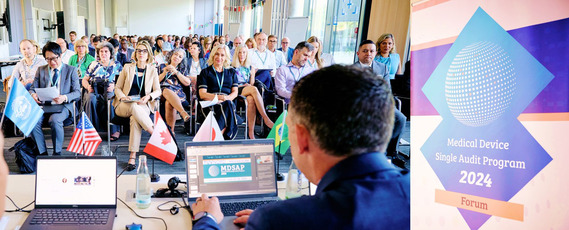 Although the European Commission was critical to the early development of MDSAP, in recent years the Commission had to focus its attention on revising and implementing new Medical Device Regulations and In-Vitro Diagnostics Regulations. Now that those regulations have been revised, the European Commission has started re-engaging in MDSAP discussions and has increased its participation in the program.
In Q4 2023, MDSAP participants decided to hold their annual forum in Essen, Germany, at the TÜV NORD headquarters. TÜV NORD is the parent company of TÜV USA, which is one of the recognized MDSAP auditing organizations. The focus of the MDSAP forum in 2024 was to educate European stakeholders about MDSAP, provide programmatic updates, and obtain feedback from European manufacturers on how MDSAP is working for them, said Neil Mafnas, senior program management officer in the FDA’s Center for Devices and Radiological Health.
Regulators from the Czech Republic, Denmark, France, Germany, Poland, Spain, and Turkey attended the meeting, as well as European medical device trade organizations and medical device manufacturers that market devices in Europe. From June 24-28, MDSAP RAC members, Official Observers, and Affiliate Members provided regulatory updates. RAC members also provided updates on MDSAP operations and conducted several workshops to give stakeholders a better understanding of the program.
“Although the European Commission did not indicate how it would move forward, the MDSAP organization is optimistic about the future of the program in Europe,” Mafnas said. MDSAP regulators will prioritize more opportunities to engage with European stakeholders and promote the program in that region of the world, he added.
Official Observers commit to using MDSAP audit reports and/or certificates for regulatory purposes. Observers also promote MDSAP and may participate in assessment activities or evaluations by an MDSAP-recognized third-party auditor. Observers are able to participate in MDSAP work groups but have no decision-making responsibilities/authority. To become an Official Observer, there is an application and approval process. In general, the applying organization must be a regulatory authority, have established systems for assessing a manufacturer’s medical device quality systems, have a confidentiality commitment in place with MDSAP RAC members and other Observers, and demonstrate a perceived contribution or value to MDSAP. Moreover, prior to applying as an Official Observer, the regulatory authority must serve as an Affiliate Member for three consecutive years.
Other Official Observers include Singapore's Health Sciences Authority, the United Kingdom's Medicines and Healthcare products Regulatory Agency, and the World Health Organization Prequalification of In Vitro Diagnostics Program.
MDSAP has been praised for reducing the regulatory burden on medical device manufacturers by reducing the number of regulatory audits; providing predictable audit schedules; reducing manufacturer time and resources in dealing with findings from multiple audits; improving transparency; and benefiting patient health and patient access — all as a result of streamlining the regulatory requirements for marketing devices in multiple jurisdictions.
Global Health Expert Doug Shaffer Accepts Appointment at International Vaccine Institute
After 27 years of service to the United States in some of the most challenging international locales — including over 20 years in sub-Saharan Africa — Douglas (Doug) Shaffer, M.D., M.H.S., B.S. Pharm, is leaving the FDA’s Office of Global Policy and Strategy (OGPS) and retiring from federal government. But the FDA’s loss is the gain of the nonprofit International Vaccine Institute (IVI), which has selected Shaffer as the Deputy Director General of Global Affairs and Communications, based in Nairobi, Kenya.
Established in 1997 as an initiative by the United Nations Development Programme, the IVI is focused on the development and delivery of safe, effective, and affordable vaccines for global health. The organization’s portfolio includes vaccines at all stages of preclinical and clinical development for infectious diseases that disproportionately affect low- and middle-income countries — including chikungunya, cholera, COVID-19, hepatitis E, HPV, salmonella, schistosomiasis, shigella, typhoid, and others. The IVI developed the world’s first low-cost oral cholera vaccine, prequalified by the World Health Organization (WHO), as well as a new-generation typhoid conjugate vaccine that also attained WHO prequalification in early 2024.
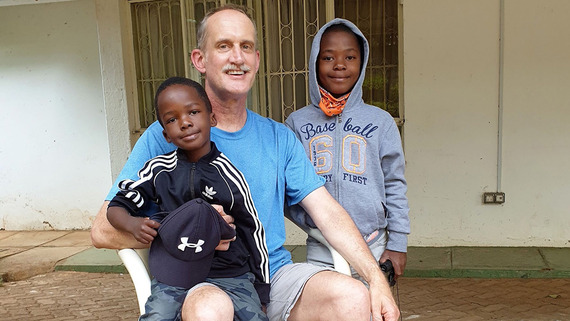 Douglas Shaffer, a public health leader whose heart is as big as Africa itself. We in OGPS are honored to have had the opportunity to know him as a colleague.
The IVI will benefit from Shaffer’s decades of government service, more than half of which has been spent overseas working in 12 sub-Saharan African countries, most notably in Kenya and Rwanda. He has served in a variety of governmental positions and has led complex interagency programs at both the Departments of Health and Human Services (HHS) and State, and the U.S. Army. His work has included clinical care and research, regulatory affairs, global health diplomacy, and developing local capacity and leadership. As a medical officer in the FDA’s Center for Drug Evaluation and Research (CDER) from 2000-2004, Shaffer authored several peer-reviewed publications and received numerous Individual, Team, and Special Leveraging/Collaboration awards.
Shaffer first came to OGPS in July 2022, while on a detail with HHS. A year later, he was selected by Associate Commissioner Mark Abdoo as an Associate Director in the OGPS Immediate Office, making his formal return to the FDA after a gap of nearly 20 years. There, he became the lead for interagency initiatives. These included the President's Emergency Plan for AIDS Relief (PEPFAR) — the largest funding commitment by any nation to address a single disease in the world, credited with not only saving millions of lives but also helping to change the trajectory of the global HIV epidemic. Shaffer also worked on such priority initiatives as helping establish the African Medicines Agency (AMA), which is dedicated to improving access to quality, safe, and effective medical products in Africa; and improving access to antiretroviral (ARV) drugs to treat HIV in Africa in collaboration with the WHO.
 The children of Nandi Hills. Image courtesy Douglas Shaffer.
When asked to describe one highlight of his long and diverse career, Shaffer noted, “I am a clinician – and pharmacist – at heart. PEPFAR is certainly at the top.” He witnessed how PEPFAR brought lifesaving treatment to communities and changed the trajectory of HIV in Africa through ARVs. He divides this time into three buckets: Pre-PEPFAR, PEPFAR, and Post-PEPFAR Global Health Diplomacy.
Pre-PEPFAR, Shaffer taught medicine and helped establish Kenya’s second Institutional Review Board/Independent Ethics Committee at Moi Teaching and Referral Hospital, which was registered with the HHS Office for Human Research Protections, allowing the institution to apply for and receive HHS-sponsored research funding. The experience gave him the opportunity to work with a talented team doing qualitative research that helped develop policies around participating in pre-PEPFAR clinical trials, outlining participant preferences and commitments to post-trial access to ARVs.
When Shaffer initially left the FDA in 2004 it was to join the first U.S. Embassy PEPFAR team in Kenya. "I was in Africa at a time when HIV/AIDS was feared as a death sentence and hospitals were overflowing with illness and sadness,” Shaffer said. “Access to ARVs was a game changer and attenuated both disease and stigma.”
 Little boy discovers the joy of water. Image courtesy Douglas Shaffer.
Living mostly in the tea fields and plantations of rural Kenya, he worked on a program with the primary goal of advancing HIV vaccine candidates through clinical trials. “It was a remarkable time, from working with the embassy team on rolling out the emergency response with the government of Kenya, to opening up HIV prevention, care, and treatment programs in more rural settings where I lived. Working hand in hand with health care providers, it was critical to have access to HIV services in rural settings, particularly before starting clinical trials,” he said.
Shaffer spent a few years in Rwanda, working from the U.S. Embassy in Kigali, the country’s capital. His work there largely focused on PEPFAR but also supported the President’s Malaria Initiative, along with field epidemiology and laboratory training. The period was characterized by government-to-government program transitions of eligible grants and cooperative agreements that had been implemented primarily by U.S. academic institutions to the Rwandan Ministry of Health. "The time period coincided with the 20th anniversary of Rwanda’s genocide,” he said. “Seeing the Ministry of Health assume primary oversight of many health programs funded by the U.S. government seemed symbolic.”
Shaffer returned to the State Department to serve as Chief Medical Officer at the U.S. Office of the Global AIDS Coordinator and Health Diplomacy prior to returning to the U.S. Embassy in Kenya as the HHS Health Attaché. This post-PEPFAR period, dominated in large part by COVID-19, meant for Shaffer a transition to more policy work and global health diplomacy. The shift gave him a unique opportunity to do interagency work more broadly beyond the traditional health agencies and collaborate with economic, political, and foreign commercial teams. He served as the U.S. embassy’s initial COVID-19 coordinator working with the Kenyan Ministry of Health on its response and coordinating across the embassy with its medical division, the MED Unit, and other sections.
He remains friends with many health care providers in Kenya and across sub-Saharan Africa who helped turn the tide of the HIV epidemic, considering them — like many involved in PEPFAR — “heroes to their patients, communities and villages, and countries.”
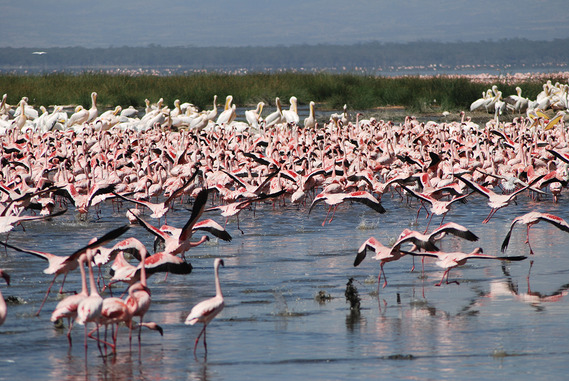 Flamingos take flight at Lake Nakuru. Image courtesy Douglas Shaffer.
Shaffer graduated from the West Virginia University Schools of Pharmacy and Medicine with active licensures in pharmacy and medicine and American Board of Internal Medicine certification. He completed clinical research training at the National Institutes of Health while obtaining a Master of Health Sciences in clinical research from Duke University. He is a member of the Alpha Omega Alpha Honor Medical Society and Fellow of the American College of Physicians and Royal College of Physicians.
As for his new assignment, an IVI press release notes that “Dr. Shaffer brings extensive experience in clinical research, medical education, regulatory strengthening, capacity building, and global health diplomacy.” As he might say in Swahili, “Asanteni nyote. Na baraka kwenu nyote,” which means “Thank you all. And blessings to you all!”
NRAr Members Back Importance of International Harmonization
The Americas' National Regulatory Authorities of Regional Reference (NRAr) reaffirmed the importance of regulatory convergence and the implementation of international consensus standards during their semiannual meeting in Washington, D.C., on June 12-13.
The NRAr includes medical product regulatory authorities from Argentina, Brazil, Canada, Chile, Colombia, Cuba, Mexico, and the United States that have been designated as having high levels of oversight capacity by the Pan American Health Organization (PAHO). In addition to this group, regulators from Costa Rica, Honduras, and Paraguay were invited as observers of the June meeting. The FDA is the chair of the NRAr for 2024.
 During the meeting at PAHO’s Washington, D.C., headquarters, members committed to work toward achieving harmonization and convergence following the processes of the International Council for Harmonisation (ICH) of Technical Requirements for Pharmaceuticals for Human Use, and to increase their participation in the International Medical Device Regulatory Forum (IMDRF).
The ICH brings together regulatory authorities and the pharmaceutical industry to develop technical guidelines and requirements for pharmaceutical product development and registration. The IMDRF is a voluntary group of medical device regulators who aim to accelerate international medical device regulatory harmonization and convergence. Following the meeting, several regulatory authorities applied for IMDRF as affiliate members, which enables them to attend open IMDRF meetings, participate in IMDRF working groups, and use IMDRF documents in part or in whole as the basis for their own regulatory framework.
 The NRAr members agreed to schedule a webinar on advanced technologies at their next meeting in December and to leverage additional training opportunities through the ICH on priority topics such as generic drugs and biosimilar biologics regulation. In addition, they committed to continuing to work toward transitioning to the World Health Organization’s (WHO) Global Benchmarking Tool, which enables regulatory authorities to conduct self-assessments and the WHO to evaluate strengths and areas for improvement. The tool features almost 300 indicators and sub-indicators that evaluate an agency's ability to perform effectively in nine different areas of regulation during a medical product’s life cycle.
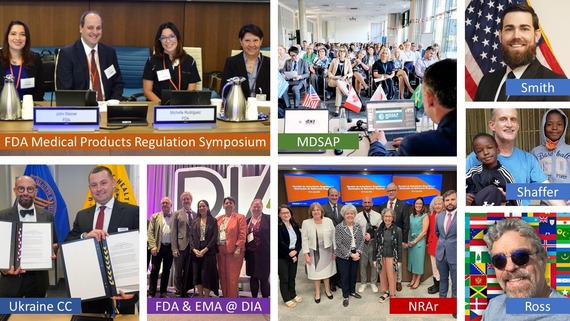
The NRAr meeting was preceded by a daylong public FDA Medical Products Regulation Symposium that provided training on such topics as how to apply to the IMDRF, steps to supporting regulatory convergence and reliance through a pharmaceutical quality knowledge management capability, and the FDA’s approach to advanced therapies, generic drugs and bioequivalence testing, and to the GBT.
FDA Announces Partnership with Gates Foundation to Accelerate Device Development for Underserved Populations
The FDA Center for Devices and Radiological Health recently announced a new partnership with the Bill & Melinda Gates Foundation to support the development of breath-based diagnostic devices that could be used at the point of care. These breathalyzers could be more easily deployed in underserved areas — both domestically and globally — to detect such diseases as tuberculosis (TB).
 Mycobacterium tuberculosis bacteria.
Image courtesy of National Institute of Allergy and Infectious Diseases.
But before these devices can be created, novel analytical methods are needed that can identify the thousands of molecules exhaled in human breath that act as a sort of breath “fingerprint” for an individual and their state of health. The $1.9 million grant from the Gates Foundation will facilitate creation of these analytical methods.
The partnership will support innovators as they develop, curate, and validate an interactive web database of breath samples from healthy individuals and people infected with the bacterium that causes tuberculosis. The project will also include development of a new web application to analyze mass spectrometry data.
The database — which uses spectral criteria and a scoring system based on analytical chemistry — can be used by health workers and researchers to help identify important diagnostic indicators for TB patients. These methods are intended to help drive confidence in measurement techniques and ultimately reduce risk for both medical device innovators and regulators.
The FDA will collaborate with the Department of Commerce’s National Institute of Standards and Technology, which has signed a $2 million research and development agreement with the Gates Foundation to design testing equipment that can benchmark a breathalyzer's performance.
Disease detection in remote, rural, and impoverished areas is challenging. For example, medical professionals currently diagnose TB by taking a sample of sputum (cough mucus), a costly procedure that requires access to technical equipment and often a laboratory for processing samples. Portable breathalyzers would help developers create a more efficient, affordable option for widespread disease detection in medically underserved populations.
|
|
|
Back to TOP

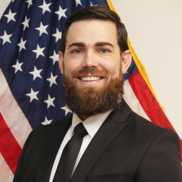
This July, Gregory (Greg) Smith advanced from deputy director to director of the FDA’s India Office, replacing Sarah McMullen, who has moved to Beijing to lead the FDA office there.
As deputy director, Smith was responsible for administrative functions and staff oversight and was instrumental in overseeing the execution of strategic initiatives impacting both foods and medical products. He also played a leading role in orchestrating the first visit of an FDA Commissioner to India in nine years, a trip that was pivotal in encouraging the government of India to increase its engagements at the international level and prioritize a culture of quality and practices that ensure the integrity of manufacturing and clinical data.
McMullen remembers Smith’s first day in in 2022. She was away from the office on travel status, but there was an urgent meeting in New Delhi that came up with an in-country stakeholder. She thought it would be a good opportunity for Smith to attend. Little did she know it would end up being one of the tensest meetings the office ever encountered. Nevertheless, Smith kept his cool — and gained an experience to remember.
“We still laugh about ‘getting thrown in the deep end,’ and I know from that experience and countless others that Greg is the right person to be leading the India Office with his knowledge, his diplomacy, his care for others, and the confidence he evokes in the office to move the critical work of FDA, HHS, and the U.S. government forward,” said McMullen. “I’m excited to see the office continue to flourish under his leadership.”
|
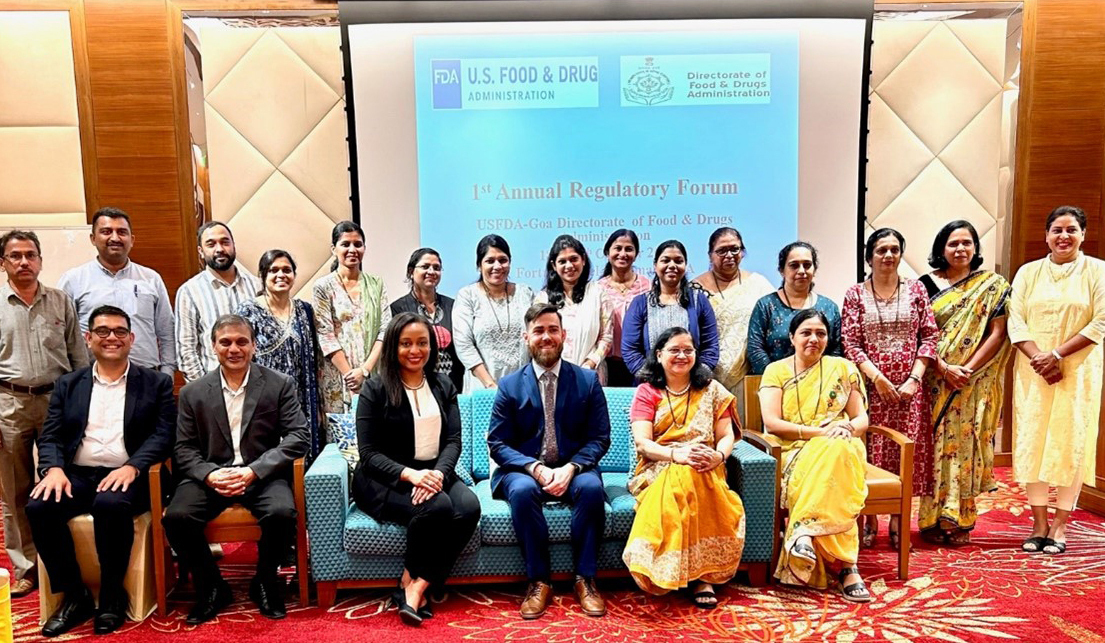 Smith (seated center) at the 1st Annual Regulatory Forum with the Indian state of Goa. India's regulatory oversight is spread across the central and state governments.
In addition to his work in India, Smith has engaged with government and industry in Sri Lanka and Bangladesh to enhance the FDA’s understanding of regional considerations for food production, ensure access to safe and effective medical products, and address the challenges of managing substandard and falsified products. He has also worked to ensure that the FDA’s consumer safety officers assigned to post or who travel to India are able to conduct impactful inspections.
Smith first joined the India office as an international relations specialist for drugs before becoming deputy director. His FDA career spans 13 years, first working as a project manager in CVM’s Office of New Animal Drug Evaluation serving as the primary liaison between industry sponsors and CVM review teams on the drug approval process. He moved on to become the director of CDER's Special Projects Staff in the Office of Executive Programs, leading complex and mission-critical scientific, regulatory, legislative, and operational issues — including user-fee negotiation, supply chain assessment, legislative implementation, organization-wide governance, and portfolio management.
His professional experience includes project management for various aspects of Phase I-IV clinical trials, risk evaluation and mitigation strategies, postmarketing, and surveillance initiatives for global contract research organizations. Smith is a certified project and portfolio management professional who graduated with a bachelor’s degree in communications and public relations from the University of Maryland, College Park.
After 34 Years, Globetrotter Ross Hangs Up His Shoes
From Beijing to Uganda, OGPS’ own Bruce Ross has had a remarkable career of working and living all over the globe. His has been one of extraordinary diversity, accomplishment, and impact. And in bittersweet fashion, it ends this month with his retirement after 34 years of federal service.
His extensive overseas experience began in 1995 with a three-year detail within the U.S. Agency for International Development Regional Mission for Central Asia based in Almaty, Kazakhstan. There he served as deputy regional director for the Central Regional Asia Office of the Centers for Disease Control. He went on to complete a two-year detail to the Carter Center’s Global 2000 Guinea Worm Eradication Program as the resident technical advisor for South Sudan, based in Nairobi, Kenya.
 Ross initially came to the FDA in the former Office of International Programs (OIP) in 2008 serving as director of the Asia and Africa Offices before transitioning into a four-year stint as director of the FDA India Office beginning in 2009. After that was an assignment as the deputy director of the Latin America Office (LAO) based in Mexico City. In 2015, Ross returned to FDA headquarters working in the Office of Regulatory Affairs (ORA), managing their international activities, before transitioning in 2018 to the Office of Human and Animal Food Operations, where he was a senior advisor. Returning to OIP, which had since become OGPS, he served as the director of the Office of Global Operations, which oversees the FDA’s foreign offices in China, Europe, India, and Latin America.
Ross’ last OGPS foreign assignment was at the LAO’s post in Santiago, Chile, which handles issues in Chile and neighboring countries and is tasked in part with OGPS’ strategic aquaculture and whole genome sequencing engagements. It was in this role that Ross coordinated the FDA’s engagements with regulatory partners in Ecuador for several high-profile issues, including a case involving a facility with “bulging cans” that led to a U.S.-based recall of canned shrimp.
Ross facilitated communication between the FDA’s CORE Team (responsible for monitoring outbreaks) and Ecuador’s Undersecretariat for Quality and Safety (SCI) within the Vice Ministry of Aquaculture and Fisheries about the facility. He developed a Crisis Management tool enabling the exchange of nonpublic information and assisted as the FDA planned and initiated a joint inspection with SCI. He then coordinated communications between ORA, the U.S. Consulate in Guayaquil, and the in-country team when conditions arose forcing the curtailment of the inspection and the evacuation of the FDA Team from Ecuador.
Another notable accomplishment for Ross in Chile was his key role in the response to the recent recall of a cinnamon-flavored applesauce product for elevated levels of lead that FDA traced to a factory in Ecuador that had been supplied contaminated cinnamon. Ross engaged with Ecuador’s National Agency for Health Regulation, Control, and Surveillance (ARCSA) and introduced them to the FDA’s CORE Team working on the outbreak, providing a conduit that enabled interagency coordination and sharing of information. This resulted not only in a joint inspection with ARCSA staff at the identified factory but also multiple exchanges of recalled product samples and test results of lead levels from the cinnamon supplier.
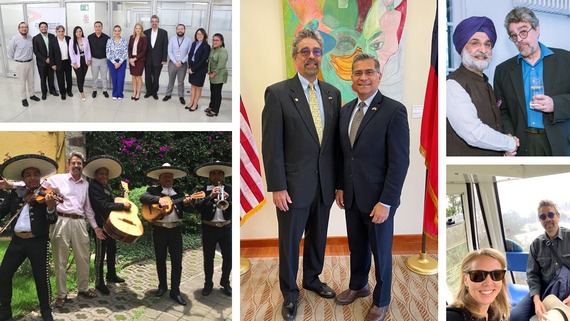 “In global offices such as OGPS, the skills and talents of our field people are vital in accomplishing our mission,” said FDA Associate Commissioner for Global Policy and Strategy Mark Abdoo. “Bruce has been a bright light in the numerous overseas roles he’s held, always performing with distinction and a knack for working with host country officials. He’s going to be missed.”
What does Ross have to say about the trajectory of his career? “Having worked in a variety of countries and affiliated with different agencies, I became steeped in their range of bureaucratic procedures. And I learned to work within them — often translating one to or for the other — and along the way became adept at integrating public health programming within a whole-of-governments approach, creating outcomes that met the countries’ needs,” noted Ross. “The operational background, policy experience, and in-depth exposure to implementation processes that I gained over the years always served to inform my leadership and gave me the understanding of how to best meet the challenges encountered in the many cultural settings across the globe. Although it was intense work at times, I’m grateful for the experiences and opportunities I’ve had in public service."
Ross holds a Master of Public Health from Boston University and a Master of Arts in international development from American University. He received his undergraduate degree in international relations (Asian studies) from San Francisco State University. He was also a professional chef, working in Chicago, San Francisco, and Los Angeles in gourmet French and Italian food establishments for over seven years. Married for 40 years, he and his wife have two grown children who joined international life beginning at ages 2 and 4, continuing through their high school graduations in Beijing and New Delhi, making them third-culture kids.
He notes “I began my federal career as a Presidential Management Intern at CDC in the Class of 1990 (on August 9, 1990) – the same anniversary, 34 years later, as my last office-day!”
Staff on the Move
INCOMING

Helen Chung
Helen Chung (formerly Saccone) rejoins OGPS — after a gap of nearly six years — as our Office of Global Operation’s new international relations specialist for medical products at HQ. She most recently served as a senior advisor within the agency's Center for Drug Evaluation and Research's (CDER) Office of Strategic Programs, where she has managed the strategic development and implementation of the center’s IT priorities. Helen joined the FDA in 2008 as a program management officer within CDER’s Office of Compliance, then served as the associate director of the Office of Global Regulatory Operations and Policy (a precursor to OGPS) from 2014 to 2018, where she was a member of the inaugural team that initiated the U.S.-EU Mutual Reliance Initiative in 2014. Prior to joining the FDA, she worked as a pharmacy inspector for the D.C. Department of Health and a senior manager of education at the American Pharmacists Association.
Helen obtained a Chief Product Officer Executive Certificate from Northwestern University’s Kellogg School of Management, a Master of Science in Executive Leadership from Champlain College, and a Doctor of Pharmacy from Rutgers University. She was commissioned into the U.S. Public Health Service in 2009.
Diogo Dominguez-Piedade
Diogo Dominguez-Piedade joined the FDA's Europe Office in Brussels as an international policy analyst. He brings eight years of experience in health care policy through his work within several European trade associations in both the pharmaceutical and medical technology sectors. Diogo has expertise in topics such as medicines shortages, pharmaceutical supply chain, and falsified and substandard medicinal products. He is knowledgeable about the European pharmaceutical and medical devices markets and is well acquainted with European decision making, legislative processes, and stakeholder management. Diogo holds a degree in pharmacy from the University of Lisbon.
Daniel Gorski
Daniel Gorski joined the FDA's Latin America Office as an investigator in Mexico City. He serves as the in-country subject matter expert for food inspections and outbreak response as well as providing training and outreach to foreign regulatory authorities. Daniel previously served as a produce specialist for the Office of Regulatory Affairs in Denver, Colorado. He has held the position of FDA investigator since 2009, focusing on food manufacturing practices, including leading numerous foreign inspections/outbreak investigations — and even developing policy in multiple program areas as an expert on the Food Safety and Modernization Act. During his 15+ years with the agency, he has conducted inspections and investigations at facilities involved in the development, manufacturing, and storage of every FDA-regulated food commodity, dietary supplements, infant formula, cosmetics, veterinary medicine, and human pharmaceuticals — as well as conducting inspections of importers under the Foreign Supplier Verification Program.
Alanna Mussawwir-Bias
Alanna Mussawwir-Bias joined the FDA's India Office as a consumer safety officer (CSO) focused on bioresearch monitoring (BIMO). She comes to OGPS from the Office of Regulatory Affairs (ORA) where she was a BIMO CSO on the dedicated foreign cadre. Since joining the agency in 2000, with ORA, she performed mission critical BIMO inspections of biopharmaceutical clinical and analytical research facilities, clinical investigators, sponsors, etc. Her international inspection workloads encompassed not only global distance but also technical breadth: Germany and review of real-world evidence, Romania and data reliability, Poland and new molecule entities, and India and data integrity.
Alanna previously served as a supervisory CSO in ORA’s Dallas District for 8 years, and she was the resident-in-charge for the Albuquerque Resident Post for 3 years. She started her career in the Detroit District Office. Alanna holds a bachelor’s degree in biology from The College of Wooster and a graduate degree in public health from Wayne State University.
INTERNAL CHANGES
- After a tour with the FDA China Office, Roy Stephens has transitioned to the India Office as a consumer safety officer for foods.
- After a tour with the FDA India Office, Dipesh Shah is now supporting the China Office in his role as a consumer safety officer for drugs.
|
|
|
Back to TOP
 OTGP Staff Discuss International Agreements and Arrangements at CDER SBIA Webinar
Staff from OGPS’ Office of Trade and Global Partnerships (OTGP) participated in the Center of Drug Evaluation and Research’s Small Business and Industry Assistance (SBIA) webinar, “An Introduction to FDA’s Office of Trade and Global Partnerships,” on July 23. Event speakers included OTGP Director Joseph Rieras, Senior Health Advisor Kristan Callahan, and International Policy Analysts Azada Hafiz, Eloisa Noriega, and Matt Scherer.
 “Our work involves strengthening partnerships and information-sharing to create efficiencies and bolster our regulatory oversight of medical product supply chains — as well as addressing issues that might create unnecessary barriers to trade or could have unintended consequences for our regulation of medical products,” said Rieras in his introduction. “I know that trade policy doesn’t necessarily come to mind when thinking about the FDA. But, in fact, there are two reasons why the FDA follows trade policy closely: to protect our regulations and authorities and to use trade initiatives as a vehicle to advance public health.”
In addition, OTGP is responsible for drafting the legal language in the FDA’s international arrangements with counterpart foreign government agencies and international organizations that foster international partnerships, Hafiz explained. These arrangements include cooperative arrangements (memoranda of understanding and similar documents) that describe the willingness and good faith intentions of the FDA and its counterparts to engage in cooperative activities — as well as confidentiality commitments that allow for the sharing of certain types of nonpublic information.
Audience questions were focused on the FDA’s role in strengthening global regulatory systems, the considerations made in determining the need for international agreements and arrangements, and how OTGP evaluates the potential impacts of the European Union polices on world trade. Callahan said that in this case, OTGP works with the FDA's Europe Office and with U.S. trade officials and trade partners – from the Office of the U.S. Trade Representative and from the Department of Commerce – to best understand a proposed statute or measure. Industry comments are always welcome and needed to keep the FDA informed of other challenges.
“We are always looking for ways to expand OTGP’s outreach and educate others on its diverse global efforts,” Callahan said. “I was having a discussion with SBIA on another topic and explained what OTGP does for the FDA — that conversation then turned into an invitation to participate in the webinar series. We jumped at the chance.”
FDA and EMA Update Their Parallel Scientific Advice Program for New Animal Drugs
On June 26, the U.S. Food and Drug Administration and the European Medicines Agency (EMA) announced updates to their Parallel Scientific Advice (PSA) program for new animal drug products.
Formed under the auspices of the confidentiality arrangement between the FDA and EMA, the 15-year-old program offers PSA procedures for sponsors of new animal drug products who intend to apply for authorization of their products in both regions. Under the voluntary program, sponsors can exchange views on scientific issues with both authorities simultaneously while in the development phase of their new animal drug product. The recent updates include more defined timelines, the addition of a meeting between the sponsor and both authorities, and preliminary written feedback to the sponsor. Such updates help streamline the development process.
 Parallel scientific advice procedures can provide sponsors with a deeper understanding of regulatory decisions, optimize product development, and avoid unnecessary testing replication or unnecessary diverse testing methodologies. The FDA encourages animal drug sponsors who are interested in developing new animal drug products for both the U.S. and European markets to engage the agencies and take advantage of this program.
Sponsors interested in participating in this program should send a single request with the subject “Request for PSA” to both agencies:
For more information about submitting a request, see the General Principles EMA-FDA Parallel Scientific Advice (Animal Drug Products) document. For each approved PSA request, the agencies will hold one trilateral meeting with the sponsor focused on the specific development issues raised.
FDA Drafts Guidance on Use of Real-World Data for Assessing Drug Safety Signals
On July 5, the FDA announced the availability of the draft guidance for industry “M14 General Principles on Plan, Design, and Analysis of Pharmacoepidemiological Studies That Utilize Real-World Data for Safety Assessment of Medicines.” Pharmacoepidemiology is the evaluation of the use, benefits, and risks of medical products and interventions in human populations, generated under real conditions of life. This latest guidance builds on the agency’s long experience with and existing guidance on the use of electronic health care datasets for safety studies. The guidance also intersects with the series of draft guidances addressing the biomedical industry’s expanding use of real-world data as the basis for building real-world evidence that shapes how industry approaches or drives their research.
The M14 draft guidance outlines general principles on planning, designing, and analyzing observational pharmacoepidemiological studies that utilize fit-for-purpose (that is, of the appropriate type needed to answer the question being researched) real-world data for safety assessment of drugs and biological products. It includes recommendations and high-level best practices for the conduct of these studies.
 Real-world data can be derived from electronic health records; medical claims and billing data; product and disease registries; and patient-generated data, including from mobile devices and wearables. Additionally, data gathered from other sources (e.g., genetic and other biomolecular phenotyping data collected in specific health systems) can also inform on health status.
Since safety signals can arise from a wide variety of data sources, pharmacoepidemiological studies are thus “a key component in the detection, characterization, and evaluation of safety concerns or signals and may be descriptive or inferential,” the guidance explains. As datasets continue to grow and become more linked, it enables the creation of increasingly detailed and broad pictures of patients and the frameworks that influence their health. This data, when taken as a whole, can provide an expanded epidemiological understanding of pharmacological outcomes to support the postmarketing evaluation of the safety of approved medicinal products.
The FDA’s draft guidance for industry, when finalized, is intended to streamline the development and regulatory assessment of postmarketing pharmacoepidemiological safety studies that use fit-for-purpose real-world data. Once it becomes final, it will help improve the ability of study protocols and/or results to be accepted across health authorities and to support decision making in response to study results.
The M14 draft guidance was prepared following the processes of the International Council for Harmonisation of Technical Requirements for Pharmaceuticals for Human Use (ICH). The ICH is a member-driven organization that promotes international regulatory harmonization through the consensus-driven development of guidelines. Technical experts from the FDA and other government regulatory and industry members work together to develop globally applicable guidelines focusing on safety, efficiency, quality, and standardization. As a Founding Regulatory Member of the ICH, the FDA plays a major role in the development of each of the ICH guidelines, which the FDA then adopts and issues as a guidance for industry.
Interested parties are invited to submit either electronic or written comments on the draft guidance by September 3, 2024. Submissions may be made through Regulations.gov for docket number FDA-2024-D-2754. The agency will consider each comment before it begins work on the final version of the guidance.
Pre-Harvest Ag Water Information Now Available in Spanish
The FDA has now provided Spanish-language versions of its documents and webpages outlining its final rule on pre-harvest agricultural water, known as the “Standards for the Growing, Harvesting, Packing, and Holding of Produce for Human Consumption Relating to Agricultural Water.” Issued in May, the rule amended the agricultural water provision (often referred to as the Ag Water Rule) of the Produce Safety Rule within the Food Safety Modernization Act (FSMA). It replaces the previous microbial quality criteria and testing requirements for pre-harvest agricultural water for covered produce (other than sprouts) with requirements for systems-based, pre-harvest agricultural water assessments for hazard identification and risk management decision-making purposes.
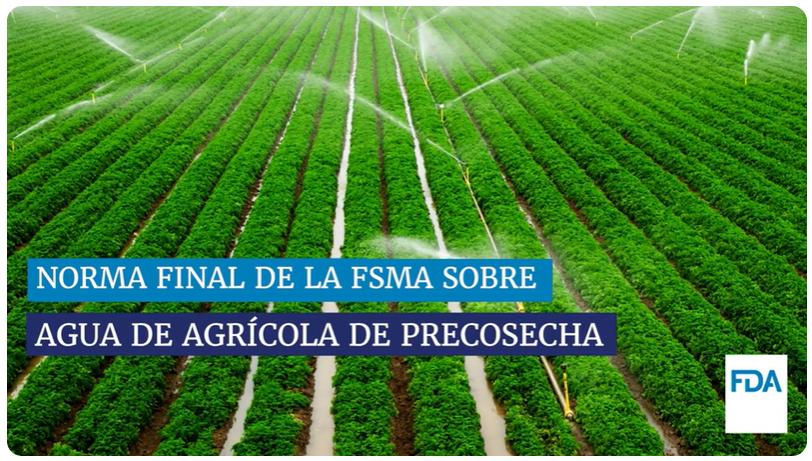 The newly-translated documents include:
- FSMA Final Rule on Pre-Harvest Agricultural Water, webpage [English] / Norma final de la FSMA sobre agua de uso agrícola en la precosecha [en español]
- Agricultural Water Assessment Fact Sheet, PDF [English] / Hoja informativa sobre la evaluación del agua agrícola [en español]
- Expanded Table on Factors for Agricultural Water Assessment to Consider, PDF [English / Factores a considerar en la evaluación del agua de uso agrícola [en español]
- Corrective and Mitigation Measures for Pre-Harvest Agricultural Water for Non-Sprout Covered Produce, PDF [English] / Medidas correctivas y de mitigación para el agua de uso agrícola en la precosecha para productos agrícolas frescos cubiertos por la norma, que no son semillas germinadas [en español]
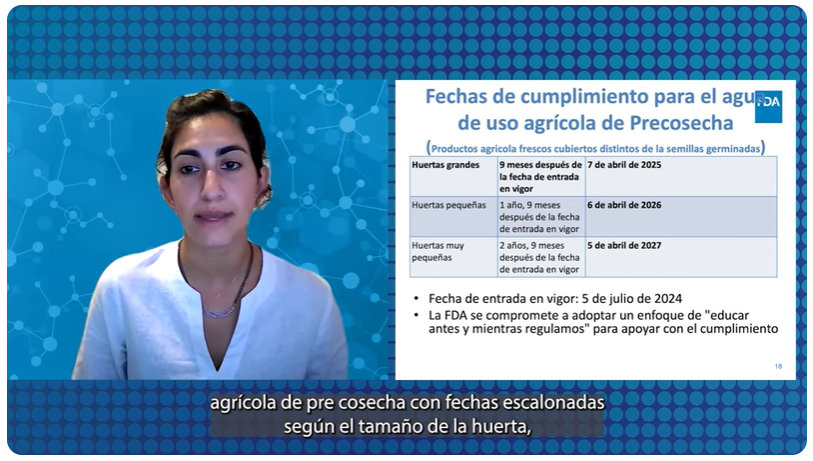 In addition, the FDA also conducted a webinar in Spanish that provided a description of the Ag Water Rule and answered questions from the public. A recording of this 42-minute presentation on water for pre-harvest agricultural use is available on YouTube: https://youtu.be/fyZC6cMS3iU
Previously published documents related to the Produce Safety Rule are available in Spanish, as are FSMA-related documents and videos.
India Implements New Requirements for Dairy Imports
The Food Safety and Standards Authority of India (FSSAI), which regulates the manufacture, storage, distribution, sale, and import of food articles has implemented new requirements for dairy products for human consumption imported into India.
The requirements, which go into effect on September 1, 2024, apply to dairy products for exports to India that are intended for use as (or in) food or nutraceuticals, including whey and lactose products, as described by FSSAI. Companies seeking to export those products to India need to be included on India’s list of approved establishments, defined as those that have registered in the FDA’s Industry System Export Listing Module (ELM) and been found by the FDA to comply with applicable U.S. requirements.
Any interested establishments should submit an Online Application for Export Lists via the FDA's ELM for inclusion on the initial list through August 23, 2024. Once the initial list is established, the FDA will update the list each quarter as noted on the Food Export Lists webpage. Requests to be listed on the ELM can be submitted at any time, and the FDA reviews ELM applications on a rolling basis.
In addition, the ELM lists will be updated every two years, so that those establishments that are currently listed will be notified about the need to update and resubmit their ELM application to verify their listing information and indicate if they wish to continue being listed on the ELM. Establishments that do not update and submit their ELM application will be removed.
For specific details including step-by-step instructions on how to apply in the ELM, visit Online Applications for Export Lists. Additional questions about the ELM may be emailed to the Export Certification Team at CFSANExportCertification@fda.hhs.gov.
FDA Preparing for September IMDRF Meeting
After a successful meeting of the International Medical Device Regulators Forum (IMDRF) in March, the FDA is getting ready for the forum’s 26th in-person IMDRF session, scheduled for September 16-20 in Seattle.
The IMDRF is a voluntary group of medical device regulators committed to advancing the harmonization of the world’s approach to the regulation of medical devices. It meets in person twice a year for a mix of both closed-door sessions for IMDRF members and public-facing sessions that publicize the importance of harmonization and provide an avenue for participation in the IMDRF’s working groups on a variety of harmonization issues.
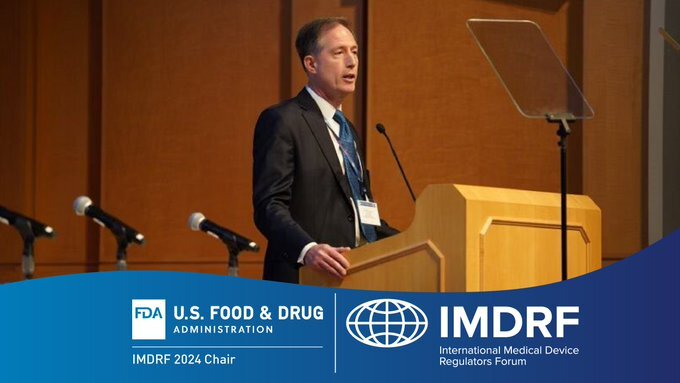 Dr. Jeff Shuren, now director emeritus of the FDA’s Center for Devices and Radiological Health (CDRH), is serving as chair of the IMDRF in 2024. Shuren, who announced in July his upcoming retirement for later this year, has been a catalyst for the modernization of medical device regulation and an innovator in every sense of the word — including conceiving and co-founding the IMDRF and the Medical Device Innovation Consortium, a public-private partnership facilitating collaboration within the medical device industry.
The IMDRF's first 2024 session, which the FDA hosted in Washington, D.C., in March, attracted a record turnout during the first two days of public meetings with 400 in-person attendees and 800 virtual attendees. Taken together, they represented more than 60 countries and 550 public and private sector organizations. The September waterfront site in the “Emerald City” of Seattle is sure to capture a vibrant attendance too, with many attractions within walking distance and a welcoming mild climate.
A Summer Triple Play for OGPS Blogs
European medicines, multilateral relations, and Ayurvedic products were the featured subjects of our occasional blog series, From A Global Perspective, over the last three months.
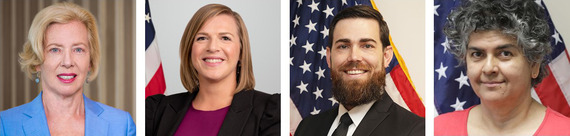
On July 10, we published World Health Assembly 2024: FDA’s Takeaways by FDA Deputy Commissioner Kimberlee Trzeciak. The Deputy Commissioner was the FDA’s representative to the annual meeting of the WHA, the decision-making body of the World Health Organization, and she recounted her what she saw and did at the meeting.
Finally, on August 6, we published FDA India Office Addresses Herbal and Ayurvedic Products by India Office Director Gregory Smith and Senior Technical Advisor Pankaja Panda. They discussed the FDA's views on the regulatory issues surrounding India's Ayurvedic and herbal exports, many of which are based on centuries-old traditional medicine.
|
|
World Food Safety Day (June 7)
On World Food Safety Day, FDA India Office Director (at the time of posting) Dr. Sarah McMullen explained the 2:2:2: rule to keep food safe during India's hot summer weather, in a video posted to the U.S. Embassy India’s X account.

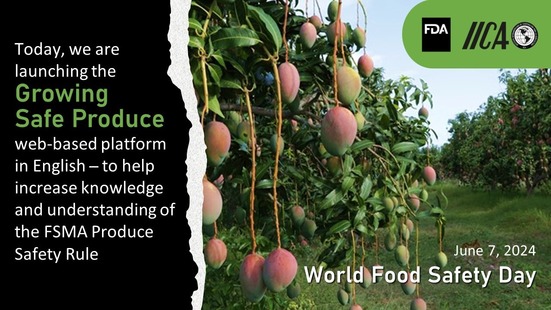
The Inter-American Institute for Cooperation on Agriculture (known as IICA) launched an English version of its Growing Safe Produce web-based platform for English-speaking Caribbean countries. Developed under an FDA Cooperative Agreement, it’s intended to improve knowledge of the FDA’s Produce Safety Rule. Produce growers can use this mobile app to access learning modules at their own pace and location.
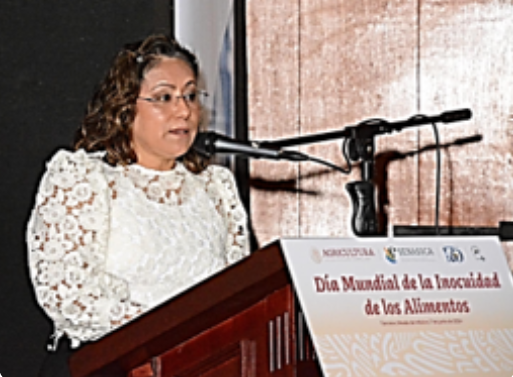
The Latin America Office’s Dr. Ana Sandoval joined Mexican food safety counterparts from the National Service of Agro-Alimentary Health, Safety and Quality (SENASICA) and the Federal Commission for Protection from Sanitary Risks (known as COFEPRIS) at the International World Food Safety Day forum. The event was hosted by SENASICA, and authorities highlighted the importance of preparing for the unexpected.
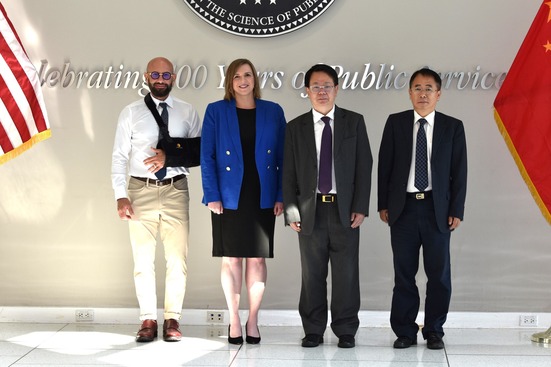
China Health Officials Visit FDA (June 18)
In their first senior level meeting at FDA HQ since 2017, China’s National Medical Products Administration (NMPA) led by Deputy Commissioner Zhao Junning met with FDA Deputy Commissioner Kimberlee Trzeciak and other FDA officials on June 18.
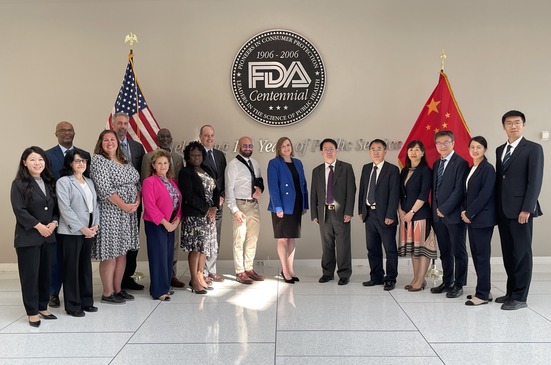 During the bilateral meeting, the FDA and NMPA discussed and reviewed the implementation of and progress under, the 2007 FDA-CFDA (now NMPA) China Agreement on the Safety of Drugs and Medical Devices, including their 2024 work plan.
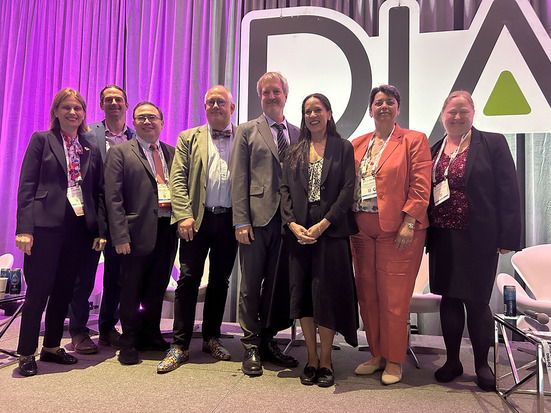
DIA Global with EMA-FDA (June 20)
The European Medicines Agency (EMA) and the FDA Liaison Program hosted an EMA-FDA Q&A session at DIA Global. This year’s topics focused on EMA-FDA collaborations in rare diseases, oncology, and advanced manufacturing.
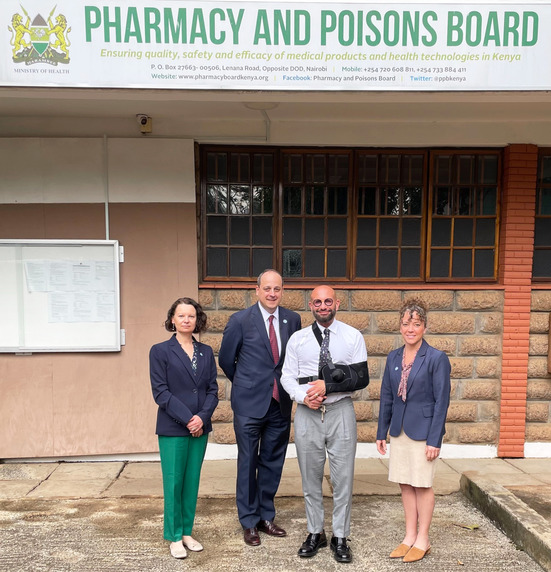
FDA Officials Visit Africa (June 20-28)
An OGPS delegation traveled to Nairobi, Kenya, and Kigali, Rwanda, in June. In Kenya they met with the Kenyan Ministry of Health and the FDA’s regulatory counterpart, Kenya’s Pharmacy and Poisons Board, participated in an industry roundtable, and visited the regional office of the World Health Organization.
 In Kigali, the delegation met with national regulatory agencies from across Africa, including the Rwanda Food and Drugs Authority (Rwanda FDA), and participated in a three-day “Global Health Regulatory Team Convening” meeting sponsored by the Bill & Melinda Gates Foundation. Below, U.S. FDA officials met with Rwanda FDA Director General Dr. Emile Bienvenu and staff.

FDA Latin America Office Hosted OFRR Training (July 12)
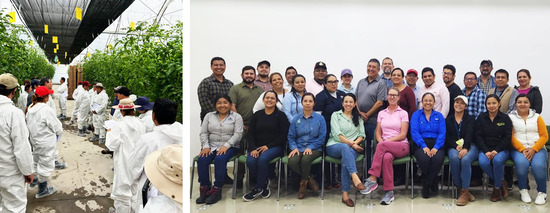
In Puebla, Mexico, the FDA’s Center for Food Safety and Applied Nutrition and the Produce Safety Alliance taught Mexican food safety technicians how to conduct On Farm Readiness Reviews so farmers can take steps to ensure compliance with the FDA’s Produce Safety Rule.
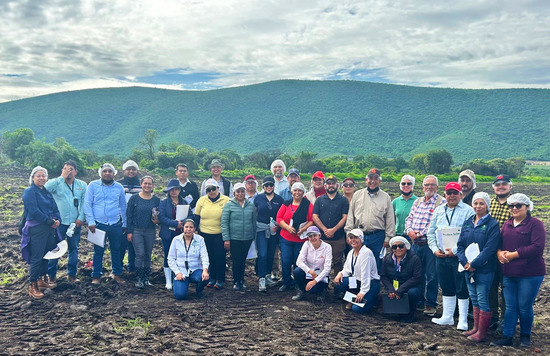 Participating in training were food safety experts from Mexican produce trade associations — for packers and exporters of mangos, berries, papayas, and avocados — plus the Mexican Association of Greenhouses, Agricultural Council of Baja California, and Benemérita Universidad Autónoma de Puebla.
FDA Visits Singapore for DIA and APEC Meetings & More (July 15-19)
FDA medical product experts from CBER (Michelle Limoli, Judy Arcidiacono), CDRH (Melissa Torres, Michelle Noonan, Davina Morena), and CDER (Sarah Venti, Leigh Verbois) traveled to Singapore to advance the work of the Asia Pacific Economic Cooperation (APEC) Regulatory Harmonization Steering Committee (RHSC). They discussed progress in priority work areas: multi-regional clinical trials and Good Clinical Practices inspections, pharmacovigilance, advanced therapies and biotechnological products, global supply chain integrity, Good Registration Management (Good Regulatory Practices and Good Submission Practices), and medical devices — plus heard updates from over 20 of the APEC RHSC Centers of Regulatory Training Excellence that provide training in the region and beyond.
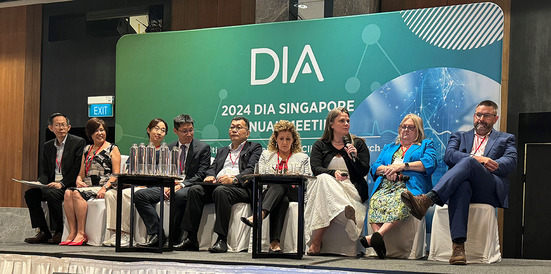
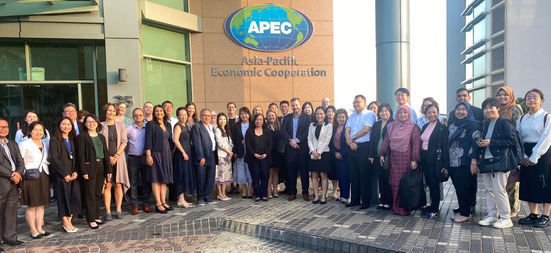 In advance of the APEC meeting, RHSC Chair Michelle Limoli, Leigh Verbois, and Judy Arcidiacono (respectively: fourth, third, and second from the right in the below photo) presented at DIA Singapore to highlight the important role that the APEC RHSC plays in regulatory convergence regionally.
FDA signs CC with Ukraine Ministry of Health (July 26)
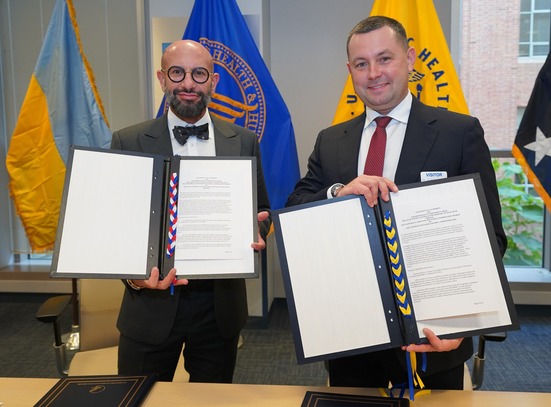
FDA Associate Commissioner Mark Abdoo signed a confidentiality commitment (CC) with the State Expert Center of the Ministry of Health of Ukraine, their national authority for pharmacovigilance and for the assessment of preclinical studies, clinical trials, and registration of medicinal products. The CC is “an important step in strengthening our relationship & collaboration,” Abdoo said. Signing for the State Expert Center was its director, Mykhaylo Babenko. Afterward, the delegation from Ukraine met with FDA experts to discuss medical product regulation, beginning with a general overview of the FDA, followed by such specific topics as oncology, clinical trials, and inspections.
|
|
|
Back to TOP
 Recent communications from OGPS to our international stakeholders (list does not include twice-weekly FDA Roundup summaries), June 13 through June 26.
|
|
|
Back to TOP

|
August 21-23
|
XI Meeting of the Pan American Network for Drug Regulatory Harmonization, Mexico City
|
|
September 16-20
|
International Medical Device Regulators Forum Fall Meeting, Seattle
|
|
September 17
|
World Patient Safety Day
|
|
September 18-20
|
Global Summit on Regulatory Science, Little Rock, Arkansas
|
|
October 14-18
|
International Conference of Drug Regulatory Authorities, New Delhi
|
|
October 16
|
World Food Day
|
|
November 3
|
One Health Day
|
|
|
Read thought-provoking pieces covering international topics in
From A Global Perspective. |
|
Please follow @FDA_Global. |
|
|
Subscribe to Global Update
Don't miss out on future issues of Global Update or other international news from OGPS. To sign up, click "Manage Subscriptions" in the below footer then follow the prompts and select the "International Programs" box.
|
|
|
|
|