| |
|
If your email program has trouble displaying this email or images, view as a webpage.
|
|
|
Back to TOP

Abdoo Speaks at APEC Supply Chain Meeting
Associate Commissioner for Global Policy and Strategy Mark Abdoo helped to kick off this year’s Asia-Pacific Economic Cooperation (APEC) Medical Product Supply Chain Dialogue on April 25.
The Office of Global Policy and Strategy “has a front-row seat to observe the many stressors buffeting the global pharmaceutical supply chain,” Abdoo said, since it manages the FDA’s foreign offices, functions as the point of contact for many of the FDA’s bilateral exchanges and global partnerships, and is at the forefront of the collection, analysis, and sharing of high-quality information.
During his brief remarks, Abdoo talked about what the FDA has been doing to address global supply chain disruptions as seen during COVID-19, and how OGPS not only embraces but actively helps to advance APEC’s Roadmap to Promote Global Medical Product Quality and Supply Chain Security. One of several ways it does so, he said, is by encouraging sufficient legal, regulatory, enforcement, and laboratory capacity at the regional, national, and global levels to help ensure integrity in the manufacturing and distribution of components and finished products in the legitimate supply chain.
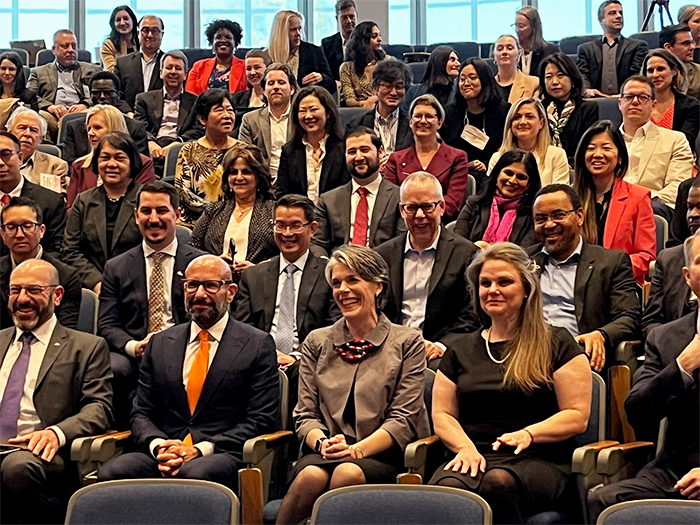
Front row from left to right: John Giannone, vice president, industry programs, U.S. Pharmacopeia; Mark Abdoo; Susan Winckler, CEO of the Reagan-Udall Foundation for the Food and Drug Administration; and Leigh Verbois.
Abdoo also talked about OGPS’ work with the African Medicines Agency, its efforts to encourage quality manufacturing in India, its collaboration with the Organisation of Economic Cooperation and Development to adopt a whole-of-governments approach to address the threat of illicit pharmaceutical trade, and its work with the Steering Committee of the World Health Organization’s Member State Mechanism for Substandard and Falsified Medical Products. One of the critical messages for the Mechanism, according to Abdoo, is that “there ought to be one quality standard — not one standard for the United States, Europe, and Japan, and another for India, and yet another for Africa.”
“Of course, we understand that assuring such standards requires continuous evolution and improvement from regulators, just as achieving it requires the same from industry,” he added.
The two-day dialogue was a hybrid format, co-sponsored by the FDA and the United States Pharmacopeia (USP), and took place at USP’s offices in Rockville, Maryland. Representatives from 35 government agencies, 45 economies, and 10 pharmaceutical and health industry associations participated.
“At FDA we do public-private partnerships to secure the supply chain,” said Leigh Verbois, director of the FDA’s Office of Drug Security, Integrity, and Response in the Center for Drug Evaluation and Research, and one of the event’s organizers. “This APEC meeting is the perfect example of how we’re working to secure the supply chain through public-private partnerships.”
Some of the topics addressed during the dialogue’s 10 panel discussions included:
- Identifying vulnerabilities in the upstream supply chain.
- Mitigating and managing risks in excipient quality.
- Manufacturing solutions to strengthening global supply chain resilience.
- Regulatory reform and investment to strengthen supply chain integrity for pandemic preparedness.
- Securing the downstream supply chain through good distribution practices, postmarket surveillance, and addressing internet pharmacies.
The meeting will eventually be uploaded in topical segments to YouTube.
Serrano Selected as New Director of FDA Europe Office
Katie Serrano will be moving this summer across the Atlantic from one leadership role in an FDA foreign office to another. Currently director of the Office of Global Policy and Strategy’s (OGPS) Latin America Office (LAO), Serrano was recently chosen to be director of OGPS’s Europe Office (EO).
She will replace Ritu Nalubola, who has been tapped to be deputy director of the Office of Policy, Legislation, and International Affairs (OPLIA), a “super office” within the FDA Commissioner’s Office. And it is within OPLIA that OGPS resides.
Over the course of Serrano’s six years at LAO, the office made inroads in encouraging regulatory harmonization and convergence in the region, including the adoption of a key medical device international standard involving manufacturing quality. The LAO also leveraged the management of two multimillion-dollar cooperative agreements between the FDA and the Interamerican Institute for Cooperation on Agriculture to support the FDA’s international implementation of the Food Safety Modernization Act and the Produce Safety Rule.
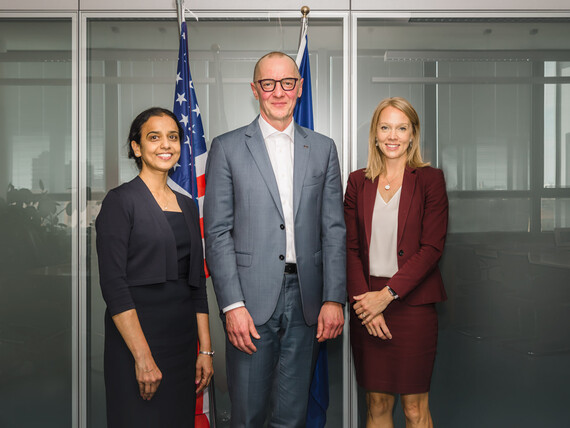
Left to right: Ritu Nalubola (director, FDA Europe Office), Bernhard Url (executive director, European Food Safety Agency), Katie Serrano (director, FDA Latin America Office).
In the wake of the 2018 presidential transition in Mexico, Serrano led engagements to facilitate the continued collaboration between the FDA and its two Mexican regulatory counterparts — the Federal Commission for the Protection against Sanitary Risks (COFEPRIS) and the National Service of Agro-Alimentary Health, Safety, and Quality (SENASICA). The resulting U.S.-Mexico Food Safety Partnership not only expanded the scope of their work beyond fresh produce to include the safety of all human food, but also focused on increased dialogue around emerging technologies such as Whole Genome Sequencing (WGS), and ensured that the partnership maintained an active work plan for engagement on priority food safety topics.
Finally, Serrano laid the foundation for a regulatory partnership between the FDA and the Ecuadorian Vice Ministry of Fisheries and Aquaculture to advance imported shrimp safety, as mandated by Congress in 2021. This partnership aims to leverage commodity-specific oversight systems along with data and information, to strengthen food safety before and at the port of entry.
Serrano began her career with the agency as part of the 2008 inaugural class of FDA Commissioner’s Fellows and went on to work as a scientific reviewer in the FDA’s Center for Devices and Radiological Health, eventually serving as the Diabetes Diagnostic Devices Branch Chief and later the Deputy Director of the Division of Chemistry and Toxicology Devices, before moving to OGPS.
Prior to working at the FDA, Serrano held positions as a regulatory affairs professional for Boston Scientific Corporation and a biomedical engineer at the National Institutes of Health. She received a Bachelor of Science degree in Biomedical Engineering and a Bachelor of Arts degree in Spanish, both from the University of Minnesota.
Serrano will begin her new role at the U.S. Mission to the EU in Brussels on July 31 when she will be joined by her family. But she made an early visit to the city in April to participate in transition meetings and briefings with the EO and U.S. Mission staff and with representatives from the Directorate General for Health and Food Safety – DG SANTE. While in Europe, she also traveled to Parma, Italy, to meet with leadership of the European Food Safety Authority, which is based there.
Sustainability on the Table: The International Year of Millets 2023
2023 was declared the International Year of Millets (IYM 2023) by the United Nations (UN) General Assembly at its 75th session in March 2021. The UN Food and Agriculture Organization (FAO) is the lead agency for celebrating the Year dedicated to this “superfood” crop, and their initiative contributes to the UN’s 2030 Agenda for Sustainable Development and its Sustainable Development Goals (SDGs) — the goals deemed by the UN as an urgent call to action through global partnership.
Millets — nutritious, small-seeded grasses of which there are many dozen varieties spanning several botanical subfamilies — are one of the oldest cultivated cereal crops in the world, dating back to Neolithic times, with many native to India and parts of Africa. Featuring prominently in traditional cuisines, millets are major food sources in arid and semiarid regions of the world, given their ability to grow, and indeed thrive, on relatively poor soils and under adverse conditions. The most common cultivated millets include finger millet (known as ragi in Hindi), proso millet (known as common or white millet), little millet, pearl millet, foxtail millet, and sorghum (known as great millet) varieties.
According to the UN’s Food and Agriculture Organization (FAO), millets can grow on arid lands with minimal water, fertilizer, or pesticides, and are resilient to changes in climate — making millets highly sustainable. They are also an ideal solution for resource- and climate-challenged countries to increase self-sufficiency and reduce reliance on imported cereal grains. The yearlong global celebration is an opportunity “to raise awareness of, and direct policy attention to the nutritional and health benefits of millets and their suitability for cultivation under adverse and changing climatic conditions.”
The FAO emphasizes the key benefits of millet agriculture:
- The sustainable cultivation of millets can support climate-resilient agriculture.
- Greater trade in millets can improve the diversity of the global food system.
- The sustainable production of millets can fight hunger and contribute to food security and nutrition.
- Millets can be an important part of a healthy diet.
- Greater consumption of millets can offer opportunity to smallholder farms and improve their livelihoods.
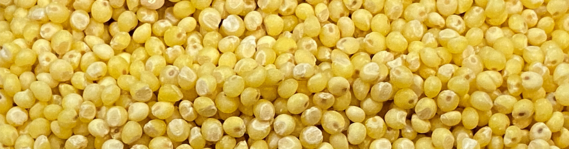
The country of India has wholeheartedly embraced promoting millets and the IYM 2023, and was even instrumental in catalyzing the UN’s declaration. That's no doubt in part to India being the largest producer of millets in the world — contributing over 40% of world production — or more than 12 million metric tons, according to data from India's Ministry of Agriculture and Farmers Welfare. Dr. Bharati Pravin Pawar, Union Minister of State for Health and Family Welfare, noted, “Millets can play a huge role in taking India towards food and nutritional security. Millets are extremely beneficial for the consumer, the farmer, and the climate. This initiative of the government will be helpful in increasing the global production of millets, as well as provide an opportunity to establish millets significantly in Indian cuisine.”
On March 18, Indian Prime Minister Shri Narendra Modi inaugurated the Global Millets Conference in New Delhi. Ministers of Agriculture from several countries as well delegates from embassies, multilateral agencies, academia, and industry participated in the two-day event. According to the Indian Press Information Bureau, the President of Ethiopia, Sahle-Work Zewde, applauded the event for giving policy attention to the need for increasing the cultivation of millets.
Earlier in the year, India’s Council of Scientific & Industrial Research, within the Ministry of Science & Technology, also held an event to launch the International Year of Millets. The chief guest at the event was Minister of State for Science and Technology Dr. Jitendra Singh. Additionally, India’s Central Food Technological Research Institute showcased a variety of products made from millets such as biscuits, porridge, bread, and snacks.
The United States is not a major market for Indian millet. India exported only about 3,000 metric tons to the United States in 2021-22. Nevertheless, the FDA’s India Office has been following both the UN and the Indian millet campaigns and has sent FDA India Office Senior Technical Advisor (for food) Dr. Pankaja Panda and Consumer Safety Officer Dr. Kunapuli Madhusudhan to scientific meetings to learn more about this grain. Topics of potential interest include the various nutritional aspects of millets, its growing popularity as a future-forward food source, and the benefits of good agricultural practices and safe food handling — subjects that might also interest Indian regulators.
US and EU Establish New Food Safety Technical Working Group
The U.S.-EU Food Safety Technical Working Group (FSTWG) held a hybrid in-person and virtual inaugural meeting in Washington, D.C., on March 29-30. The group was formed in 2022 to address scientific, technical, and policy issues between the European Union (EU) and the United States related to food safety and to foster closer working relationships among food safety regulatory authorities.
The U.S. Department of Agriculture's (USDA) Food Safety and Inspection Service (FSIS) and the Food and Drug Administration (FDA) are the working group’s two U.S. food safety agency participants while the EU is represented by the European Commission’s DG SANTE (DG Health and Food Safety). Relevant science and policy experts from various Member States' regulatory authorities are invited to participate depending on the topic under discussion.
The FSTWG came to be after the Transatlantic Trade and Investment Partnership (TTIP) trade negotiations between the United States and the European Union ended in 2018 without being finalized. Among the TTIP topics would have been trade in safe food and feed. Following years of working together during the negotiations, the FDA and DG SANTE recommitted to the mutual objective of re-establishing a technical working group of experts for an enhanced dialogue on important food safety issues, and meeting annually.

Discussions
At the FSTWG’s first meeting in March, the group discussed the EU’s residue monitoring requirements in food-producing animals and products of animal origin, the FDA’s pilot program using artificial intelligence to enhance screening of imported seafood, FSIS’s testing of raw ground beef, and the EU’s regulations regarding recycled plastic food packaging materials, pork product inspections, and microbiological criteria for swine slaughterhouses.
The EU Recycled Plastic Materials Regulation (2022/1616) is intended to ensure that recycled plastic can be safely used in food packaging. It includes measures related to exporters’ requirements and the responsibilities of competent authorities (CAs) in non-EU countries to ensure compliance with EU regulations. DG SANTE is expected to develop a guidance document for CAs to address questions from third countries.
Looking Ahead
Going forward, the FSTWG will provide a forum for FDA, FSIS, and EU subject matter experts to discuss each other’s food safety frameworks, specific requirements, and the science underlying both. The working group could help to facilitate a greater understanding of each other’s legislation, standards, and food safety requirements, allowing both sides to communicate concerns at an earlier stage of the regulatory process. A better understanding of each other’s scientific approaches to food safety can build confidence and help bridge differences in regulatory approaches.
The working group is scheduled to meet annually and both sides will follow up on next steps stemming from these discussions in the interim. Upcoming meetings of the FSTWG will provide an opportunity for U.S. food safety regulators to learn about the EU’s implementation of its Farm to Fork Strategy and its Veterinary Drug Regulation. Similarly, there is interest from DG SANTE and EU member states on the FDA’s Traceability Rule and on the implementation of the U.S. National Strategy on Hunger, Nutrition, and Health.
As scientific and technological advancements continue to transform food production systems globally, the working group is expected to provide a standing forum for experts to discuss technical issues that will help ensure food safety while supporting innovation.
Attendees
The FDA was represented (in person and virtually) by 18 subject matter experts from across the agency, including the Center for Food Safety and Applied Nutrition (CFSAN), the Europe Office (EO), the Center for Veterinary Medicine (CVM), and the Office of Regulatory Affairs (ORA). CFSAN leads included Julie Moss, Director of the Office of International Engagement (OIE), Katherine Meck, Director of Public Health and Trade Staff with OIE, and Jeffrey Read, International Policy Analyst with OIE; Alessandro Fiorelli, Policy Advisor, represented the FDA Europe Office, part of the agency’s Office of Global Policy and Strategy.
FSIS had six technical experts participating (in person and virtually), including International Coordination Executive Michelle Catlin and Program Analyst Jennifer Blake. The EU had eight science and policy officials attending in person, and 17 experts joining virtually from various Member States including Bulgaria, the Czech Republic, Denmark, Finland, France, Germany, Italy, Lithuania, the Netherlands, Poland, Portugal, Slovenia, Spain, and Sweden. EC executives who attended in Washington included DG SANTE’s Deputy Director Koen Van Dyck, Policy Officer Katerina Argiri, and Senior Expert Hans Joostens.
Nutrition Policies Discussed between FDA and European Commission
The continued rise of diet-related chronic diseases in the United States and Europe was a catalyst for FDA policy experts to meet in February with officials from the EU’s DG SANTE to exchange information on nutrition policies.
Discussions focused on the initiatives included in the 2022 White House National Strategy on Hunger, Nutrition, and Health, which provides a roadmap of actions the U.S. government will take toward ending hunger and reducing diet-related diseases by 2030. The National Strategy recognizes the need for a whole-of-government and whole-of-society approach — because the problems of hunger and diet-related disease are multifaceted, requiring multifaceted solutions. It is predicated on the understanding that healthy eating is influenced by access to nutritious, safe, and affordable foods, as well as consumers’ knowledge, attitudes, and cultural framework regarding food choices.
Both the FDA and DG SANTE discussed their latest initiatives and priorities in the areas of nutrition and healthy diet. Meeting topics included “healthy” labeling, front-of-pack (FOP) nutrition labeling, sodium reduction, and other initiatives that help reduce the burden of chronic diseases by promoting improved dietary patterns. For regulators, food labeling is a prime means to empower consumers with information that they can use to choose healthier foods.
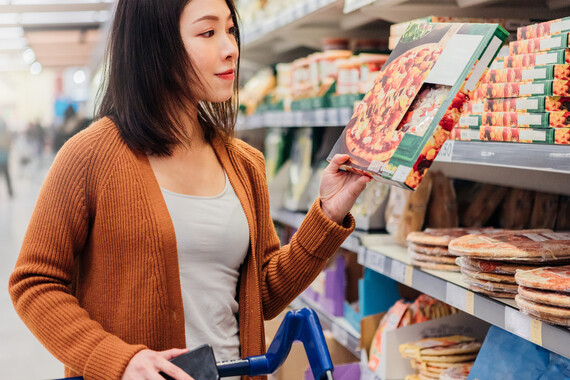
The National Strategy includes a call for an update to the definition of the “healthy” nutrient content claim, and development of a symbol to help grocery shoppers quickly identify such foods. The “healthy” definition is being updated to align with current nutrition science. Additionally, in March the FDA issued industry guidance on using Dietary Guidance Statements, to provide consistent wording on food labels to help consumers understand how a food or food group can contribute to a healthy eating pattern.
The use of FOP nutrition labeling systems to promote quick and equitable access to nutrition information for consumers to make healthier choices has been gaining traction globally. FOP priorities for the United States in part overlap with those in the EU, where member states already use their own FOP schemes. To address the variations in FOP schemes, the EU is working to develop harmonized mandatory FOP nutrition labeling for use across its member states. The call for such labeling within the EU is included in the Farm to Fork (F2F) Strategy published in 2020 by the European Commission.
The FDA has conducted preliminary focus group testing on FOP nutrition labeling to better understand consumer reactions to FOP schemes and help determine which types are most useful to consumers, especially those of lower nutrition literacy. It issued a procedural notice in January 2023 outlining its plans for conducting experimental research that would build the scientific evidence needed to inform any subsequent steps taken by the agency.
Encouraging sodium reduction continues to be a high priority for the FDA because excess sodium increases risk for hypertension and cardiovascular disease — the leading cause of death in the United States. The recommended daily limit for sodium for individuals 14 and older is 2,300 mg but average intakes can exceed this limit by up to an additional 2,000 mg. Ninety percent of the U.S. population exceeds daily recommended limits for sodium. Limits for sodium (as well as added sugars and saturated fat) are included in the proposed criteria for the updated “healthy” claim.
Most of the sodium in the American diet comes from that which has been added to processed and prepared foods and not what is added at the table or during cooking. That’s why listing sodium on the Nutrition Facts label is important, but still not enough. Thus in 2021 the agency issued voluntary short-term (2.5 year) targets to reduce sodium in processed and prepared food — an initial step in a stepwise, iterative, and multi-pronged approach to help gradually reduce sodium consumption to recommended limits.
To further encourage these changes in processed and prepared foods, the agency in 2020 issued guidance to allow regulatory discretion for the use of “potassium salt” as an alternate name for potassium chloride on food ingredient labels (to signal consumers that potassium chloride has been used as a substitute for sodium chloride). In addition, in April 2023 the FDA issued a proposed rule to permit use of safe and suitable salt substitutes in standardized foods for which salt is a required or optional ingredient.
FDA participants at the February meeting in Brussels included Susan Berndt, Rebecca Buckner, and Julie Moss from the FDA’s Center for Food Safety and Applied Nutrition, and two members of the Europe Office, Director Ritu Nalubola and Policy Advisor Alessandro Fiorelli. From the EU’s Nutrition Unit, there was Koen Van Dyck, head of DG SANTE’s Bilateral International Relations Unit, and colleagues Aikaterini Argiri, Ariane Vander Stappen, Marianne Takki, and Stephanie Bodenbach.
While in Brussels, the FDA delegation also met with FoodDrinkEurope (EU food manufacturers) and Specialized Nutrition Europe (infant formula manufacturers) to discuss recent initiatives on nutrition, including updates on infant formula programs and information on the transition plan for the exercise of the enforcement discretion.
|
|
|
Back to TOP

Good Aquaculture Practices “Training of Trainers” Focuses on Shrimp Farms in India
Over a third of the shrimp consumed in the United States are imported from India, and all of that shrimp is grown in ponds, making it important to ensure government officials, farmers, shrimp processors, and academia understand the principles of seafood safety on the farm. Toward that end, OGPS’ India Office seeks out opportunities to learn from industry and local regulators about regional aquaculture practices for farmed shrimp, and, on the flip side, to facilitate trainings on seafood safety regulations and best practices.
The FDA India Office co-hosted a “Training of Trainers” course on Good Aquaculture Practices (GAqP), along with the Center for Food Safety and Nutrition’s Division of Seafood Safety (CFSAN/DSS), the Department of Agriculture’s Animal and Plant Health Inspection Service (APHIS), the Joint Institute for Food Safety and Applied Nutrition (JIFSAN), and India’s Coastal Aquacultural Authority (CAA). The course took place from January 9-13, 2023, and was presented by JIFSAN, which is jointly administered by the FDA and the University of Maryland.
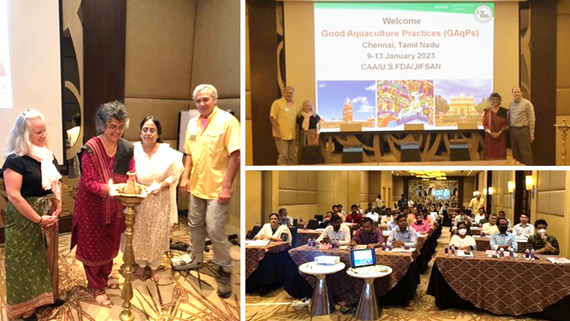
At left: Ceremonial lighting of the lamp of wisdom at the course inauguration with representatives from APHIS (Kathleen Hartman), FDA (Pankaja Panda), CAA (Member Secretary Madam Kripa), and JIFSAN (Brett Koonse). Upper right: Those same U.S. officials, plus Stan Serfling from CFSAN/DSS. Lower right: Students from central and state government offices and academia at the Good Aquaculture Practices Training.
Why the interest in promoting best practices for raising shrimp? Because growing practices significantly impact the safety and quality of aquacultured shrimp.
The course focuses on GAqP — the cautionary steps taken at the farm level to prevent potential food safety hazards, including contamination from chemicals, pesticides, and heavy metals, as well as exposure to bacterial and viral pathogens that affect shrimp or the humans who eat them. For farmed seafood, such as shrimp, there is also a risk their flesh may contain residues from antimicrobials or veterinary drugs used to prevent or treat disease in the shrimp. Such residues may contribute to antimicrobial resistance (known as AMR, an important global public health concern), or be a health hazard if they are carcinogenic or have the potential for serious allergic reactions. Thus, preventing diseases in shrimp before they happen — by following GAqP’s strategic approach toward food safety risks on the farm — minimizes the reason or temptation to misuse approved drugs or use unapproved drugs, which could result in residues.
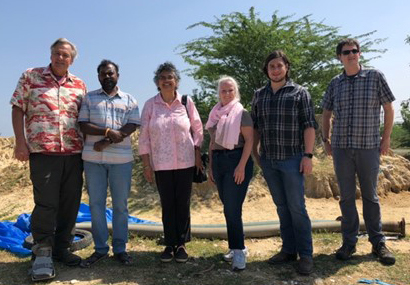 |
Left to right: Brett Koonse (JIFSAN); Farmer Devaraj; Pankaja Panda (FDA India Office); and Kathleen Hartman, Branden Nettles, and Joe Ragole (USDA/APHIS).
The FDA’s inspections (and jurisdiction) of aquacultured shrimp products center on the primary processor who is responsible for assuring control of food safety hazards on farms. So, trainings like GAqP help educate regulatory counterparts, academia, and most importantly, industry, in best management practices and hazard mitigation by farmers.
Facilitators of the January training event included: Dr. Pankaja Panda, senior technical advisor (food), FDA India Office; Stan Serfling, aquaculture policy specialist, CFSAN Division of Seafood Safety; Dr. Kathleen Hartman, senior staff veterinarian (Aquaculture Health), APHIS; and Brett Koonse, lead instructor, JIFSAN. They, along with two Indian farm and science experts, facilitated the training for 34 participants from CAA, academia, several other Government of India agencies related to seafood research/training, as well as state-level fisheries department staff from the coastal states of India. This Training of Trainers course is designed so the students can teach their own GAqP courses to farmers in their area.
Why Ponds? Because wild-caught shrimp imports from India are banned by the National Oceanic and Atmospheric Administration’s (NOAA) U.S. National Marine Fisheries Service (NMFS), which had found Indian shrimp vessels lacking turtle-exclusion devices — and thus out of compliance with the law set forth by the U.S. State Department in 1989 to protect sea turtles from becoming bycatch in shrimp trawling operations. However, discussions have been started between the two countries toward developing a mechanism that would allow the export of wild-caught shrimp once again to the United States. Both the Office of the U.S. Trade Representative and NOAA have been involved — including NOAA’s technical support on the development of a new turtle-excluder device, which is now ready for trials, according to the Press Trust of India.
No training event is complete without a visit to an aquaculture farm to see what challenges exist in real life. The students and facilitators visited a shrimp farm along the coast of Tamil Nadu. Coastal farms within 2 kilometers of the coast of India come under the jurisdiction of CAA; farms outside 2 kilometers of the coast fall under the Marine Products Export Development Authority’s jurisdiction. The tour allowed the students to make direct observations of the implementation of GAqP on the farm, and later have a group discussion to share their findings with fellow students and trainers to better understand, evaluate, and learn from what they saw.
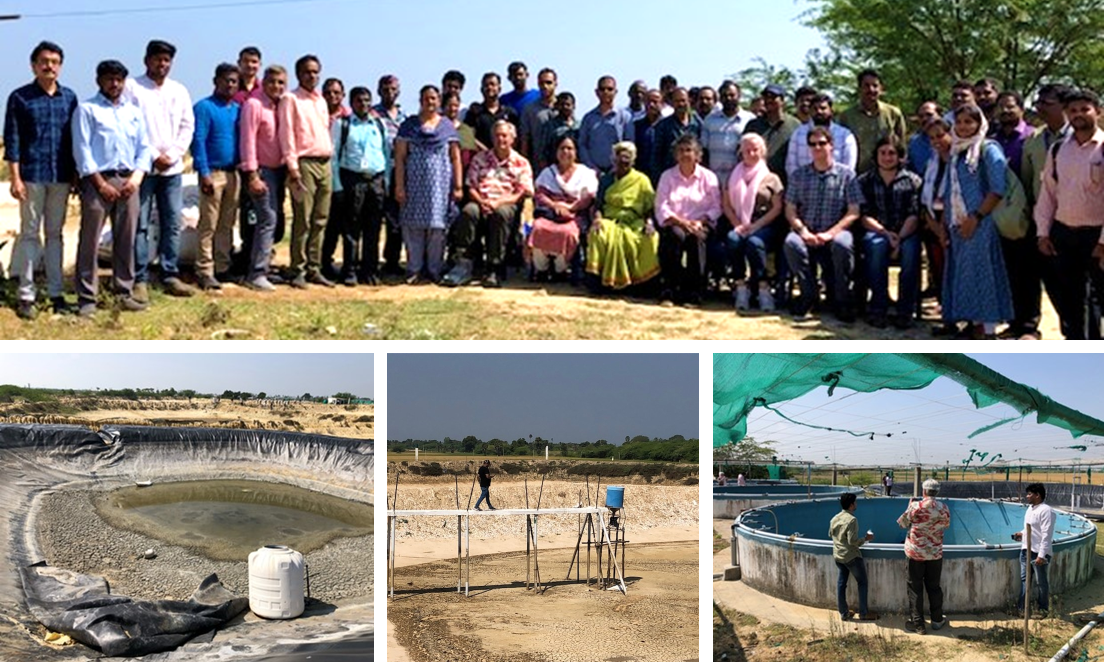
Top: Students and instructors visit a shrimp farm near Chennai, Tamil Nandu, India. The ponds were dry in preparation for upcoming operation; Dr. Panda reported that she could learn more because she could see things that were normally covered by water. Bottom row, left to right: reservoir for holding brackish water for treatment with chlorine; automated feeder for growing ponds; shrimp nursery for quarantining shrimp before introduction into the growing ponds.
FDA Provides Seafood Sanitation Training to Indian Regulators and Industry
Sanitation best practices for seafood processors was the focus of a foundational training course facilitated by the FDA India Office, the CFSAN Division of Seafood Safety, the Joint Institute for Food Safety and Applied Nutrition (JIFSAN), and several academic experts from U.S. universities. The course was offered twice in January in two cities, Chennai and Kochi, which are significant centers of India’s seafood trade. These training opportunities were co-hosted by India’s Export Inspection Council (EIC) and Marine Products Export Development Authority (MPEDA). The seafood sanitation course is part of the University of Maine Extension Program and presented by JIFSAN, which is jointly administered by the FDA and the University of Maryland.
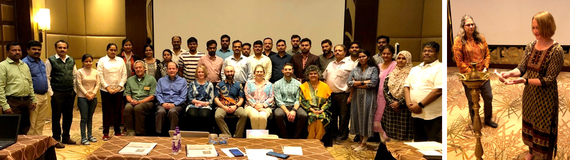
Left: Group photo at the Chennai Sanitation Training, including instructors and participants from EIC, MPEDA, and the Indian seafood industry. Right: India Office Director Dr. Sarah McMullen lighting the Lamp of Wisdom at the start of the training, accompanied by Dr. Christina DeWitt from the University of Oregon.
Students were taught about the eight basic areas of sanitation and how these are used at seafood processing facilities:
- Water: contact with food or food contact surfaces and for making ice.
- Food contact surfaces condition and cleanliness: utensils, gloves, and outer garments.
- Prevention of cross contamination from insanitary objects: food, food packaging, utensils, etc.
- Maintenance of hand-washing, hand-sanitizing, and toilet facilities.
- Protection of food, food packaging materials, and food contact surfaces from contamination with chemical, physical, or biological contaminants.
- Proper labeling, storage, and use of toxic chemicals.
- Control of employee health conditions.
- Exclusion of pests.
Sanitation practices prevent foods from being contaminated by microorganisms, toxic chemicals, physical contaminants, and allergens.
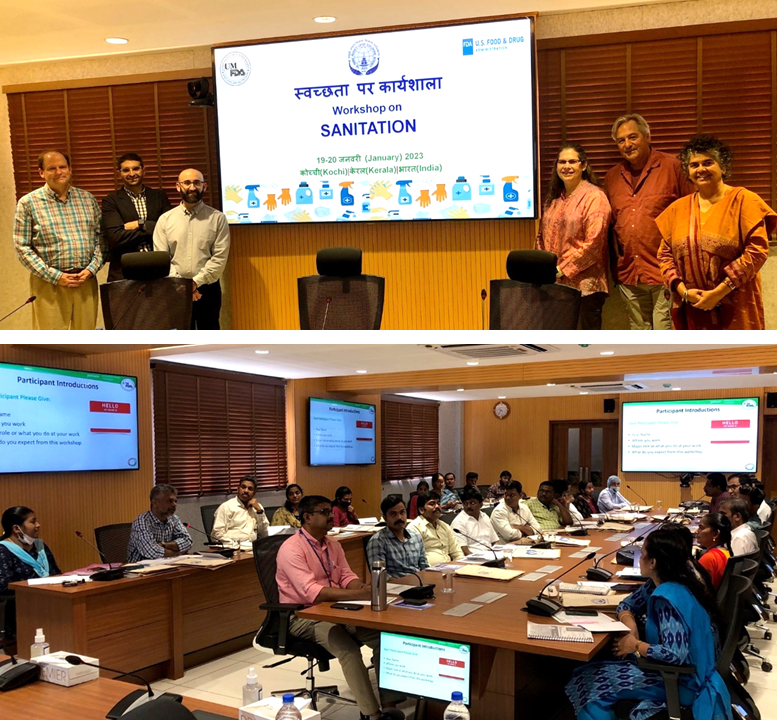
Top: Course facilitators at the inauguration of the Sanitation Training in Kochi. From the left — Stan Serfling, CFSAN DSS; Jason Bolton, University of Maine; Michael Ciaramella, Cornell University; Christina DeWitt, University of Oregon; Brett Koonse, JIFSAN; and Pankaja Panda, FDA India Office. Bottom: Participants from MPEDA and the Seafood Industry at the Kochi Sanitation Training.
The sequential online and in-person format was a new method of presenting the information. The online training (undertaken by the students prior to the meeting) introduced the sanitation concepts. The subsequent in-person training reviewed components of the online course and included a group exercise where students developed a sanitation plan for a theoretical seafood firm. Students who completed both trainings earned certificates.
To reinforce their learning — and for a literal “hands-on” experiment — the students participated in a fun activity at the very foundation of sanitation: hand-washing. For this exercise, four students rubbed their hands with a gel called “Glo Germ,” which emits a revealing glow when exposed to UV light. Next, two students only rinsed with water while the other two washed with water and soap for 20 seconds. Results under a UV light showed areas where hands had not been adequately cleaned (glowing blue) to remove the gel. For those participating, seeing the unexpected glow as a stand-in for contamination with bacteria and chemicals emphasized the value of thorough hand-washing with soap and water.
Across the two trainings, there were 62 course participants from the EIC, MPEDA, and the Indian seafood industry. The training was facilitated by Dr. Sarah McMullen, director, and Dr. Pankaja Panda, senior technical advisor for food (FDA India Office); Stan Serfling, aquaculture policy specialist (CFSAN Division of Seafood Safety); Dr. Christina DeWitt (University of Oregon); Dr. Jason Bolton (University of Maine); Dr. Michael Ciaramella (Cornell University); and Brett Koonse (lead instructor, JIFSAN).
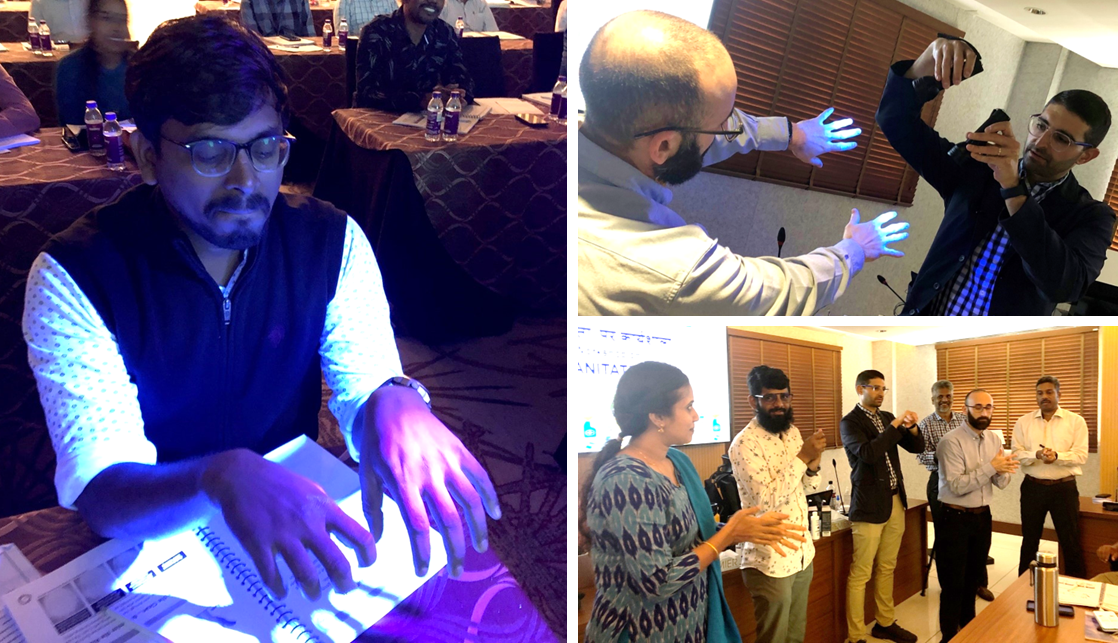
Attendees participating in the hand-washing exercise. At left, the purple light reveals adequately cleaned hands (washed with soap and water for 20 seconds). At the upper right, the light blue glow across the fingers indicates “contaminants” were left behind by poor hand-washing (no soap, just water).
FDA and Republic of Korea’s MFDS Sign Memorandum of Cooperation
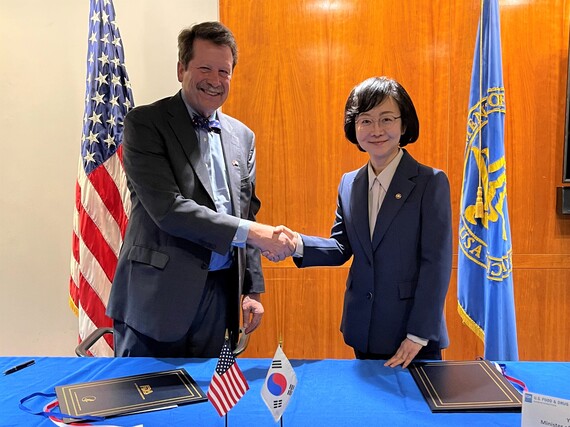
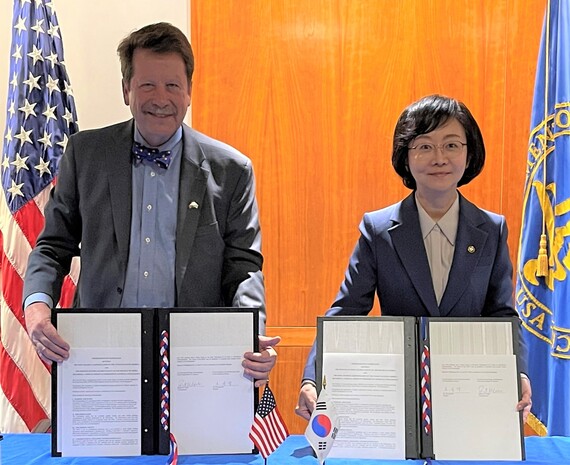
On April 28, the FDA signed its first medical product agreement with the Republic of Korea’s Ministry of Food and Drug Safety (MFDS). The Memorandum of Cooperation (MOC) is to facilitate a joint workshop on the use of artificial intelligence in medical product development and how regulators can help advance the use of these technologies to deliver safe and effective medical products.
The FDA and MFDS will jointly organize and convene the workshop and invite other global regulators to participate. The MOC signing took place at the Department of Health and Human Services Humphrey Building in Washington, D.C. FDA Commissioner Robert Califf signed the MOD on behalf of the FDA and MFDS Minister Yu-Kyoung Oh signed on behalf of MFDS.
The workshop was one of the items listed in a fact sheet that the White House issued on April 26 about the Republic of Korea (ROK) State Visit by ROK President Yoon. The fact sheet was issued to provide an overview of political understandings that were affirmed or reaffirmed during the State Visit, as well as plans for further cooperative activities between the United States and the ROK.
FDA Supports Development of IICA Supplemental Materials for Produce Safety Training
How best to educate growers and industry about FDA food safety rules so they can successfully import their fruits and vegetables to the United States? In today’s digital world, a heavy reliance on smartphones may well be the answer.
That’s what the Inter-American Institute for Cooperation in Agriculture (IICA) in Costa Rica is currently studying under a Cooperative Agreement (CoAg) with the FDA. The agreement empowers IICA to identify, research, and implement alternative methods and technologies to expand the reach of the Produce Safety Rule training across the global supply chain of the Americas. By doing so, IICA is helping to facilitate the implementation of the FDA's Food Safety Modernization Act requirements in Latin America.
As part of the agreement, IICA is developing and refining supplemental and alternative training materials, packaging them into new delivery methods, and testing and validating both the materials and delivery approaches through pilot projects.
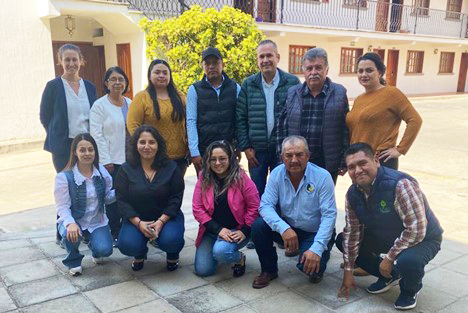
IICA and FDA representatives meet with growers to review the educational materials developed under IICA’s second cooperative agreement with the FDA.
One such example was a series of workshops that took place in February in Mexico’s Jalisco region — a major production point for avocados, berries, and other fruits and vegetables. This is the “working” phase of a controlled experiment led by IICA and the Joint Institute of Food Safety and Applied Nutrition (JIFSAN, which is jointly administered by the FDA and the University of Maryland) that is testing the efficacy of supplemental materials designed to support and complement Produce Safety Alliance (PSA) grower trainings. The FDA’s Latin America office works closely with IICA during the workshops and throughout the project to provide technical advice, coordinate with subject matter experts from headquarters, and consult with IICA on strategy.
In these workshops — the product of cooperation between IICA, the FDA, JIFSAN, and Mexico’s regulatory food authority responsible for fresh agricultural products, SENASICA (Servicio Nacional de Sanidad, Inocuidad y Calidad Agroalimentaria) — workers, owners, and supervisors are trained on how to access and navigate the newly designed supplemental materials. The idea is that participants can return to their homes and businesses and use the videos, checklists, memes, and reminders to reinforce their PSA training — all downloaded to their smartphones to take advantage of the widespread availability of mobile technology in the region. IICA collected baseline data on participants to measure their understanding of materials covered by PSA grower trainings and will collect endline data to measure any change in knowledge after participants have had time to use the supplemental materials.
This is the FDA’s second CoAg with IICA, a specialized agency for agriculture within the Inter-American system. The first CoAg, awarded in 2019, researched different strategies for developing an expert cadre of food safety stakeholders who could help with the substantial training requirements of the Food Safety Modernization Act.
IICA Deputy Director Lloyd Day and staff visited FDA Headquarters on April 17 to discuss the institute’s efforts and identify future areas of collaboration with a group of FDA officials led by Mark Abdoo, Associate Commissioner for Global Policy and Strategy. “FDA highly values our work with IICA,” Abdoo said. The multiplier effect by training trainers has netted impressive results that the FDA could not have achieved alone, he said — sentiments echoed by Don Prater, acting director of the FDA’s Office of Food Policy and Response, who was a virtual participant in the meet with IICA.
One measure of the multiplier effect: Some 365 people became trainers in the Produce Safety Rule and nearly 100 became lead trainers after taking courses in Mexico or Costa Rica, and these trainers in turn trained nearly 6,000 growers from Latin America and the Caribbean.
A likely future project for the FDA with IICA: the mobile application developed in the current CoAg will need to be updated to reflect regulatory changes and could be used for training on the food traceability rule, issued in November, and the rule involving agricultural water.
Food Safety Partnership Reports Progress at Joint Steering Committee Meeting between US & Mexican Authorities
The U.S. Food and Drug Administration (FDA) and its regulatory counterparts in Mexico held a Joint Steering Committee meeting of the Food Safety Partnership (FSP) on Friday, March 31.
The FSP was established in 2020 to protect public health through the prevention of foodborne diseases in human foods by using modern approaches and preventive practices based on technical and scientific evidence, health surveillance, and verification measures.
It was the latest in a long-standing partnership between the FDA, the Federal Commission for the Protection from Sanitary Risks (COFEPRIS), and the National Service of Agro-Alimentary Health, Safety, and Quality (SENASICA) as part of the ongoing effort to help ensure the safety of food imported from Mexico and to advance protections for consumers in both countries.
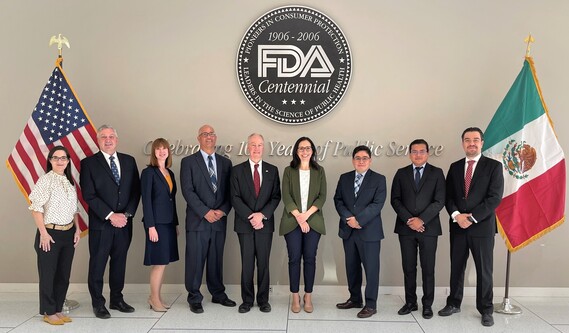
Ahead of the midyear meeting, SENASICA’s new Director-in-Chief, Francisco Javier Calderón Elizalde, led a Mexican delegation in a meeting with FDA officials at FDA’s White Oak HQ.
During the virtual meeting, the committee discussed food safety accomplishments achieved in the FSP’s four technical working groups, which include:
- The Strategic Priorities Work Group, which is establishing and implementing information exchange and communication mechanisms between agencies on strategic issues — such as potential risks to the health of consumers in both countries, which may be identified through outbreaks and other for-cause events, or during routine import and export processes.
- The Laboratory Collaboration Work Group, which is enhancing collaboration on laboratory activities, including sharing Mexico’s whole genome sequencing (WGS) data in the GenomeTrakr (the first distributed network of labs to utilize WGS for pathogen identification, consisting mainly of federal, state, and university labs located in the United States and internationally).
- The Outbreak Response Work Group, which is enhancing effective and timely response for the identification of outbreaks associated with human foods traded between both countries.
- The Food Safety Training Work Group, which is facilitating training on food safety issues and the development of training materials, to help improve compliance with applicable requirements and regulations.
The FDA maintains a webpage on the FSP that provides updates on the progress being made in the four working groups.
Ahead of the midyear meeting, SENASICA’s new Director-in-Chief, Francisco Javier Calderón Elizalde, led a Mexican delegation in a meeting with FDA officials at the FDA’s headquarters at White Oak, Maryland. In addition to the FSP, other topics discussed included the new structure of the FDA’s Unified Human Foods Program and the FDA’s and SENASICA’s food safety priorities for 2023.
FDA Hosts Regulatory Counterparts
Following a 3-year hiatus due to COVID-19 travel restrictions, FDA and OGPS senior leaders have begun hosting regulatory counterparts from across the world at the agency’s headquarters in White Oak, Maryland. Dignitaries from Denmark, South Korea, Mexico, and Nigeria have all visited the campus in the past few months to participate in high-level discussions on public health issues and consider potential future collaborations.
For more information, consult the International News section of the FDA’s International Programs News, Speeches, and Publications webpage on FDA.gov, where OGPS typically posts a brief readout of each meeting.
|
|
|
Back to TOP

Louati Looks Back at Over Six Years as LE Staff at the FDA Europe Office
Locally Employed (LE) Staff — foreign nationals and other locally resident citizens who are legally eligible to work in the country — provide unique services in support of foreign policy at more than 270 embassies and consulates worldwide. Claudia Louati, a pioneering LE Policy Advisor in the FDA Europe Office (located in Brussels at the U.S. Mission to the European Union), looked back at her time with the FDA as she was preparing to leave the position at the end of April.
Locally Employed Staff are still a curiosity, both within the FDA and outside the agency! The first question I usually get is “how did you hear about this position?” Usually, my answer is anticlimactic: I saw an ad on an EU job website, and I just applied.
“So, what do you do then?” That’s where the answer gets trickier. I follow EU medical product developments to identify what they mean for regulatory collaboration and alignment, I spend a lot of time on the FDA website to answer obscure questions from EU stakeholders, and I try — and fail — to convince my American colleagues that the EU system is not overly complicated and burdensome!
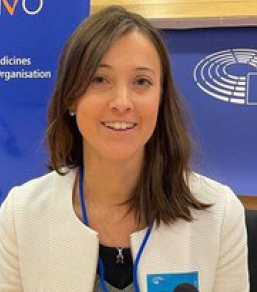
I also help connect the dots. One of the great things about the FDA Europe Office is how proactive we can be. Simply put, we scan the policy and regulatory landscape for emerging issues and pitch opportunities for early dialogue and exchange of information between regulators and subject matter experts on both sides. Building new partnerships is one of the aspects of the job I have enjoyed the most.
Working closely with the FDA’s Office of Criminal Investigations and six-plus international organizations to advance the fight against illicit health products, helping to get the international regulators’ digital health think tank off the ground, and watching from the inside as EU and U.S. regulators worked together to implement the Mutual Recognition Agreement for Good Manufacturing Practice inspections — despite the occasional setbacks and misunderstandings — will remain very special memories. So, when the last usual question comes, “But, as a French person living in Belgium, why are you working for the U.S. government?,” the answer is easy: I want to advance public health, and building bridges across the ocean can help.
After 6.5 years, it’s time for me to take on a new challenge, although I will miss the office and my wonderful FDA colleagues, both in Brussels and in the United States. It wasn’t always easy, of course. One of the most difficult things was to build trust with FDA colleagues from Brussels and carve out my portfolio at a time when the LE Policy Advisor positions were still quite new. Alessandro [Fiorelli] — who joined two weeks before me — and I each had a rather bumpy start. The office had just gone through a lot of transitions, and even getting access to our FDA email was an adventure! I had a vague idea of what the FDA was when I joined, but navigating the org chart and reaching an acceptable knowledge of the regulatory framework required extensive reading and on-the-job training.
It gradually became easier as our office and work gained visibility. The organizational transition from the old Office of International Programs to the Office of Global Policy and Strategy (OGPS) also brought a more inclusive culture for LE Staff and recognition from above of the value we bring to the FDA’s international engagement. I’ve been lucky to have incredibly supportive leaders and colleagues who made me feel part of the team, trusted me with new responsibilities, and always kept the job interesting.
I’ll leave the office at the end of April, but I won’t go far — my new workplace, the European Patients’ Forum, is a 10-minute walk away from the U.S. Mission. I look forward to continued opportunities to work with the FDA and contribute to transatlantic collaborations in my new role. I’ve been very proud to be a (small) part of the amazing work that the FDA does, and will continue to cheer for the Europe Office team, for OGPS, and for the FDA as I go back to the EU “bubble.”
|
Thor Describes Challenges, Successes in Inclusion of Pregnant and Breastfeeding Women
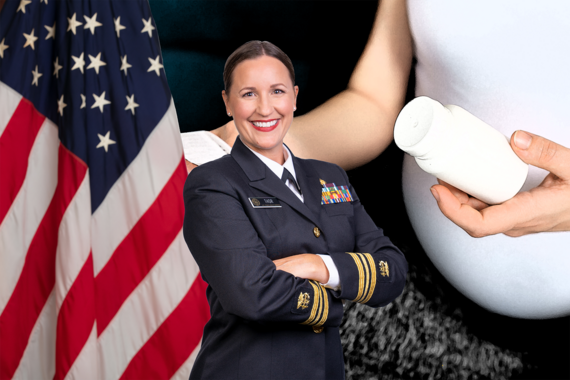
To cap Women’s History Month 2023, the Office of Global Policy and Strategy (OGPS) celebrated the continuing efforts of FDA Europe Office Deputy Director Lt. Cmdr. Shannon Thor, Pharm.D — along with her regulatory counterparts and colleagues within the FDA — to promote inclusion of pregnant and breastfeeding women in clinical research, a crucial yet underrepresented area of women’s health. Thor authored a “From a Global Perspective” blog in March titled The Global Need for Pregnant and Breastfeeding Women in Clinical Research — the Health of the Child Begins with the Health of the Mother. The piece addressed the fact that many pregnant and breastfeeding women are often placed in an impossible situation: having to make health care decisions in an information vacuum when considering the majority of medicines and vaccines.
“As a pharmacist, I am passionate about increasing access to evidence-based information on medicines and vaccines, which empowers patients in making health decisions,” said Thor in her introduction. “However, research on use of medicines and vaccines during pregnancy and breastfeeding has faced barriers and controversy for decades, leading to a persistent lack of data to support clinical decision-making in pregnant and breastfeeding women. This creates the risk of inadequate or inappropriate treatment — or even lack of treatment — any of which can result in significant health consequences for the mother or child.”
In a related presentation Thor gave at the end of March, she explained the myriad factors that contribute to the scarcity of data, including the temporary nature of pregnancy. She also expressed optimism in her presentation over the “momentum” gained in this research area as she and her colleagues contribute to a continually expanding knowledge base for U.S. and European scientists and regulators, while strengthening expertise on the rational use of medicines and vaccines for pregnant and breastfeeding women.
|
|
|
Back to TOP

Recent communications from OGPS to our international stakeholders (list does not include twice-weekly FDA Roundup summaries), January 27 through April 18, 2023.
|
|
|
Back to TOP

|
May 17-18
|
FDLI Annual Meeting, Abdoo speaks on Global Supply Chain Resilience, Washington D.C.
|
|
May 21-30
|
World Health Assembly, Geneva
|
|
June 7
|
World Food Safety Day
|
|
June 16-19
|
DIA China 2023, Suzhou
|
|
June 25-29
|
DIA 2023 Global Annual Meeting, Boston
|
| |
|
|
|
|
Read thought-provoking pieces covering international topics in
From A Global Perspective.
|
|
|
Please follow @FDA_Global.
|
|
|
Subscribe to Global Update
Don't miss out on future issues of Global Update or other international news from OGPS. To sign up, click "Manage Subscriptions" in the below footer then follow the prompts and select the "International Programs" box.
|
|
|
|
|