EPA Research Updates
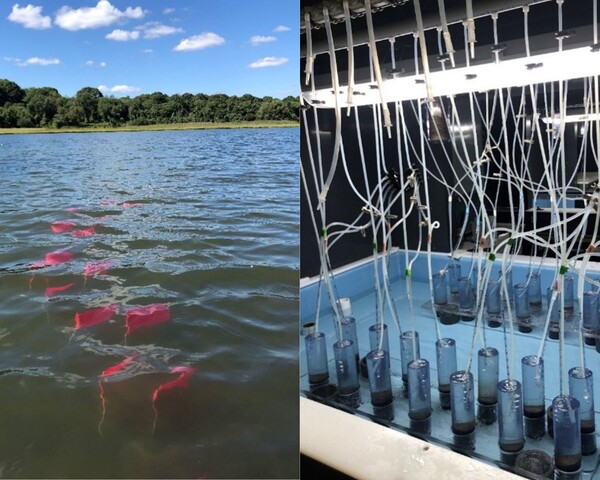
To better understand biodiversity in estuaries and other marine habitats, EPA scientists are using “metabarcoding” to identify organisms without having to resort to microscopes. Using metabarcoding, scientists can identify organisms based on the genetic sequences they find in any given environmental sample. This technique allows researchers to learn more about microscopic communities that play major roles in marine food webs but have been difficult to study in the past.
With wildfires growing in size and frequency, it is increasingly important to gain a better understanding of the effects of particulate matter on public health. While air pollution has mostly been associated with negative effects on lung and heart health, there are gaps in knowledge on how it affects brain health. EPA researchers are now using game apps to broaden our knowledge of brain function in the presence of wildfire smoke.
Preventing food waste at home can help fight climate change and save money for U.S. families. EPA announced nearly $1.5 million in research grant funding to two universities to develop, apply, and test innovative and creative community-engaged approaches to reduce household food waste in the United States.
Meet Our Researchers
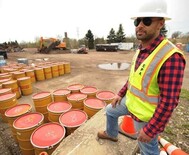
Meet EPA Researcher Daniel Burgo
Daniel Burgo is the Region 1 Superfund and Technology Liaison (STL) for EPA’s Office of Research and Development. Dan brings incredible energy, ingenuity and a wealth of technical knowledge and experience to advance the Region’s working relationship with ORD’s Technical Support Centers. Read more about his work.
|
Events
Science Matters is produced by the U.S. Environmental Protection Agency, Office of Research and Development. All content is copyright free and can be reprinted without permission.
Questions or comments? Send us an email.
EPA Research | EPA Science Matters
|