EPA Research Updates
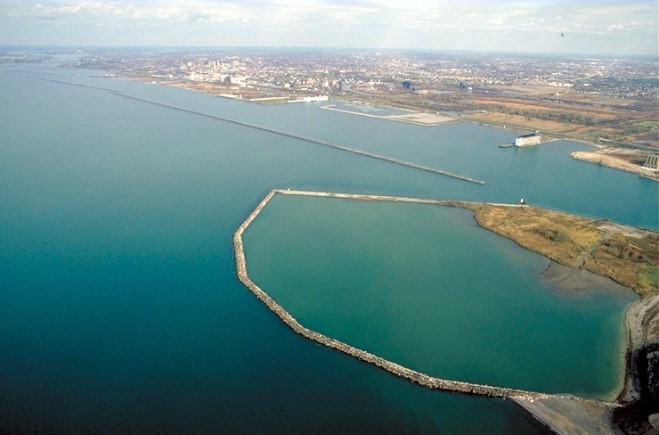
Across the United States, federal navigation channels and harbors are maintained through dredging, or removing sediment from the bottom. This process excavates about four million cubic yards of sediment a year, which then needs somewhere to go. EPA researchers developed a tool that helps state and federal agencies and port authorities make decisions for managing this dredged material.
Climate change and ongoing nutrient pollution may cause more frequent and intense cyanobacterial blooms. However, there is limited historical monitoring data that can show the rate and severity of the potential increase. To address this issue, EPA scientists collaborated with U.S. Army Corps of Engineers to compile and analyze over 30 years of monitoring data from 20 U.S. reservoirs located in Indiana, Kentucky, and Ohio.
Freshwater is essential for life and industry. To help U.S. communities understand national and local water quality issues, EPA scientists and partners developed Freshwater Explorer. Learn how this tool collects and provides water quality data.
Last year, EPA held a virtual workshop with public health professionals to discuss environmental health priorities within their fields. Conversations during the workshop led to a greater understanding of how environmental health concerns are intensified during public health crises, such as the COVID-19 pandemic. EPA recently released a summary report from the workshop.
Research suggests that exposures to pollutants and non-chemical stressors during early lifestages, including before birth, may be crucial determinants of lifetime health. Learn about our new research centers that are investigating these important issues.
Meet Our Researchers

Meet EPA Researcher S. Ryan Fulgham, Ph.D.
EPA researcher Dr. Ryan Fulgham focuses on measuring the biosphere-atmosphere exchange of reactive nitrogen and sub-micron particulate matter at Duke Forest in North Carolina. Learn more about his work.
|
Events
Science Matters is produced by the U.S. Environmental Protection Agency, Office of Research and Development. All content is copyright free and can be reprinted without permission.
Questions or comments? Send us an email.
EPA Research | EPA Science Matters
|