EPA Research Updates
EPA has recently improved two online resources for accessing the science produced by EPA scientists and engineers. The resources are the Science Inventory, a searchable database of more than 80,000 EPA reports, publications, and presentations, and the Science Models and Research Tools (SMaRT) Search inventory of tools that includes ORD science products.
October is Children's Health month. One way EPA supports children's health is through extramural research funding. Check out our solicitation to support a Center for Early Lifestage Vulnerabilities to Environmental Stressors. Apply now through November 12. Learn more about EPA's children's health research.
EPA awarded $594,424 in funding for eight student teams from colleges and universities across the country through EPA’s P3 grant program. The eight teams received Phase II funding to develop their proposed solutions to pressing environmental problems including determining trace levels of lead in drinking water, controlling harmful algal blooms, and removing Per- and polyfluoroalkyl substances (PFAS) from wastewater effluent for reuse in agriculture.
Meet Our Researchers
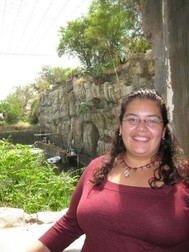
Meet EPA Physical Scientist Andrea Clements, Ph.D.
Dr. Andrea Clements is a physical scientist interested in characterizing ambient air quality. Her current research involves evaluating affordable air sensors and providing guidance for their use by a range of groups including community and individual users. Learn more about her work.
|
Events
Science Matters is produced by the U.S. Environmental Protection Agency, Office of Research and Development. All content is copyright free and can be reprinted without permission.
Questions or comments? Send us an email.
EPA Research | EPA Science Matters
|