EPA Research Updates
EPA researchers are adapting an existing salivary antibody test for waterborne pathogens to test for antibodies to SARS-CoV-2, the virus that causes COVID-19. The salivary antibody test would be less invasive than typical serum-based antibody tests and has the potential to enable low-cost population monitoring. Researchers are recruiting participants who are age 18 or older to participate in the study.
New fine-scale environmental and ecosystem services data are available for LA, DC, and St. Louis through EPA’s EnviroAtlas. EnviroAtlas is an interactive and free web-based tool that combines maps, analysis tools, fact sheets, and downloadable data to help inform state and local policy and planning decisions. EPA is working with the three new communities to share how they can incorporate the data into their work.
Sustainable materials management is a systemic approach to using and reusing materials more productively over their entire life cycles. EPA researchers developed a family of models to help government agencies, businesses, and other groups make choices that support sustainable materials management in the most cost-effective way. EPA is partnering with the state of Georgia to create a version of the model specifically tailored for use by towns, counties, and communities within the state.
EPA awarded $6 million in research funding to improve air quality models. The nine institutions receiving funding will conduct research to improve the component of models that represent how chemicals react in the atmosphere (known as “chemical mechanisms”).
The CompTox Chemicals Dashboard now includes data for 7,000 new chemicals and additional chemical lists. The Dashboard is a one-stop-shop for chemistry, toxicity and exposure information for approximately 900,000 chemicals.
EPA's free annual drinking water workshop will be virtual this year. The workshop will provide in-depth information and training on solutions and strategies for handling small drinking water system challenges with a focus on monitoring, distribution, source, and treatment topics. Learn more and register here.
Meet Our Researchers
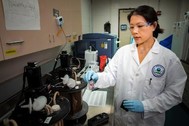
EPA microbiologist Helen Buse helps improve drinking water quality by studying environmental bacteria that grows in water systems. Learn more about her work.
|
Events
Science Matters is produced by the U.S. Environmental Protection Agency, Office of Research and Development. All content is copyright free and can be reprinted without permission.
Questions or comments? Send us an email.
EPA Research | EPA Science Matters
|