EPA Research Updates
Where and how we spend our time plays a major role in the types of chemicals we’re exposed to each day. To better understand these exposures, EPA researchers have created a method that models human behaviors using artificial intelligence. This data is necessary to assess a chemical’s potential risk to human health.
Wildfire smoke, even from a fire almost one hundred miles away, can affect the lives of those near and far from the fire. EPA cardiologist and lab director Wayne Cascio shares his experience teaching people in Sacramento and San Francisco to use EPA's Smoke Sense app during the Camp Fire in California.
Bisphenol A (BPA) is an industrial chemical that has been used to make certain plastics and resins since the 1960s. New research by EPA scientists shows that BPA and its most commonly-used alternatives disrupt microbial community structure in zebrafish. These dynamic communities of bacteria, viruses, fungi, archaea, and protozoa colonize the skin and gut of a host animal (including humans) and play important roles in health and disease.
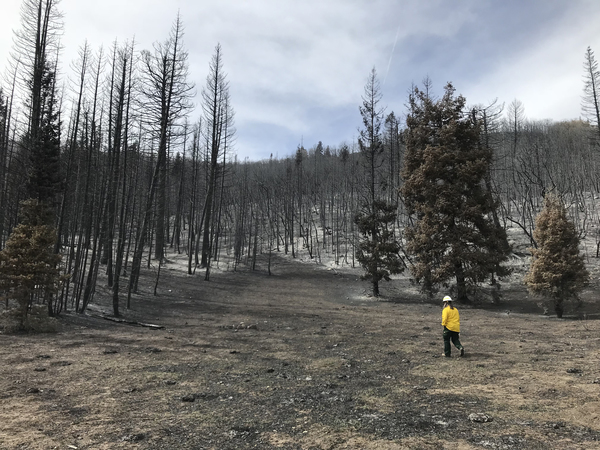
Wildfire smoke poses a threat to public health and safety. EPA researcher Gayle Hagler served as an Air Resource Advisor for Utah’s Pole Creek and Bald Mountain fires as part of the U.S. Forest Service’s Wildland Fire Air Quality Response Program. Hagler created a daily “Smoke Outlook” to communicate information to the public about the fire conditions, meteorology, and predicted fine particulate matter levels in areas downwind of the wildfires.
Meet Our Researchers

John Cowden works in EPA’s National Center for Computational Toxicology. He works with different EPA scientists, lab directors, and research program directors to coordinate research projects. Learn more about his work.
|
Events
Science Matters is produced by the U.S. Environmental Protection Agency, Office of Research and Development. All content is copyright free and can be reprinted without permission.
Questions or comments? Send us an email.
EPA Research | EPA Science Matters
You can view or update your subscriptions or e-mail address at any time on your Subscriber Preferences Page. All you will need is your e-mail address. If you have any questions or problems e-mail subscriberhelp.govdelivery.com for assistance.
This service is provided to you at no charge by U.S. Environmental Protection Agency.
|