EPA Research Updates
One of the most important things we can do to protect our children’s future is make sure they grow up in a healthy environment. Join us in celebrating Children’s Health Month, and read about initiatives across EPA to protect children’s health.
Improving the health of children across every community is the singular focus of the NIEHS/EPA Children’s Centers. Through this partnership, teams of researchers investigate the links between the environment and children’s health to reduce risks and prevent disease. Learn about the impacts of the partnership over the last 18 years, including 46 grants totaling more than $300 million to 24 Centers through a highly competitive application process.
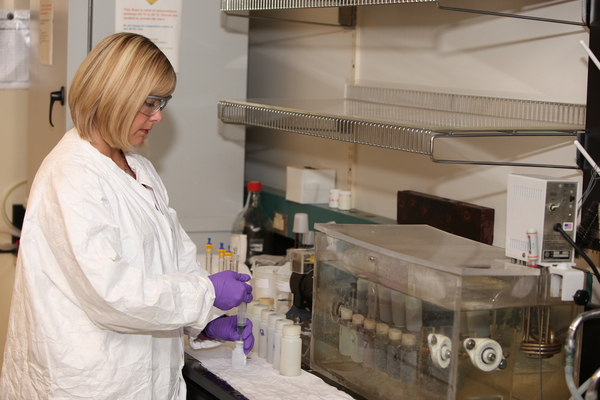
Certain forms of arsenic and lead are not bioavailable, meaning they are not fully absorbed by the human body. EPA has developed a new testing method to quickly and inexpensively estimate the bioavailability of lead and arsenic in contaminated soil. The method, based on a “virtual stomach” that mimics human digestion, can save millions of dollars in clean-up costs by helping identify which soil needs to be removed from a contaminated site.
Wildfire smoke can be a public health burden for communities across the United States. Last year, EPA researchers developed the Smoke Sense app, a mobile application that lets users learn about wildland fires and smoke health risks in their area and report health symptoms they experience. EPA’s Dr. Ana Rappold, the project’s lead scientist, explains what the team learned from last year’s pilot phase of the project and what they’ve changed for 2018.
How do you evaluate the potential effects of tens of thousands of substances that currently exist in our environment? EPA research toxicologist Gary Ankley was honored last week in Washington, DC, as a 2018 Career Achievement finalist for three decades of work to establish techniques and standards to identify dangerous chemicals and prevent them from contaminating America’s lakes and waterways.
October is also National Pet Wellness Month. EPA is working with partners to protect the health of people and their pets through research, technology, and the National Pet Health Survey.
Meet Our Researchers

Jason Bernagros likes that his science makes a difference on a local level by helping communities use green infrastructure to reduce stormwater runoff. Learn more about his work.
|
Events
Science Matters is produced by the U.S. Environmental Protection Agency, Office of Research and Development. All content is copyright free and can be reprinted without permission.
Questions or comments? Send us an email.
EPA Research | EPA Science Matters
You can view or update your subscriptions or e-mail address at any time on your Subscriber Preferences Page. All you will need is your e-mail address. If you have any questions or problems e-mail subscriberhelp.govdelivery.com for assistance.
This service is provided to you at no charge by U.S. Environmental Protection Agency.
|